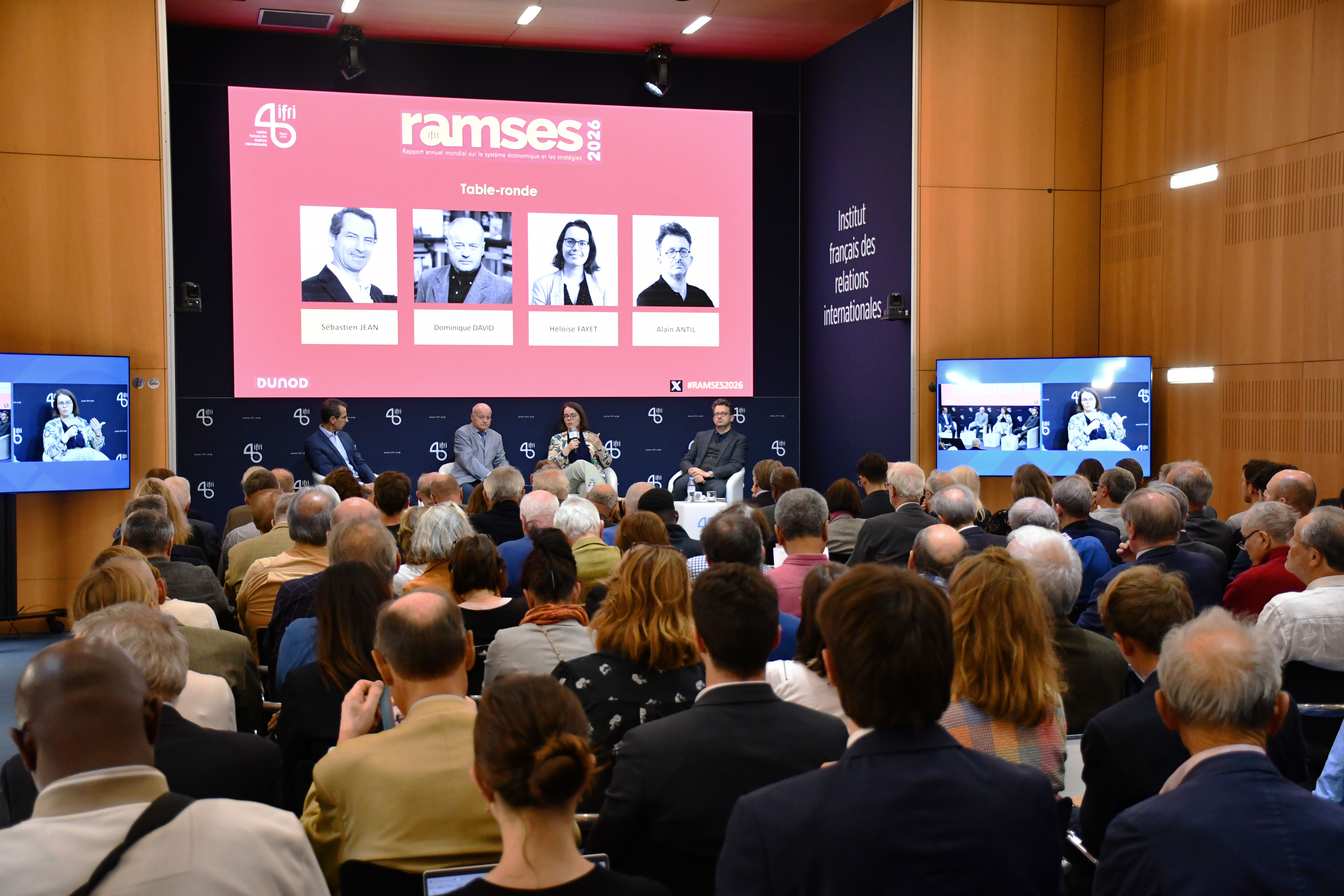
Societies
The existence of an international civil society is the subject of theoretical debate. But beyond these debates, the study of societies remains essential to understanding how the world works.

The Future of Urban Warfare in the Age of Megacities
Urbanization is a relentless trend, and as cities grow and expand, armed conflict and violence are urbanizing as well.
Imagined Geographies of Central and Eastern Europe: The Concept of Intermarium
Like the proverbial cat, some concepts have several lives. Or, like the mythological phoenix, they can be reborn from the ashes. This is certainly the case of the Intermarium, a geopolitical concept that envisaged an alliance of countries reaching from the Baltic Sea over the Black Sea to the Aegean Sea that would serve as a third power bloc between Germany and Russia.
Beyond Putin: Russia’s Generations Y and Z
Of Russia’s 146 million citizens (if we include those in Crimea), 63 million—or 43 percent—are under 34 years of age. Of these, 30 million belong to Generation Y (millennials in their 20s and early 30s), 15 million belong to Gen Z (teenagers), and a further 18 million are part of the youngest generation (less than 10 years of age).
How will Middle America vote in 2020? (Lara Putnam)
An interview with Lara Putnam, Professor and Chair, History Department, University of Pittsburgh.

The Niger-Libya Border: Securing It without Stabilising It?
Often described as an “ungoverned area”, the Niger-Libya border is nevertheless at the centre of major economic, political and security challenges. Both the Libyan authorities and the Nigerien state are struggling to establish tight control over this particularly isolated area.
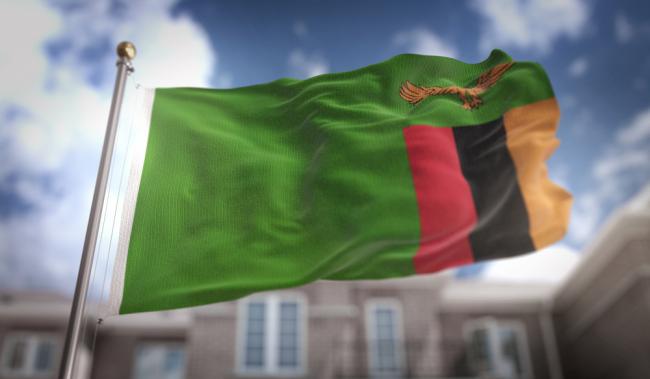
Corruption, Ethnicity and Violence as a Triple Political Strategy. The Changing Face of Politics in Zambia
Recently, Zambian politics have been changing in a pretty checkered manner. The threat of corruption, political violence and ethnic-politics has been growing since the ruling Patriotic Front Party (PF) assumed power in 2011.

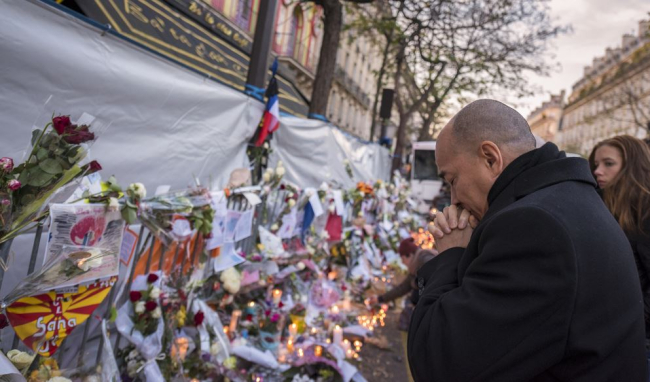
Jihadist Prisoners: The Fear of Recidivism
On July 16, Djamel Beghal is expected to be released from the Rennes-Vezin prison in the west of France. Beghal is a well-known figure in the European jihadist sphere. Born in Algeria in 1965, he settled in France in 1987. Ten years later, he moved to the United Kingdom with his French wife and their children. In November 2000, the family left for Afghanistan, a country then governed by the Taliban.
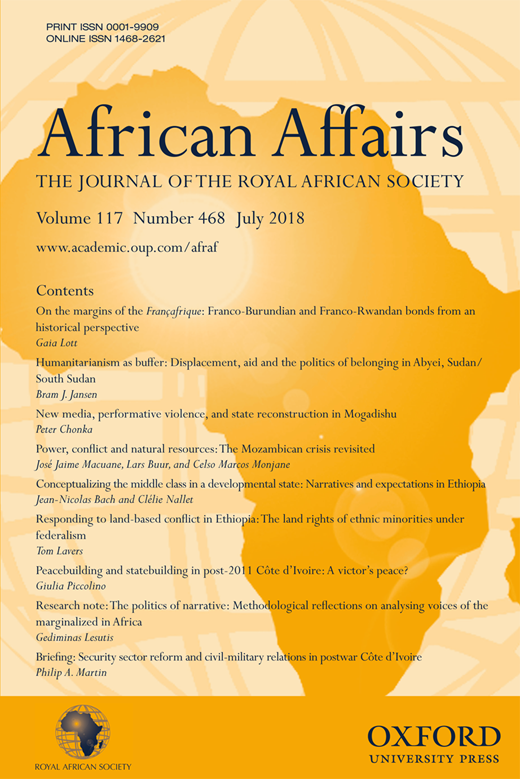
Conceptualizing the middle class in a developmental state: Narratives and expectations in Ethiopia
The category ‘middle class’ was used increasingly throughout the 2010s to identify social changes occurring in African countries, including Ethiopia. However, the category itself is hard to define and has been employed to describe very diverse socio-economic dynamics.
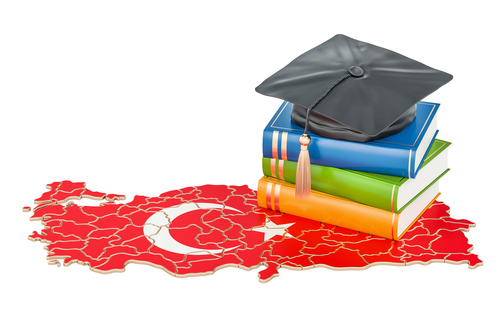
Turkey end French studies in response to call for Koran reform
Turkey has decided to suspend the opening of several French studies departments in its universities, in a context of bilateral tensions after the publication of a "manifesto against new anti-Semitism" last month, calling for the correction of some parts of the Quran. Dorothée Schmid, head of the Contemporary Turkey program at Ifri, analyses the reasons behind this decision and its implications for the two countries.

New Consumption Spaces for the New Middle Classes? Shopping Centres in Abidjan
Since 2011 and the end of the post-election crisis, Côte d’Ivoire has returned to impressive economic growth. The country and its capital are drawing attention from a growing number of investors, and the “Abidjanian middle classes” are widely publicised and sought after.
General El-Sisi’s Egypt: Reaction and Revolutionary Aspirations
The Egyptian presidential election of spring 2018 will, in all likelihood, result in Abdel Fattah El-Sisi maintaining power, given the tight control over the opposition.
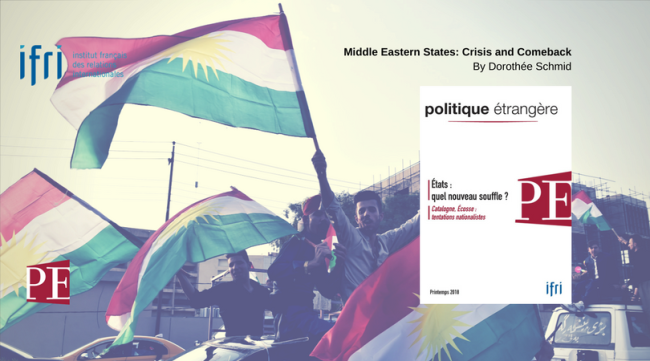
Middle Eastern States: Crisis and Comeback
The Arab Spring has shaken dysfunctional states that were built upon the recurrent use of violence.


As fighting rages, can Russia forge a peace in Syria?
Nearly two and a half years after the Russian military began an intensive bombing campaign in Syria in support of Syrian President Bashar al-Assad, Russia is struggling to engineer a political solution in the war-ravaged country, analysts say.
A Second Wind for States?
With globalization weakening their borders and their sovereignty, are states now marginalized on the global stage?
Russia's election interference has undermined American democracy
In January 2017, U.S. intelligence agencies confirmed that Russia had indeed attempted to interfere with the 2016 U.S. election campaign. This effort took two forms: on the one hand, beginning in the Summer of 2016, the hacking and publication of the Democratic National Committee (DNC) emails, in order to hurt the Democratic candidacy; and on the other hand, an aggressive communication campaign aimed at disrupting the electoral process in favor of Donald Trump.
Iraq after Daesh
Going beyond the numerous claims of rupture, is Trump overturning the international order and the place occupied in it by the United States?
Diplomacy as Diaspora Management: The Case of India and the Gulf States
In today’s world, diaspora management and diplomacy have become increasingly enmeshed, reflecting the growing interconnections between domestic and international issues.
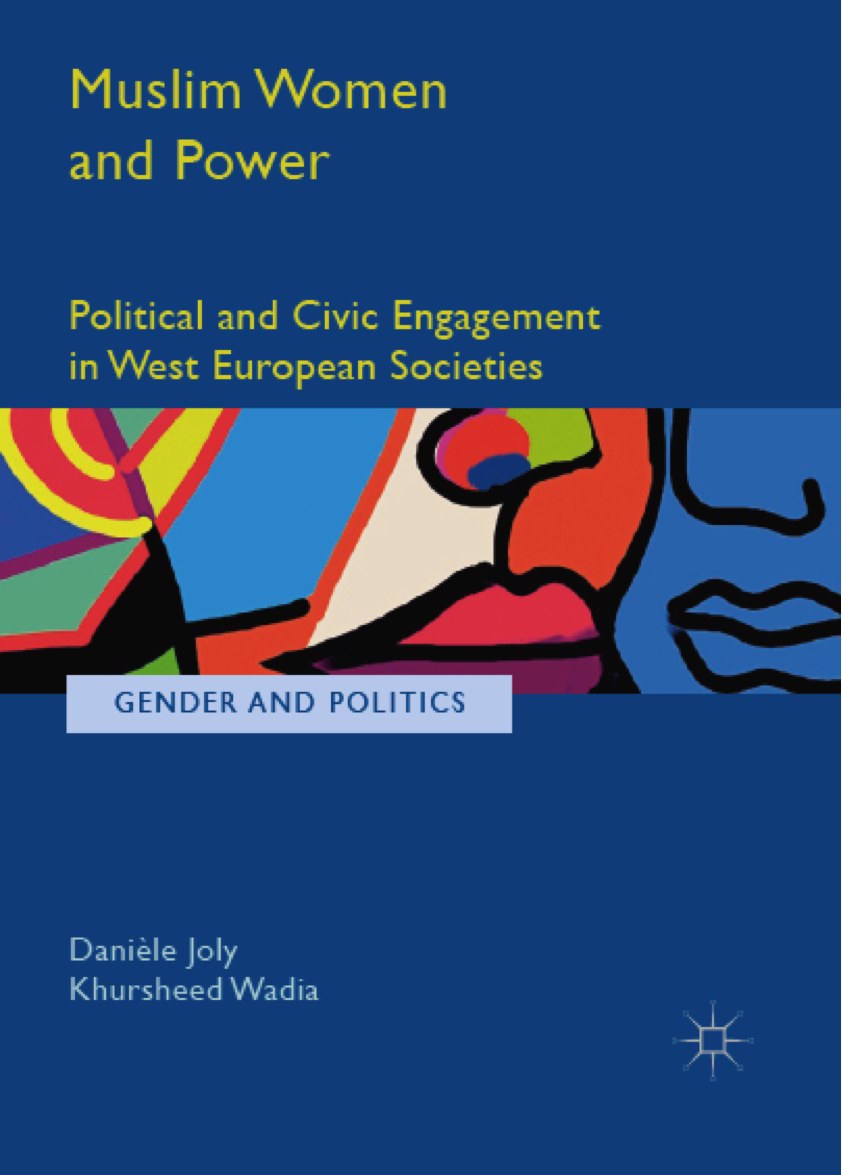
Muslim Women and Power: Political and Civic Engagement in West European Societies
This book explores Muslim women’s political and civic engagement in Britain and France.

RAMSES 2018. Will the Information War Take Place?
RAMSES 2018. Will the Information War Take Place?, written by Ifri's research team and external experts, offers an in-depth and up-to-date analysis of global geopolitics.

Hashtag and Political Resistance Movements in Southern Africa
What is the political significance of Southern Africa’s “hashtag movements”, socio-political campaigns using social media to disseminate information and to mobilise concerned and previously quiet segments of the public?
The Sahel: A Crossroads between Criminality and Terrorism
Besides the ongoing political conundrum in Mali, it is the entire West African region, from Guinea Bissau to Mali, which is under threat of destabilization. Indeed, for many years now, terrorists and drugs traffickers have been synergizing their respective illegal activities, transforming the Sahel into a narcoterrorist zone. As a result, the Sahel has become a dangerous crossroads for drugs, crime, terrorism and insurgency.
Germany and the Arab Spring
Much of the analyses of German reactions to the Arab Spring uprisings have focused on Germany’s contentious decision relating to Libya. By siding with the critics of military intervention in abstaining from UNSC 1973, Germany vexed its allies and arguably displayed an astonishing lack of geostrategic foresight and moral rectitude.
Religion and Politics in Egypt Today: Ideological Trends and Future Prospects
The dynamics of Muslim-Copt relations and how they are managed by the Church and the State are part and parcel of Egypt’s transition post-Mubarak because they underlie the discussions concerning Egypt’s future as a civil State. The treatment of Copts and other religious communities under a new government will be a key indicator of the maturity of Egypt’s democratic transition.
Is Omar Sy an Uncle Tom? Race relations in America and France as seen through "Les Intouchables"
The Intouchables tells the story of a young Senegalese immigrant named Driss, who has been hired to be the caretaker of Philippe, a rich tetraplegic. The feel-good comedy has been a smashing success in France and across the world, grossing over $350m worldwide. While reviews of the film both in France and abroad have been mostly positive, there is a contingent of American critics that thinks that The Intouchables highlights racial stereotypes.
The Arab Revolts and Southeast Asia: What Impact and What Influence?
Southeast Asia experienced its own political upheavals well before the Arab revolts. Nevertheless, the wave of popular uprisings that shook the Middle-East and North Africa region goes far beyond the region’s boundaries, and Southeast Asia is no exception to the global crisis of confidence towards governments.
The Religious Diplomacy of the Russian Federation
The Russian Federation is shaping its religious diplomacy (i.e., in brief, the use of the religious factor in foreign policy) and exercises it with a growing efficiency. This is, to a certain degree, a consequence of processes taking place in Russia, namely, first and foremost, the solving of the crisis of identity and values, and, closely connected with this, the renaissance of religion in Russian political and social life.
Turkey's re-imagined neighborhood policy after the Arab Spring
Joshua W. Walker was a speaker at the international conference on “The international consequences of the Arab Spring” held at Ifri on March 13th, 2012. This paper is a follow up on his oral intervention.
South Africa and the Arab Spring: opportunities to match diplomacy goals and strategies
This paper highlights how the Arab Spring magnified a two-dimensional gap in South Africa’s foreign policy. First that South Africa does not have a vision which reconciles demands for achieving the goals of protecting human rights, sovereignty, and multilateralism; second, that its strategies do not meet set goals. The paper then provides tentative explanations to this gap. It ends by elaborating what in the “African Awakening” and in the midst of the Arab Spring are opportunities for South Africa to overcome this gap.
A Victorious Anti-insurrection Strategy? The Insurrections of 2010 in the Jonglei State of South Sudan
On May 16 2010, a few weeks after its first elections, the government of the semi-autonomous province of South Sudan (GoSS) had to confront two rebellions in the Jonglei Province. South Sudan may appear unified behind the banner of the SPLM/A, but in fact it is nothing of the kind.
Racial integration - Lessons from the U.S. Army
On Friday, the 13th of January, 2012, the Center for Migrations and Citizenship welcomed 3-star U.S. Army General Bostick as a speaker of its international conference: "Business and the State: Migration Policies, Diversity and Integration".
Ifri, a foundation recognized as being of public utility, relies largely on private donors – companies and individuals – to guarantee its sustainability and intellectual independence. Through their funding, donors help maintain the Institute's position among the world's leading think tanks. By benefiting from an internationally recognized network and expertise, donors refine their understanding of geopolitical risk and its consequences on global politics and the economy. In 2026, Ifri partners with over 90 French and international companies and organizations.