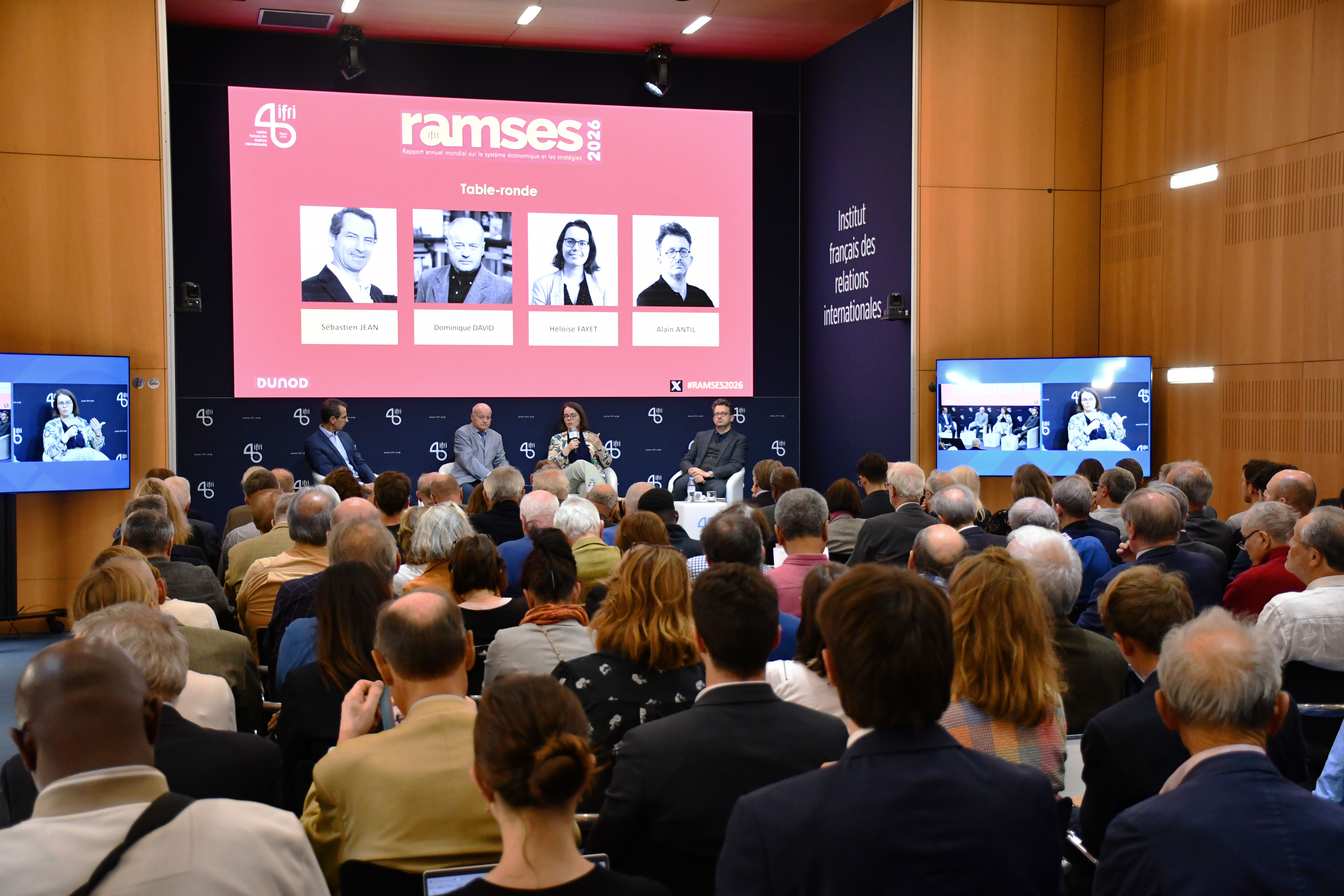


Societies
The existence of an international civil society is the subject of theoretical debate. But beyond these debates, the study of societies remains essential to understanding how the world works.

New Africa France Summit : the Concealed Continuation of Emmanuel Macron's Africa Policy
A “New Africa-France Summit” was held on October, 8 at Arena Sud de France in Montpellier.
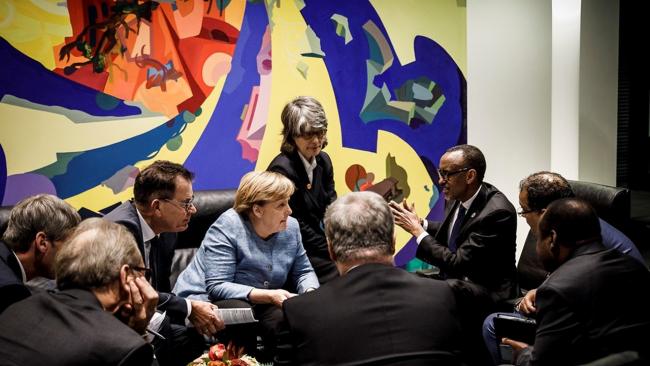
Germany’s Africa Politics: Renewal of an Unequal Cooperation?
In recent years, Germany’s Africa politics have been characterized by proactive international initiatives and the claim for a "partnership at eye level". However, a look at the power constellations of its cooperation indicates that inequalities are – contrary to Germany’s own claims – rather reproduced than reduced.
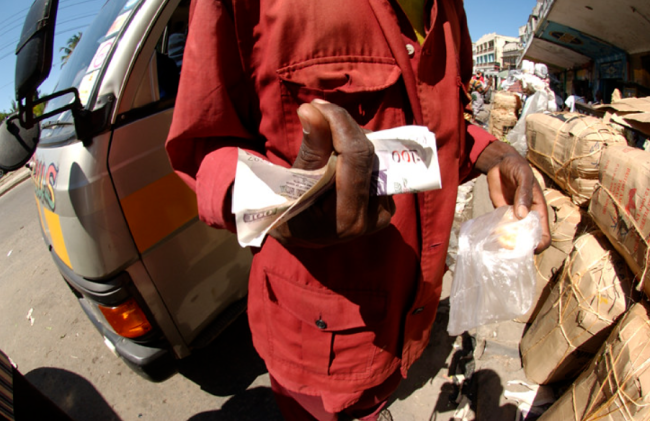
Corruption in Kenya. Understanding a Multifaceted Phenomenon
In Kenya, corruption results from a confusion of public and private interests that is specific to the neo-patrimonial logic in place since British colonization. The strong moral and political ethnicity that characterizes the country fuels an ambiguous relationship between the population and the elite.
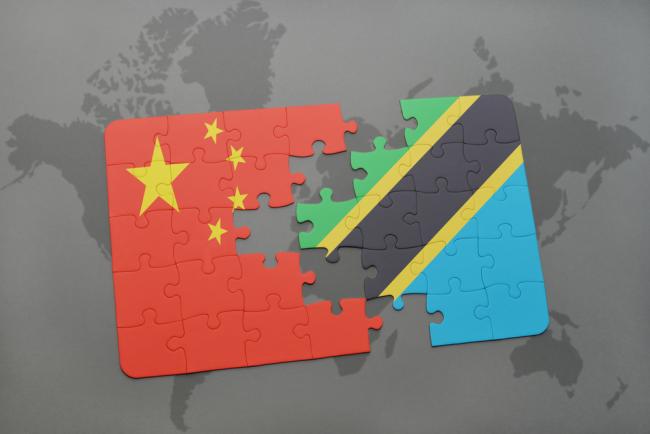
From Friends to Partners? The Changing Nature of Sino-Tanzanian Relations
Since the post-colonial period, China and Tanzania have maintained a close diplomatic relationship. This note offers a subtle analysis of the changing relationship between both countries since the 1960s. It assesses the economic ties and studies the collaboration of both countries in the agriculture, health, education and security sectors.

France hopes deporting more alleged radicals will bring security
France has repatriated more than half the people it defined as radical Islamists living in the country without a residence permit since 2018. Now it wants to extend the penalty and deport even more.
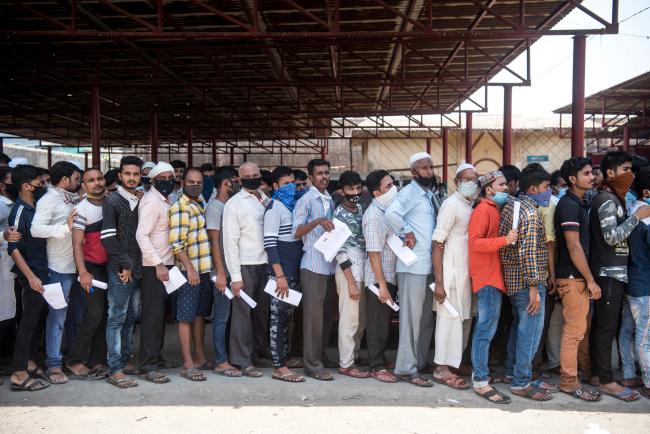
75 millions de nouveaux pauvres en Inde: le modèle de développement indien à l’épreuve du COVID-19
The pandemic has revealed the fragility of the Indian economy.
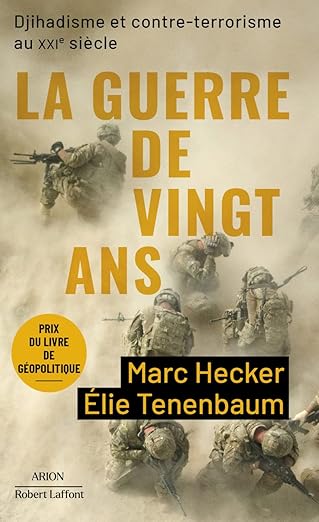
La Guerre de vingt ans. Djihadisme et contre-terrorisme au XXIe siècle
La Guerre de vingt ans was awarded the Prize for the best book on geopolitics in 2021.

Consequences of the coal phase-out on the electricity production in Germany: a best practice model for Europe?
2020 marked the beginning of the total phasing out of electricity production based on coal, as well as coal extraction in Germany. Laws implemented in 2020 concluded a governmental process started in 2015, which itself resulted from a prior broader debate on the role of coal in a viable and sustainable energy and economic system.

The Automotive Industry: The Achilles’ Heel of German Economy?
The global car market has been shrinking since 2018. This is a key economic sector for Germany whose producers belong to the Top 15 carmakers worldwide. Yet they are running the risk of being outclassed and eventually replaced, given emerging actors in the USA and China.
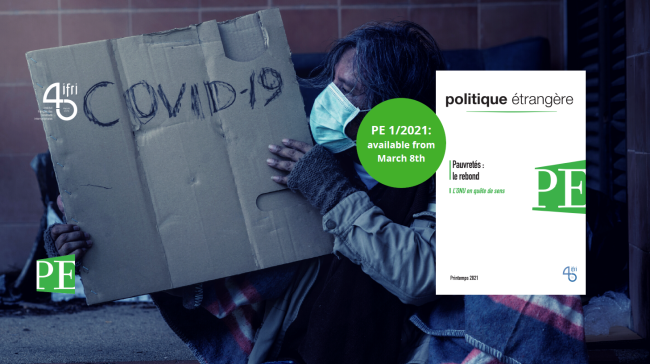
Development and Fight against Poverty: from Reconciliation to Scaling Up
Rich countries have committed $ 12 trillion to tackle COVID-19 at national level. Official development assistance only represents $ 150 billion per year.
Poverty: The Rebound
Poverty, a major consequence of the COVID-19 pandemic, is set to increase exponentially throughout the world, even though it was supposed to disappear in its most extreme form by 2030.
Once a Jihadist, Always a Jihadist? A Deradicalization Program Seen from the Inside
France has traditionally taken a security-based approach to the fight against terror. It was a latecomer to the field of radicalization prevention and the establishment of disengagement programs aimed at jihadists. It only started to think seriously about the issue in 2013 and its first attempts involved certain irregularities.
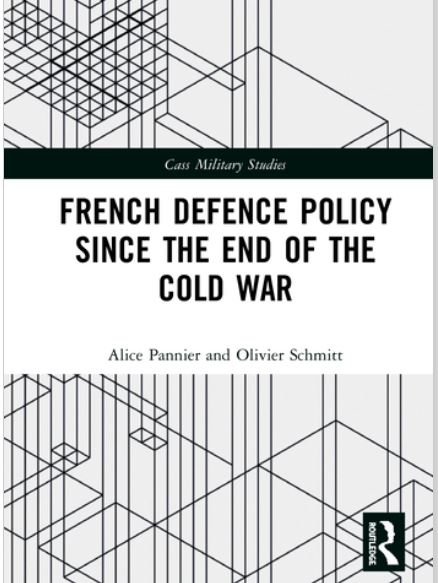
French Defence Policy Since the End of the Cold War
With a look at evolutions over the past three decades, the thematic chapters cover French defense institutions and civil-military relations, the transformation of armed forces, nuclear deterrence, the defense industry, military interventions, and alliances.

COVID-19 in Africa: A Continent’s Response to a Global Crisis
The COVID-19 pandemic has struck Africa less than expected.
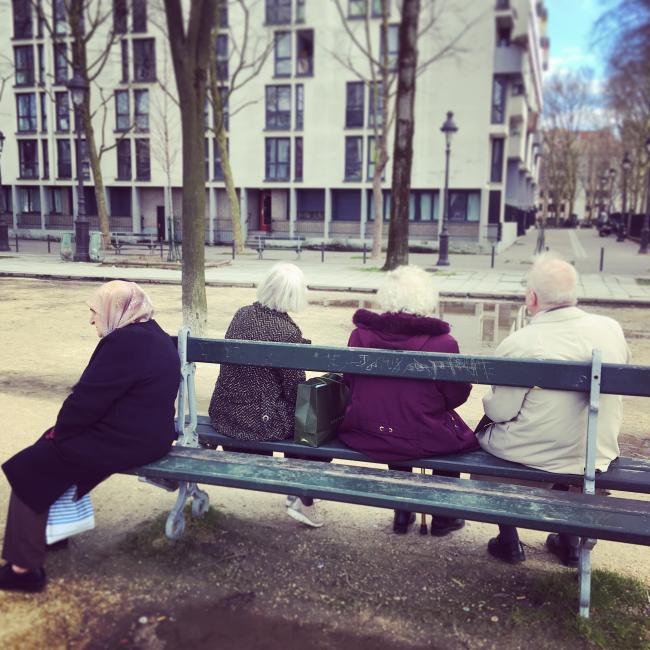
How the French Understand Immigrant Integration and Citizenship
On December 9, 2020 will be celebrated the 115th anniversary of the 1905 law on French secularism (laïcité). On the very same day, a new law project will be presented by the French government, with the objective of further strengthening the “republican values” in order to fight against so-called “Islamist separatism” within French society.
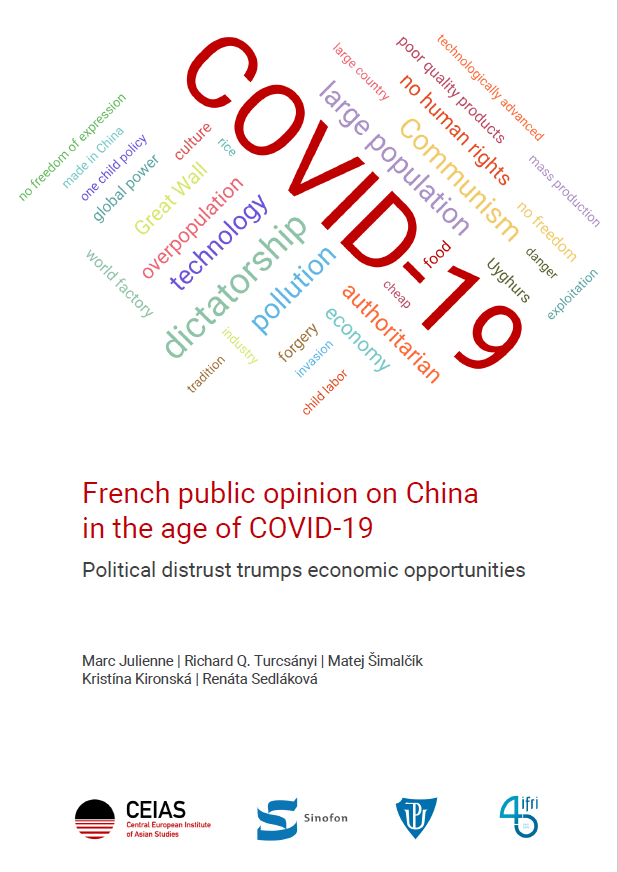
French public opinion on China in the age of COVID-19: Political distrust trumps economic opportunities
This report is a result of a wide-scale study of public opinion on China in 13 European countries,1 conducted in September and October 2020, on the research sample representative with respect to gender, age, level of education, country region, and settlement density. Here, we focus on the French portion of the polling, building on the previously published report comparing the results across the 13 countries.
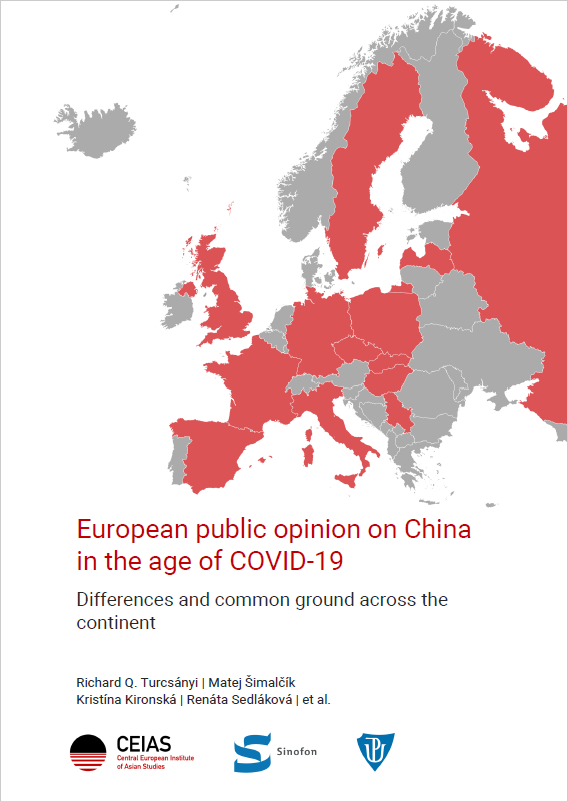
European public opinion on China in the age of COVID-19: Differences and common ground across the continent
In September and October 2020, the Sinophone Borderlands project at Palacký University Olomouc conducted a wide-scale survey of public opinion on China in 13 European countries. The polled countries include: Czechia, France, Germany, Hungary, Italy, Latvia, Poland, Russia, Serbia, Slovakia, Spain, Sweden, and the United Kingdom. Here, we present the basic findings of the survey, which are a result of a joint analysis of the survey data by the Central European Institute of Asian Studies (CEIAS) and Sinophone Borderlands.
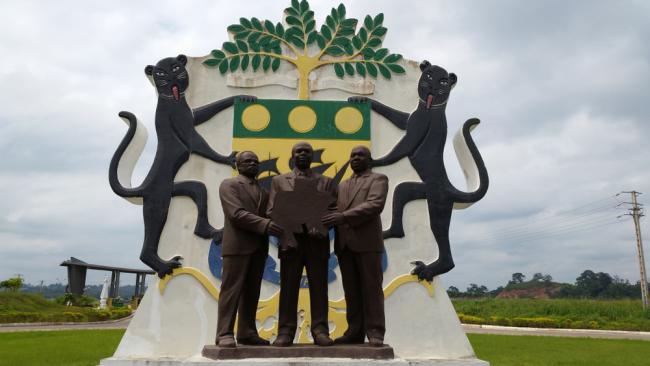
The Gabonese Opposition Diaspora in France: A Political Mobilisation in the Context of the 2016 Post-electoral Crisis
The Gabonese opposition diaspora in France has become politically influential. Diasporic actors criticize the Ali Bongo regime and the weak organisation of the Gabonese opposition. They could change the political destiny of the country.
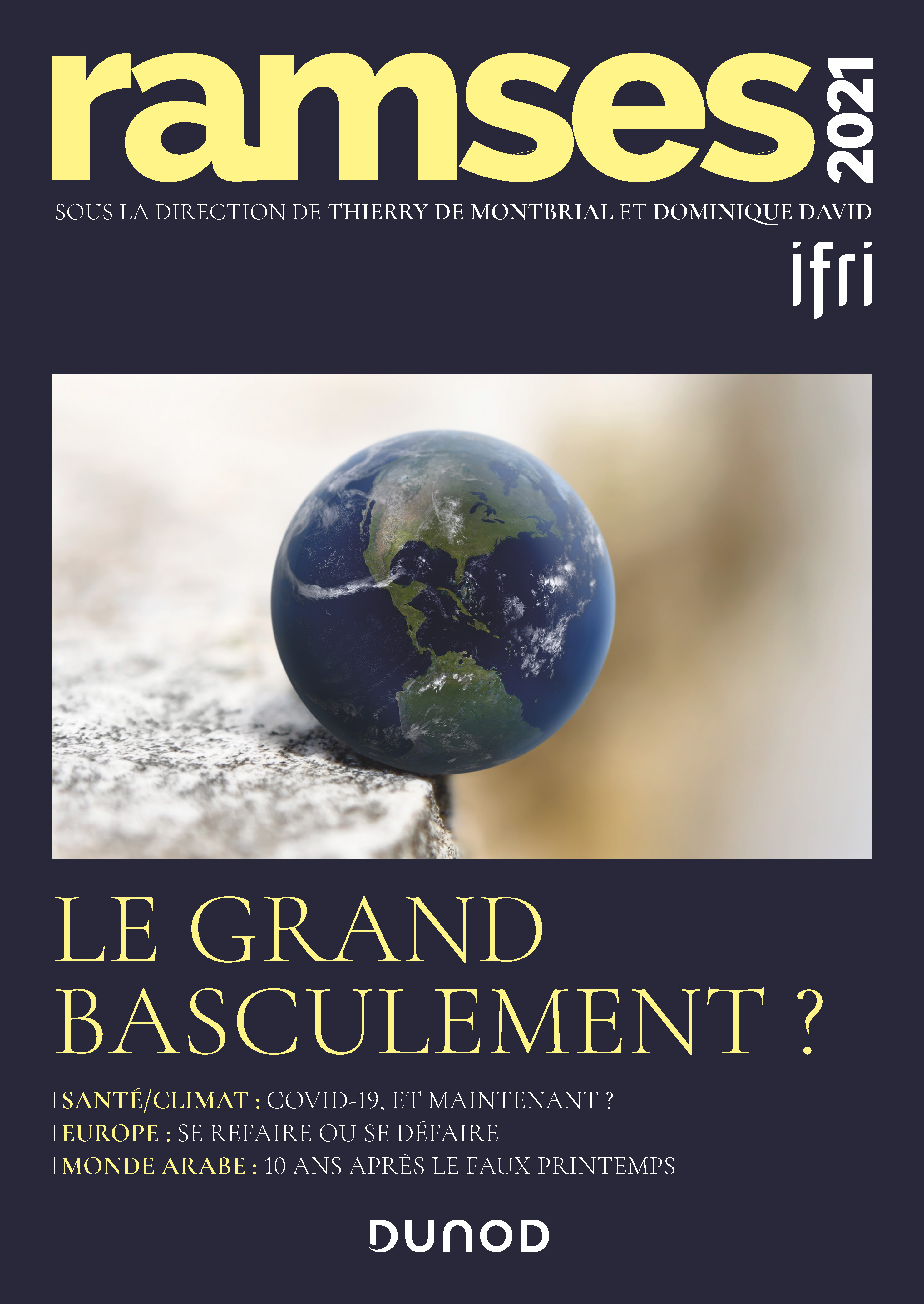
RAMSES 2021. At the Edge?
RAMSES 2021. At the Edge?, written by Ifri's research team and external experts, offers an in-depth and up-to-date analysis of geopolitics in today’s world.
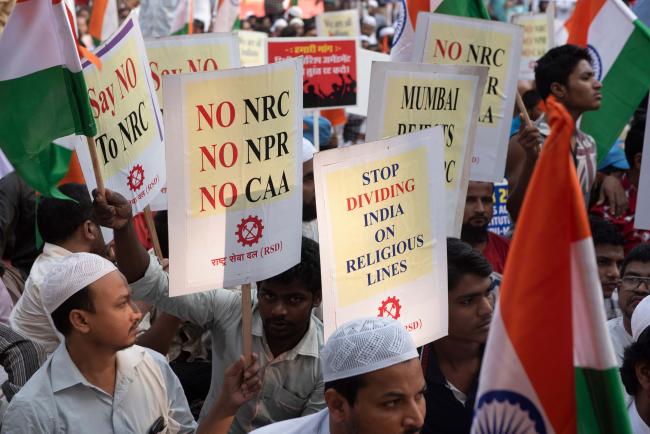
Making Sense of India’s Citizenship Amendment Act 2019: Process, Politics, Protests
India's new citizenship law is an outcome of Hindutva Constitutionalism that legitimizes the notion of Hindu victimhood. While the opposition to the law has been vocal, it has remained fragmented.
The Waning of Universalism
During the 19th century, Westerners provided ideological justifications for their colonization, namely spreading the Enlightenment across the globe. This project was received favorably until the second half of the 20th century. Over the last 20 years, it has met new hostility. The “universal values” promoted by the West are viewed today as a form of imperialism to be opposed – especially by China, Russia and Turkey.
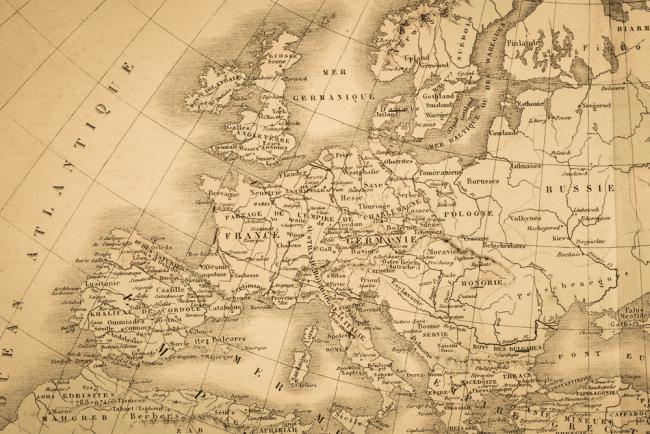
Imagined Geographies of Central and Eastern Europe: The Concept of Intermarium
Like the proverbial cat, some concepts have several lives. Or, like the mythological phoenix, they can be reborn from the ashes. This is certainly the case of the Intermarium, a geopolitical concept that envisaged an alliance of countries reaching from the Baltic Sea over the Black Sea to the Aegean Sea that would serve as a third power bloc between Germany and Russia.

Hashtag and Political Resistance Movements in Southern Africa
What is the political significance of Southern Africa’s “hashtag movements”, socio-political campaigns using social media to disseminate information and to mobilise concerned and previously quiet segments of the public?
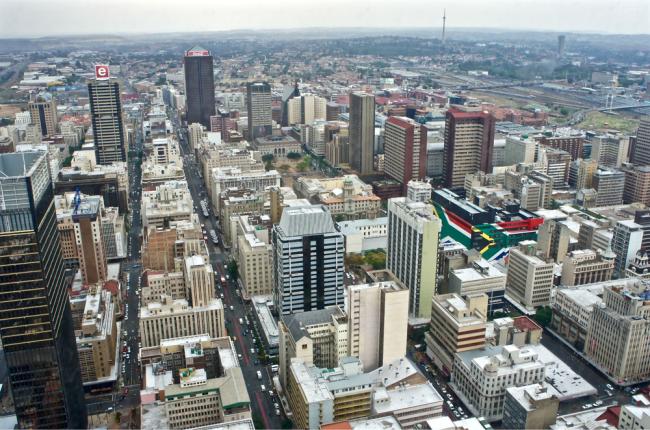
Defining the Middle Class in the Global South. A Quantitative Perspective from South Africa
What makes you middle class? Is it your income, occupation, or education? Your family background or maybe the house and neighbourhood you live in? It is probably all of these things.
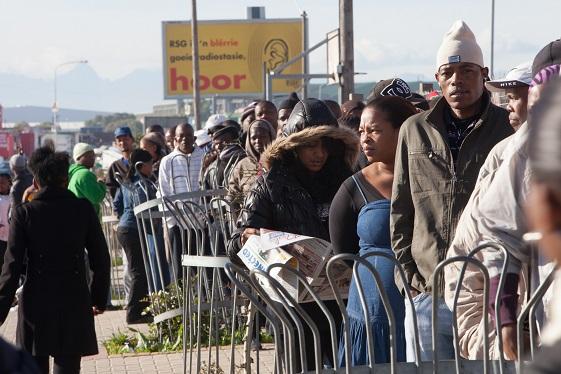
South African Local Elections 2016. From One Party Dominance to Effective Plural Democracy
The South African political landscape experienced a shock from an unlikely source; the country’s local government elections on August 3, 2016 representing the last tier of government and often overlooked in favour of national and provincial polls.
Not Dazzling But Not Invisible : The Ugandan Middle Classes as "Somewhere in Between"
In January 2016, the Kenyan supermarket chain Uchumi has filed bankruptcy for its Ugandan subsidiaries, due to perpetual losses. And they are not alone: companies like Nestlé, Coca Cola or Barclays are slowly pulling out of Africa and recent reports – such as the Global Wealth Databook from Credit Suisse or from the Pew Research Center – suggest that the size of the African middle class may be much smaller than previously thought. So was the hype in recent years about “Africa rising” (Mahajan, 2009) and the African middle class just a bubble? In order to better comprehend the social and economic transformations taking place on the continent, it can prove helpful to look beyond the dazzling facade of economies such as Kenya or South Africa, and into those countries experiencing steady growth, but nevertheless far from including a well established middle class. Their middle classes are not shopping in big malls, driving cars and going on holidays. Rather, these groups are characterized by the improvement of their livelihoods compared to their parents’ generation, in terms of education, income and housing, but they still feel strongly vulnerable, and do not take their new benefits for granted. This has an important effect on their consumption patterns, and may not turn them into the promising new consumers, as they have sometimes been praised to be.
Russia’s Immigration Policy: New Challenges and Tools
A new stage in the development of Russia's migration policy is upon us. Since 2010, legal amendments and the Concept of Migration Policy of the Russian Federation to 2025, adopted in June 2012, marked a clear change in how migration flows are regulated, the aim being now to maximise the economic benefit of labour migration.
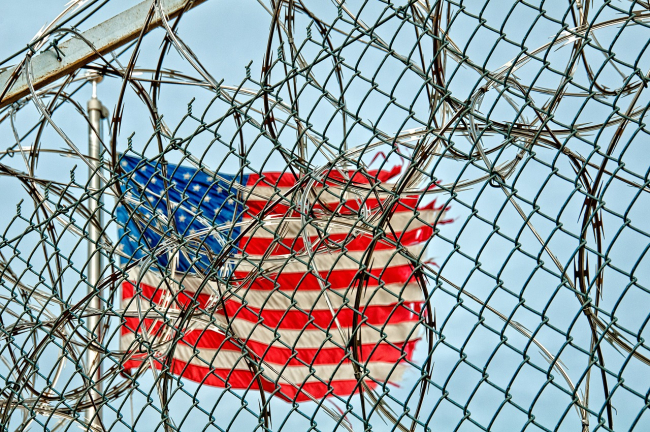
Sentencing Reform in the United States
Since the 1980's the incarceration rate in the United States has climbed to unprecedened levels. Today, the United States incarcerates a higher proportion of its population than any other country in the world. Activists have long called for sentencing reform, recognizing the criminal justice system's racial bias and failure to rehabilitate. President Obama's recent call to action propelled the debate on the issue forward at an unprecedented pace but will proposed reforms be enough to end mass incarceration ?
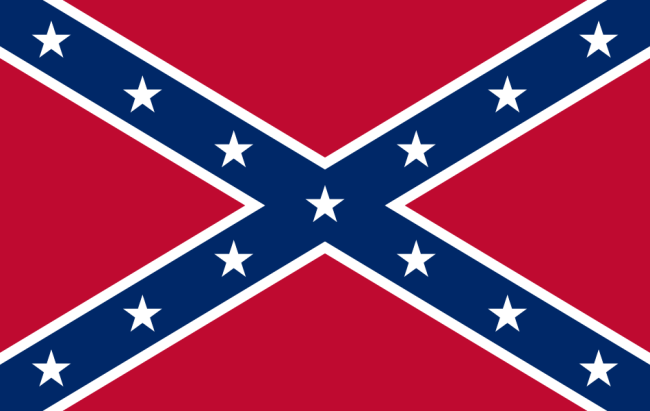
Rethinking the Confederate Legacy
The battle flag of General Robert E. Lee’s famed Army of Northern Virginia, commonly known as the Confederate Flag or the Southern Cross, has become the symbol of the 1861-1865 Southern secession and the most widespread sign of Southern regional identity. Today it can be found flying across the South and on everything from clothing to bumper stickers.
Fragility Factors and Reconciliation Needs in Forest Guinea
In December 2013 the first Ebola cases surfaced in Guéckedou district, near the Liberian and Sierra Leon borders in the Forest Region of Guinea. The outbreak quickly spread from Forest Guinea to the rest of the country and, through the borders, to neighbouring countries. It took three months to identify the Ebola virus as the causative agent of the burgeoning epidemic, longer for the Guinean government to understand the importance of treating the outbreak as a national emergency, and even more time for everyone involved to appreciate the great social toll of Ebola.
Ifri, a foundation recognized as being of public utility, relies largely on private donors – companies and individuals – to guarantee its sustainability and intellectual independence. Through their funding, donors help maintain the Institute's position among the world's leading think tanks. By benefiting from an internationally recognized network and expertise, donors refine their understanding of geopolitical risk and its consequences on global politics and the economy. In 2026, Ifri partners with over 90 French and international companies and organizations.