

Defense Policy and Armed Forces
As military competition increases, nations are adapting their defense policies and transforming their armed forces. Doctrine, organization, equipment and training are key to understanding the evolution of land, air and naval forces.
Related Subjects
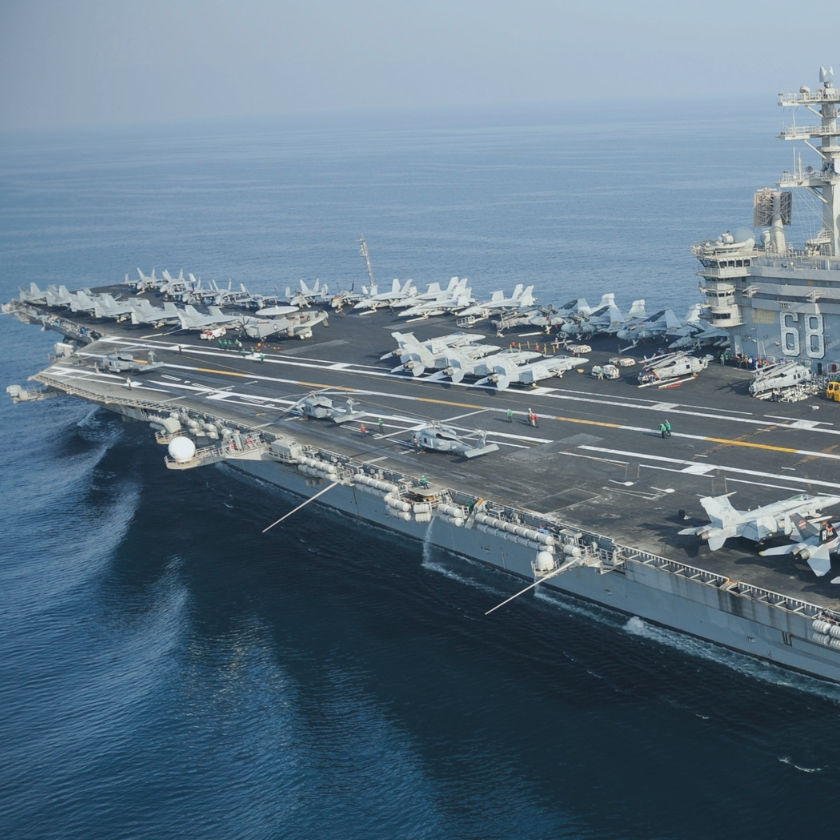
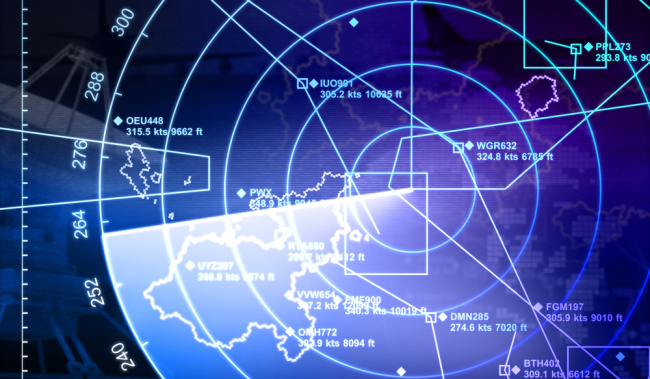
Les mutations du renseignement militaire : dissiper le brouillard de la guerre ?
Military intelligence has evolved significantly as a result of advanced technology and the changing character of war.
Entry Operations and the Future of Strategic Autonomy
The ability to penetrate remote and contested theaters of operation is a crucial asset for any expeditionary military power.
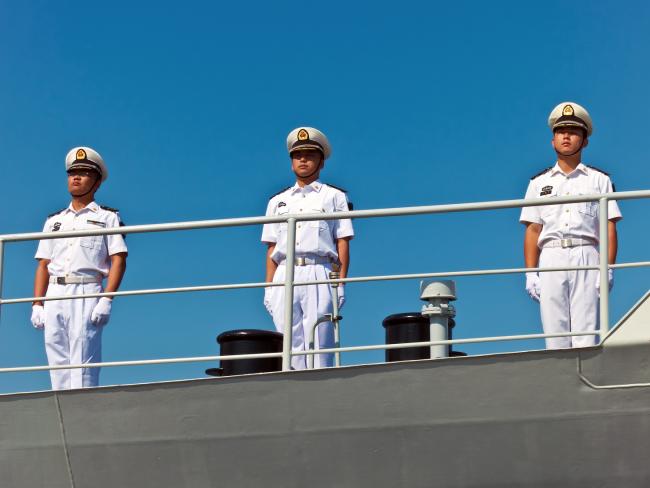
China’s Military Deployments in the Gulf of Aden: Anti-Piracy and Beyond
The reason for the deployment of a People’s Liberation Army Navy (PLAN) “anti-piracy task force” in the Gulf of Aden (GoA), a key area for the Chinese economy, was obvious in 2008. However, as the pirate activity has faded away since 2012, the objectives of the PLAN in GoA became unclear.
Operation Sangaris: A Case Study in Limited Military Intervention
The French Army's Sangaris Operation in Central African Republic proved successful despite it being first undermined.
The Future Middle East Strategic Balance. Conventional and Unconventional Sources of Instability
This paper seeks to analyze the future Middle Eastern military balance of power, in a time horizon of five to ten years.
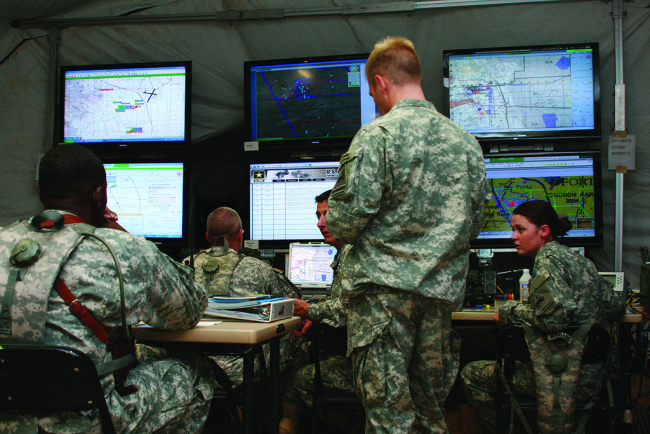
L'avenir de la surprise tactique à l'heure de la numérisation
Surprise is a crucial dimension of military tactics, which stems from incertitude inherent to war.
La Sentinelle égarée ? L’armée de Terre face au terrorisme
The 2015 terror attacks in France and the ensuing activation by the Ministry of Defense of its homeland protection plan opened a new phase in the long history of the French Army’s involvement in internal security.

In France, are soldiers outside the Eiffel Tower and the Louvre really worth it?
Sentinel represents a watershed development in French military operations. For the first time since the end of the Cold War, the number of French army soldiers actively deployed in metropolitan France roughly equals that of overseas operations. But the military establishment here is far from unified on the value of an operation often seen as a costly and superficial means of reassuring civilians and tourists at the expense of substantive improvement to national security.

NATO wrestles with internal divisions ahead of Warsaw summit
The alliance is struggling to assemble four battalions to safeguard its eastern flank from a possible Russian attack. In addition, many member states are falling short of their financial commitments to the alliance.
Retours sur Sangaris. Entre stabilisation et protection des civils
In December 2013, France launched its operation Sangaris in the Central African Republic. What conclusions can be drawn for the stabilization of the country and the protection of civilians?
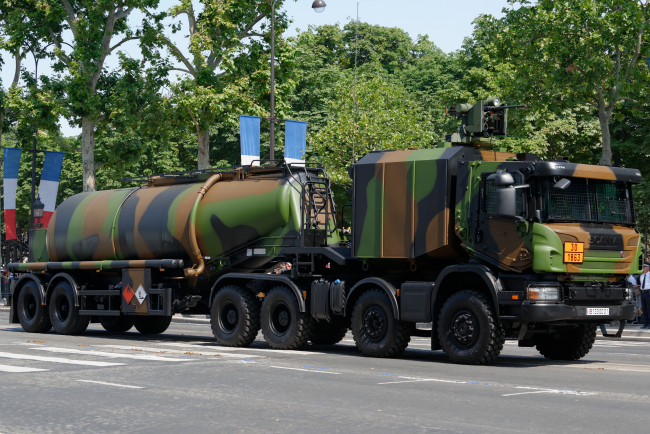
La sécurité énergétique des armées françaises. Le soutien pétrolier à l’heure de la transition
Ever since its inception on the eve of World War One, the concept of securing fuel supply has consistently proven its vitality to military operations.
Cooperation Despite Frictions in Northeast Asia
Cooperation Despite Frictions in Northeast Asia
Despite the political tensions that oppose Japan, China and South Korea, recent months have seen a certain rapprochement between Tokyo, Seoul and Beijing. The first trilateral summit in three years was held in November 2015.
Cooperation Despite Frictions in Northeast Asia

The ASEAN Community: The Reality of a Vision
On December 31, 2015, ASEAN launched its long-anticipated Community with relatively little fanfare. This low-profile attitude surprised many observers: announced as a milestone and the signal of the member-states determination to bring regional cooperation “to a higher plane,” the launch was indeed modest, even imperceptible.
War’s Indirection or the Return of the Limited War
Over the last few years both the United States and Russia seem to have changed their conception of how to deploy force.
The “One Belt, One Road” – Strategic Implications of a Chinese Infrastructure Network in Eurasia
China’s “One Belt, One Road” project, also known as the “New Silk Road”, aims to create a vast infrastructure network connecting three continents, with China playing the central role.
Deploying the Bundeswehr: more transparency, more flexibility, but Parliament’s consent remains key - The Rühe Commission’s final report
Besides the often invoked historical dimension behind Germany’s strategic culture of restraint, there are today very tangible legal reasons that prevent assertive German military interventionism (which are, of course, directly linked to the historical dimension): any intervention of the German armed forces requires the Bundestag’s consent.
From Russia’s Grand Strategy to Limited War
To implement the “grand strategy”, Moscow’s strongest card is the energy weapon. However, the fall in oil prices and the conflict in Ukraine have brought things sharply into perspective. The traditional military dimension of the army is currently resigned to waging “limited wars” in localized areas.

(Dis)integrating Asia? - Interview with Yukiko Fukagawa
Yukiko Fukagawa, Professor at the Graduate School of Economics, Waseda University, explained Japan's role in the regional integration process.
Ifri, a foundation recognized as being of public utility, relies largely on private donors – companies and individuals – to guarantee its sustainability and intellectual independence. Through their funding, donors help maintain the Institute's position among the world's leading think tanks. By benefiting from an internationally recognized network and expertise, donors refine their understanding of geopolitical risk and its consequences on global politics and the economy. In 2026, Ifri partners with over 90 French and international companies and organizations.