
Exploring the strengths and weaknesses of European innovation capacity within the Strategic Energy Technologies (SET) Plan
The purpose of this policy report is to explore the strengths and weaknesses of European innovation capacity within the Strategic Energy Technologies (SET) Plan Integrated Roadmap.

Semi-Mutual Defense: Europe’s Patchwork Response to Paris Attacks
The offer of active military support to France in Syria or in the Sahel by several European member states is likely to overshadow the absence of meaningful commitment from others. On balance, the picture will not be too disheartening for supporters of the EU: its foreign and security policy apparatus will not come out damaged, but only because it has not been properly tested.
Building Bridges Conversation Series - Bulgaria & Denmark
This new episode of the Building Bridges Conversation Series is part of the "Building Bridges" project, which aims to foster debate on the future of the European Union and offer top quality analyses on how each member state perceives the EU. In this video, Vivien Pertusot, coordinator of the project, discusses with Maja Kluger Rasmussen from Think Europa (Denmark) and Antoinette Primatarova from the Centre for Liberal Strategies (Bulgaria).
The French are looking for a fair deal for France and the EU, not just Britain
France has been ambivalent on the British renegotiation campaign. The general mood is to keep the UK in, but messages are going in different directions. Some are shrugging off the UK’s calls for reform and are not trying very hard to accommodate Westminster. Others seem keener to find an acceptable deal for Britain.
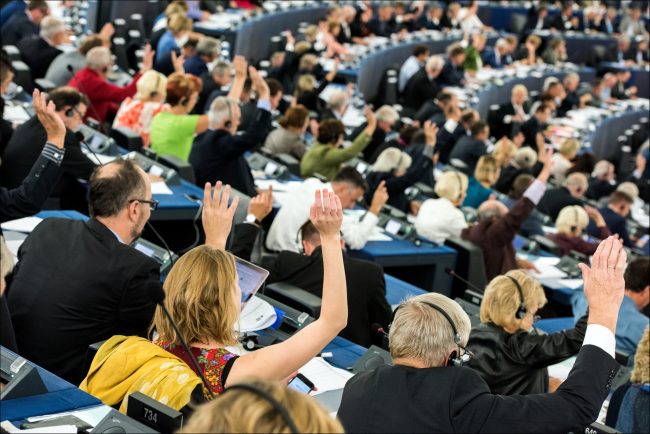
EU Reform: Mapping out a state of flux
“EU Reform” is widely discussed across Europe but rarely defined. This report analyses how the 28 member states of the European Union understand “EU reform” and provides an insight into how their views might play out in debates on the future of the EU as well as on day-to-day politics.
Will the party “Alternative for Germany" be able to establish itself on the German political landscape?
Only a few months after it had been founded, the Alternative for Germany party (AfD) won 4.7% of the second votes in the federal elections, on 22 September 2013 – only 130,000 short of what was required for entry into the German Bundestag. Party and election researcher Oskar Niedermayer called it a "successful failure".
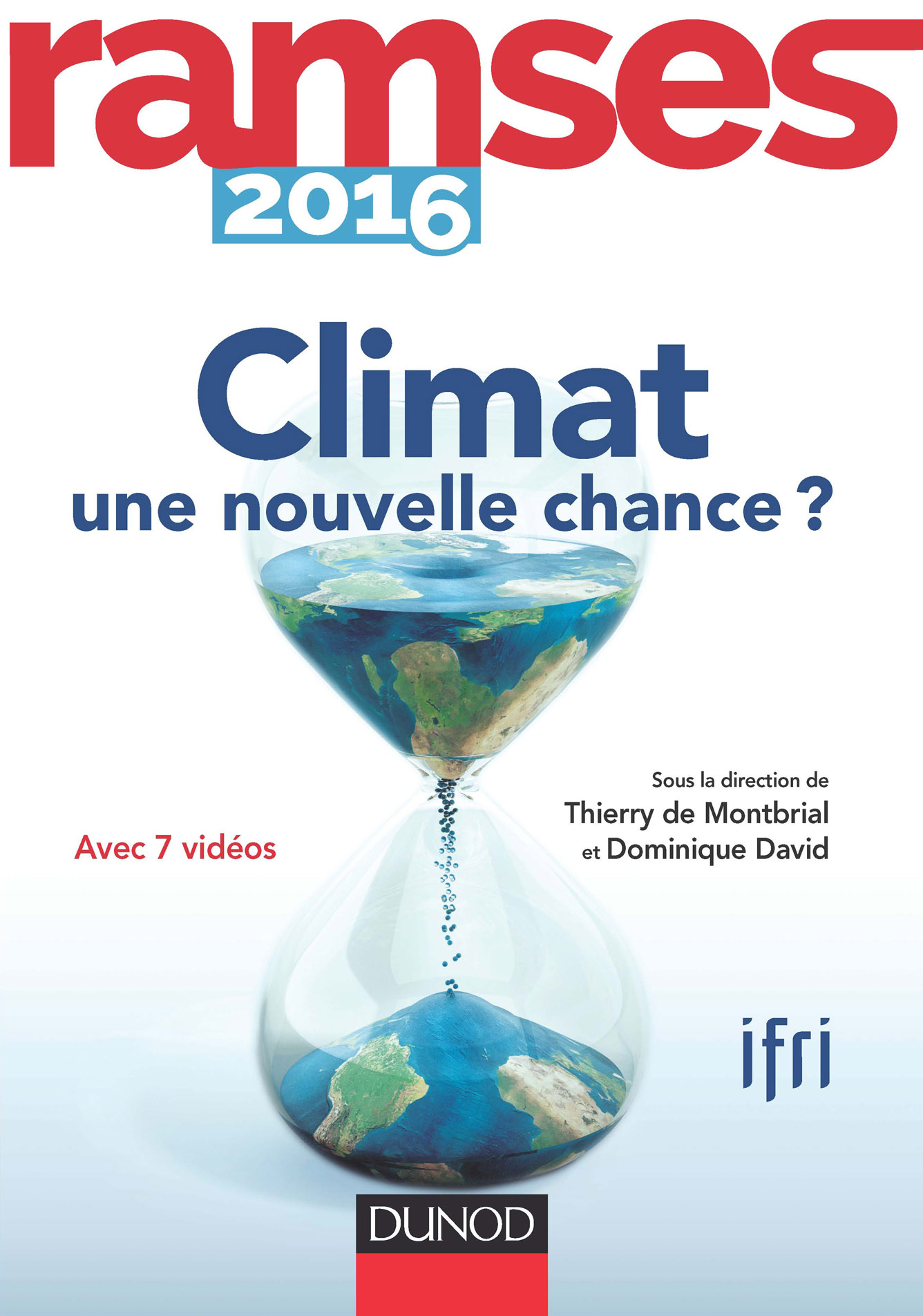
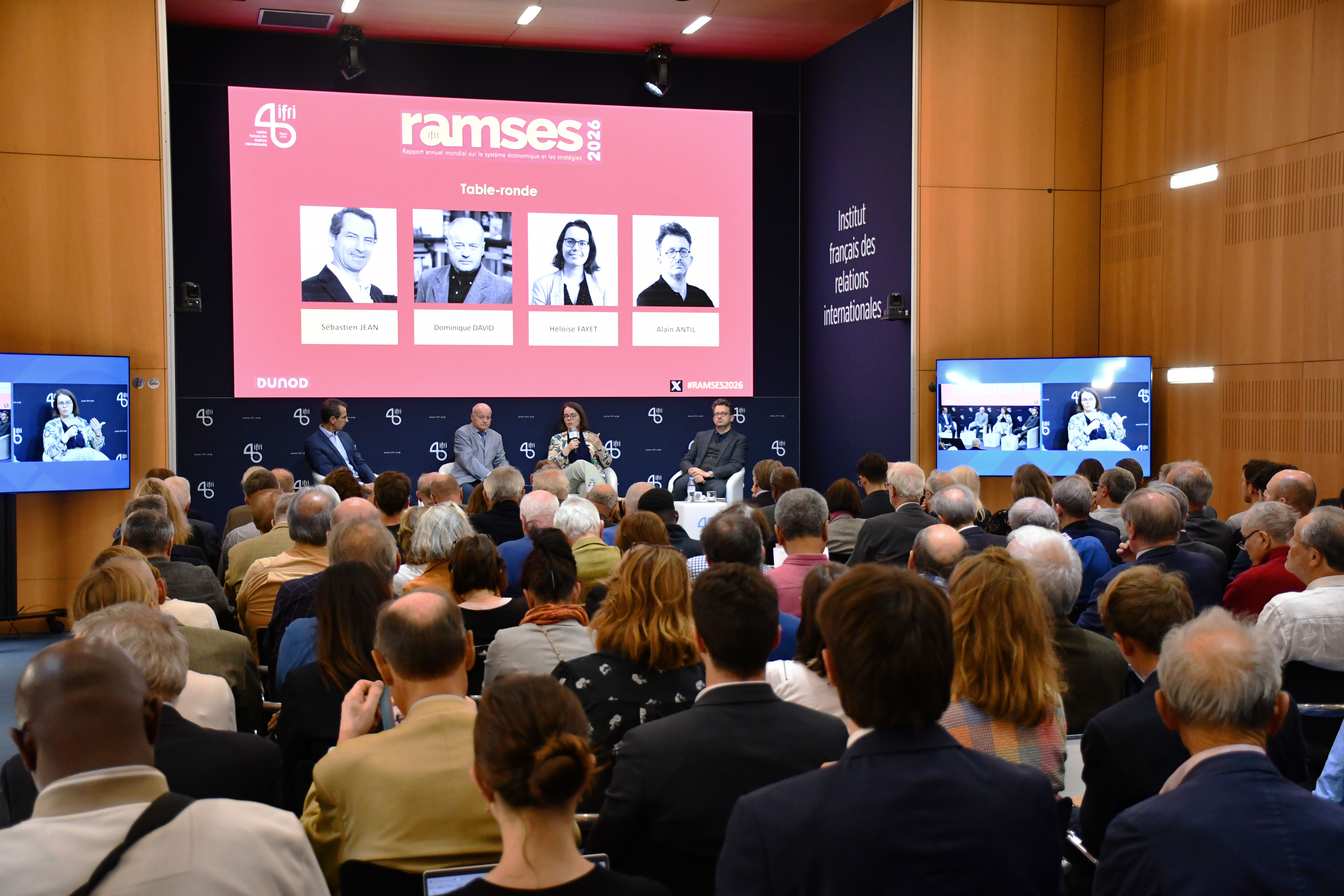
RAMSES 2016. Climat : une nouvelle chance ?
Written by Ifri's research team and its network of associates, the new RAMSES 2016 analyses geopolitics on a worldwide scale. The major theme of this 34th edition is Climate: A new chance? In addition, RAMSES 2016 tackles the insertion of Africa in globalization and the uncertainties of democracy today in post-industrial societies, but also in the South.
TISA, TTIP: How Trading is Done on Europe’s Behalf
The way in which bargaining mandates are granted to the Commission for the purpose of leading the European Union’s commercial negotiations make it a unique negotiator.

An Architect of the Latest Greek Bailout Navigates Germany’s Dual Roles
When the German Parliament set aside its objections and voted on Wednesday to approve a bailout for Greece, the chief proponent was both an architect of the deal and one of those raising fundamental questions about it: Germany’s finance minister, Wolfgang Schäuble.
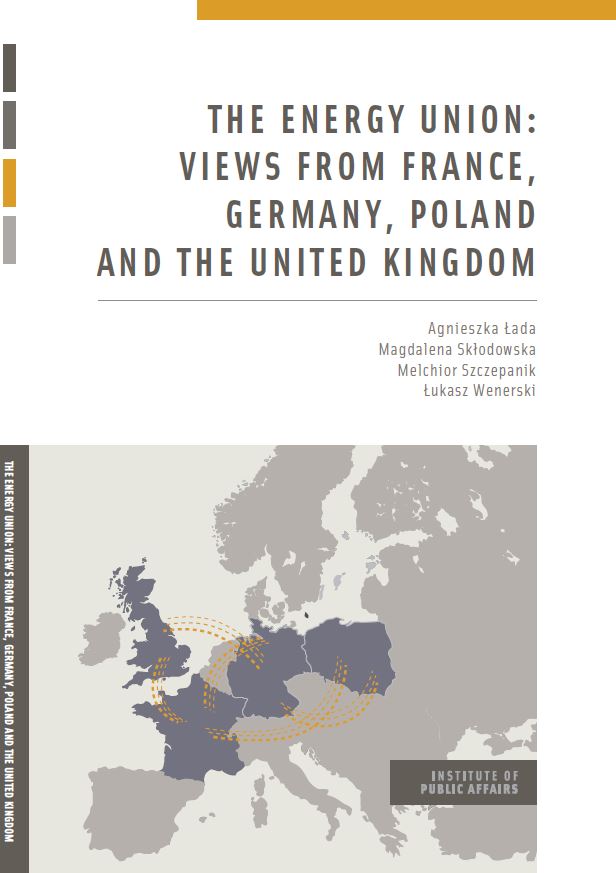
The Energy Union: Views from France, Germany, Poland and the United Kingdom
Report published by Instytut Spraw Publicznych (ISP) and presented at the 1-2 July 2015 conference organised by ISP, Stiftung Genshagen and Ifri: "Energy Union - Germany, France and Poland between common European goals and divergent national approaches". Melchior Szczepanik (ISP) and Carole Mathieu (Ifri Centre for Energy) co-authored the chapter dedicated to the French perspective on the Energy Union.
Building Bridges Conversation Series - Slovakia & Poland
This first episode of the Building Bridges Conversation Series is part of the "Building Bridges" project, which aims to foster debate on the future of the European Union and offer top quality analyses on how each member state perceives the EU. In this video, Vivien Pertusot, coordinator of the project discusses with Ana Benje from Comenius University (Slovakia) and Nathan Dufour from PISM (Poland).

À Berlin de prouver que sa posture stratégique a vraiment changé
L'Allemagne a annoncé qu'elle allait publier en 2016 un nouveau Livre blanc sur la défense. Cet exercice pourrait illustrer que les signaux positifs, mais dispersés, lancés par l'Allemagne depuis un peu plus d'un an auguraient d'un réel changement de posture stratégique, gage d'une reprise sérieuse de la coopération franco-allemande en matière de sécurité et défense et d'un éventuel co-leadership franco-germano-polonais pour la défense européenne.
European Defence: Minilateralism is not the enemy
To access the whole publication, please click on this link.

Ifri’s conference on the New Frontiers of Energy Identified Strategic Orientations for the European Energy Union
The Ifri Center for Energy held its annual conference in Brussels on March 4th, 2015. The event gathered more than 150 participants, together with prominent policy makers, industry leaders and distinguished academics to discuss how the European energy policy can deliver effective results in light of geopolitical upheavals, technological developments and governance issues.
To download the presentations, click here
Energy Union: What's Inside the Defence Walls?
Conflicts in Ukraine and Middle East are giving resonance to the proposal for an Energy Union, originated by Poland, and, initiated by the European Commission. Indeed, access to affordable energy stands as a major concern for all EU citizens and becomes, as such, a strong political argument for the Juncker Commission to back-up an Energy Union.

The Energy Union is Paving the Way for Energy Transition
2015 Ifri Center for Energy Annual Conference, Brussels
"Europe and the New Frontiers of Energy: Turning Grand Strategy into Effective Policy - Proposing Sustainable, Efficient and Field-Relevant Solutions"
Could Differentiated Integration Unblock the CSDP?
Differentiated integration, which brings some member states together on common means and strategies, appears to be the only route possible to circumvent obstructions to a Common Security and Defense Policy (CSDP) for the 28 member states.
The Western Balkans and the Failure of European Enlargement
The process of European enlargement has been officially suspended for five years. Yet in the western Balkans it is rapprochement with Europe that publicly underpins the majority of political policy.
Ifri, a foundation recognized as being of public utility, relies largely on private donors – companies and individuals – to guarantee its sustainability and intellectual independence. Through their funding, donors help maintain the Institute's position among the world's leading think tanks. By benefiting from an internationally recognized network and expertise, donors refine their understanding of geopolitical risk and its consequences on global politics and the economy. In 2026, Ifri partners with over 90 French and international companies and organizations.