

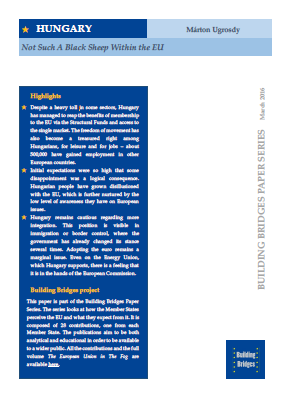
Hungary: Not Such a Black Sheep Within the EU
Despite a heavy toll in some sectors, Hungary has managed to reap the benefits of membership to the EU via the Structural Funds and access to the single market. The freedom of movement has also become a treasured right among Hungarians, for leisure and for jobs – about 500,000 have gained employment in other European countries.
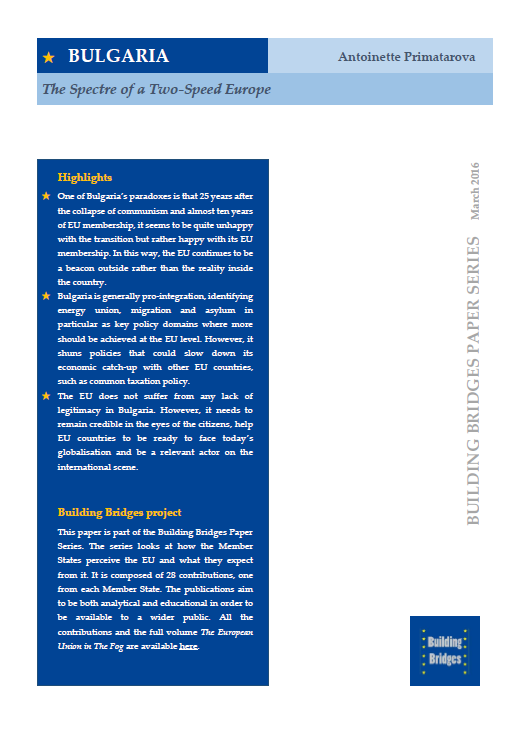
Bulgaria: The Spectre of a Two-Speed Europe
One of Bulgaria’s paradoxes is that 25 years after the collapse of communism and almost ten years of EU membership, it seems to be quite unhappy with the transition but rather happy with its EU membership. In this way, the EU continues to be a beacon outside rather than the reality inside the country.
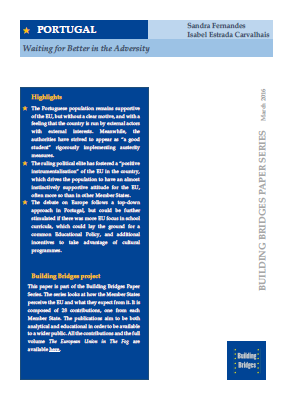
Portugal: Waiting for Better in the Adversity
The Portuguese population remains supportive of the EU, but without a clear motive, and with a feeling that the country is run by external actors with external interests. Meanwhile, the authorities have strived to appear as “a good student” rigorously implementing austerity measures.
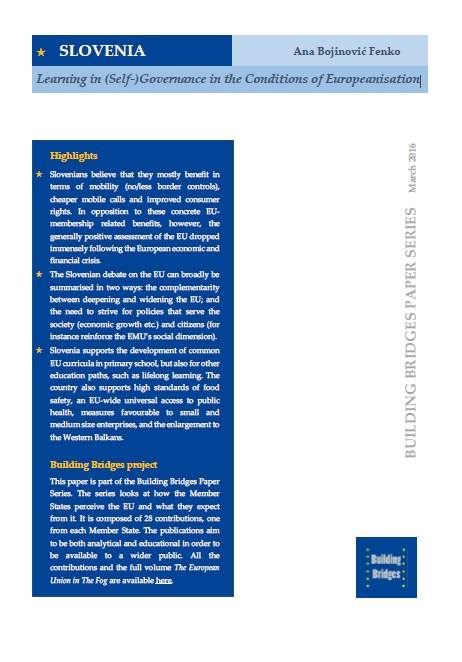
Slovenia: Learning in (Self-)Governance in the Conditions of Europeanisation
Slovenians believe that they mostly benefit in terms of mobility (no/less border controls), cheaper mobile calls and improved consumer rights. In opposition to these concrete EU-membership related benefits, however, the generally positive assessment of the EU dropped immensely following the European economic and financial crisis.
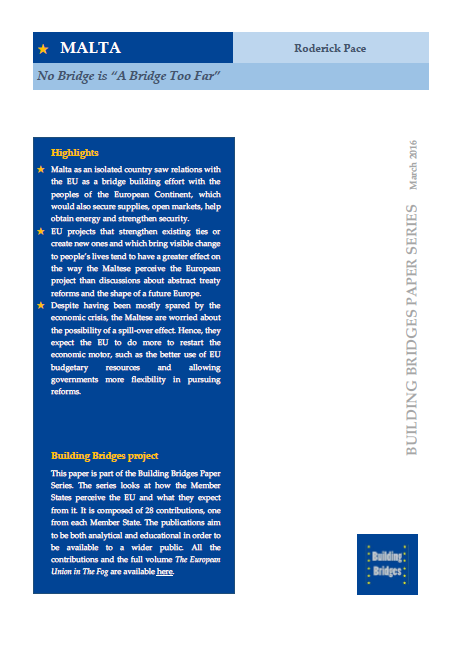
Malta: No Bridge is "A Bridge Too Far"
Malta as an isolated country saw relations with the EU as a bridge building effort with the peoples of the European Continent, which would also secure supplies, open markets, help obtain energy and strengthen security.
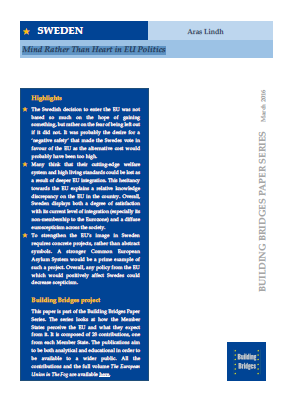
Sweden: Mind Rather Than Heart in EU Politics
The Swedish decision to enter the EU was not based so much on the hope of gaining something, but rather on the fear of being left out if it did not. It was probably the desire for a ‘negative safety’ that made the Swedes vote in favour of the EU as the alternative cost would probably have been too high.
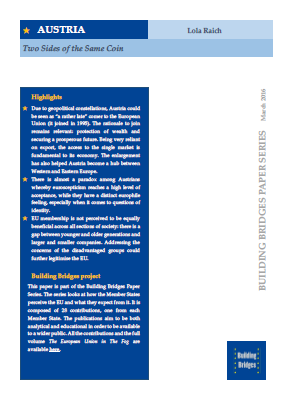
Austria: Two Sides of the Same Coin
Due to geopolitical constellations, Austria could be seen as “a rather late” comer to the European Union (it joined in 1995). The rationale to join remains relevant: protection of wealth and securing a prosperous future. Being very reliant on export, the access to the single market is fundamental to its economy. The enlargement has also helped Austria become a hub between Western and Eastern Europe.
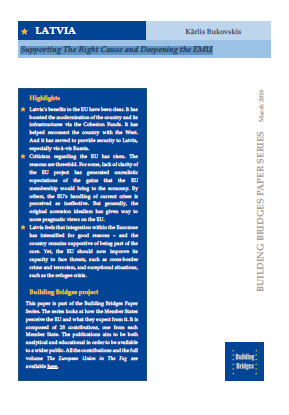
Latvia: Supporting the Right Cause and Deepening the Economic and Monetary Union
Latvia’s benefits to the EU have been clear. It has boosted the modernisation of the country and its infrastructures via the Cohesion Funds. It has helped reconnect the country with the West. And it has served to provide security to Latvia, especially vis-à-vis Russia.
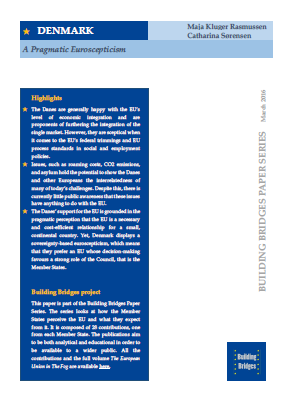
Denmark: A Pragmatic Euroscepticism
The Danes are generally happy with the EU’s level of economic integration and are proponents of furthering the integration of the single market. However, they are sceptical when it comes to the EU’s federal trimmings and EU process standards in social and employment policies.
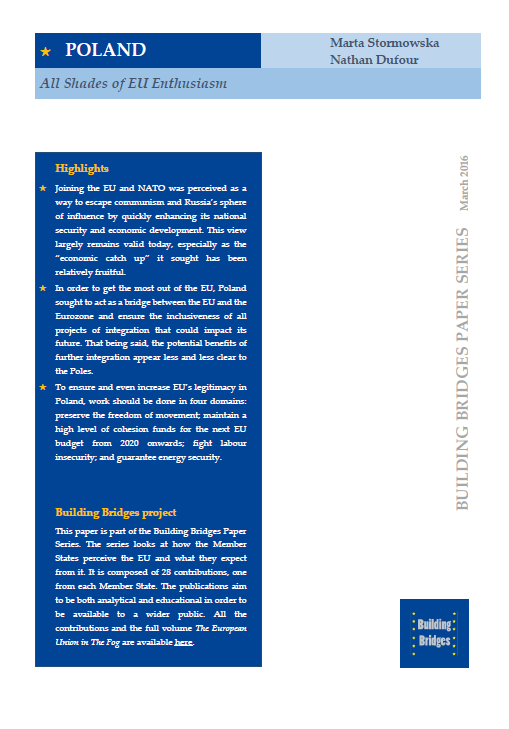
Poland: All Shades of EU Enthusiasm
Joining the EU and NATO was perceived as a way to escape communism and Russia’s sphere of influence by quickly enhancing its national security and economic development. This view largely remains valid today, especially as the “economic catch up” it sought has been relatively fruitful.
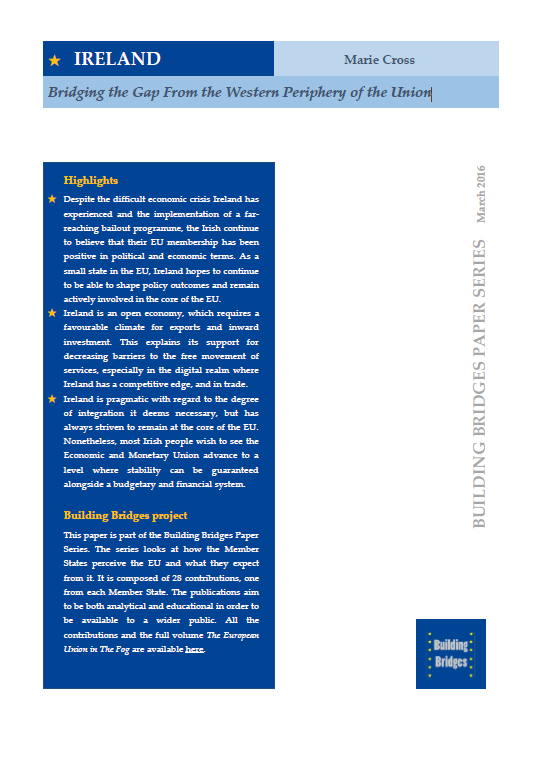
Ireland: Bridging the Gap from the Western Periphery of the Union
Despite the difficult economic crisis Ireland has experienced and the implementation of a far-reaching bailout programme, the Irish continue to believe that their EU membership has been positive in political and economic terms. As a small state in the EU, Ireland hopes to continue to be able to shape policy outcomes and remain actively involved in the core of the EU.

After UK: Who's next curbing social benefits?
Vivien Pertusot appears in a news report by Euranet Plus looking at the section on social benefits from the deal found between the United Kingdom and the European Union.
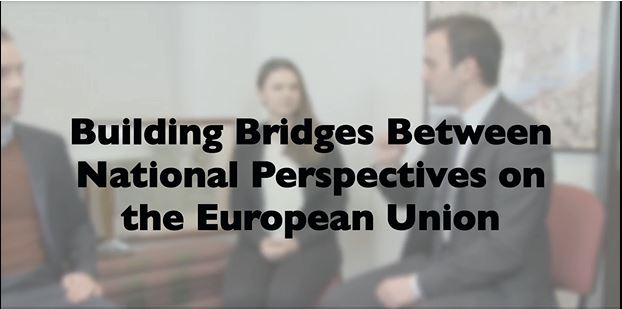
Building Bridges Conversation Series - France & UK
This new episode of the Building Bridges Conversation Series is part of the "Building Bridges" project, which aims to foster debate on the future of the European Union and offer top quality analyses on how each member state perceives the EU. In this video, Vivien Pertusot, coordinator of the project, discusses with Dominique David from Ifri (France) and Anand Menon from King's College (UK).
Rushing to a deal on the UK could be ill-thought-out for the EU
Germany and the Eastern Partnership after the Ukraine Crisis
The conflict in and about Ukraine has catapulted the European Union's Eastern Partnership (EaP) into the limelight of international attention. Belittled as a bureaucratic and technical policy instrument, the European Neighbourhood Policy and the EaP as its Eastern regional dimension have within the course of a few months gained unexpected geopolitical significance.
Building Bridges Conversation Series - Ireland & the Netherlands
This new episode of the Building Bridges Conversation Series is part of the "Building Bridges" project, which aims to foster debate on the future of the European Union and offer top quality analyses on how each member state perceives the EU. In this video, Vivien Pertusot, coordinator of the project, discusses with Marie Cross from the Institute of International and European Affairs (Ireland) and Adriaan Schout from Clingendael (the Netherlands).

Visions of EU Reform - Written evidence to the House of Lords
Vivien Pertusot provided written evidence to the inquiry of the EU Select Committee of the UK's House of Lords on "Visions of EU Reform". This inquiry is organised in the context of the UK Government's renegotiation and future referendum on the EU.
Great-Britain Whistle-Stop Tour of the EU
The consultations on Cameron’s demands were run with the EU members by the head of the European Council, Donald Tusk from Poland. Tusk wrote down what was said and sent a letter to London and other European capitals. The letter was quite peculiar, admits Vivient Pertusot, the head of the French Institute of International Relations (IFRI) in Brussels.
Building Bridges Conversation Series - Luxembourg & Spain
This new episode of the Building Bridges Conversation Series is part of the "Building Bridges" project, which aims to foster debate on the future of the European Union and offer top quality analyses on how each member state perceives the EU. In this video, Vivien Pertusot, coordinator of the project, discusses with Guido Lessing from the Centre d’études et de recherches européennes (Luxembourg) and Charles Powell from Real Instituto Elcano (Spain).
Exploring the strengths and weaknesses of European innovation capacity within the Strategic Energy Technologies (SET) Plan
The purpose of this policy report is to explore the strengths and weaknesses of European innovation capacity within the Strategic Energy Technologies (SET) Plan Integrated Roadmap.
Ifri, a foundation recognized as being of public utility, relies largely on private donors – companies and individuals – to guarantee its sustainability and intellectual independence. Through their funding, donors help maintain the Institute's position among the world's leading think tanks. By benefiting from an internationally recognized network and expertise, donors refine their understanding of geopolitical risk and its consequences on global politics and the economy. In 2026, Ifri partners with over 90 French and international companies and organizations.