





Europe
Europe is described here in a geographical sense. It is not limited to the European Union, and includes, for example, the United Kingdom and the Balkans. It remains central to international relations.
Related Subjects
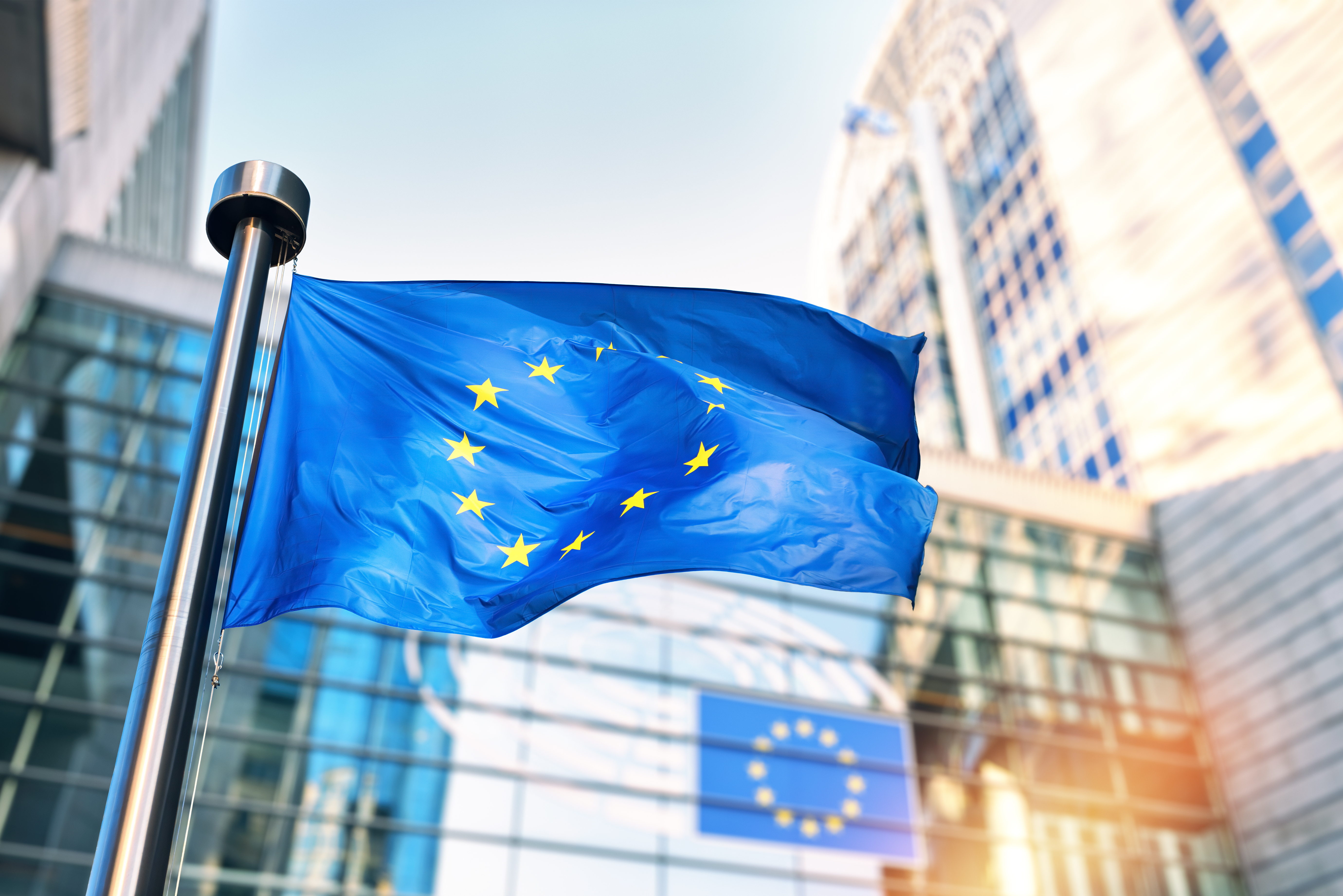
The Future of Europe in the Context of Sino-American Competition - Conclusions
In this special issue of Politique étrangère devoted to the proceedings of the conference organized by Ifri on April 10, 2019, at the Grand Amphitheater of the Sorbonne, on the occasion of its 40th anniversary, read the speech by Jean-Yves Le Drian, French Minister of Europe and Foreign Affairs.
Foreword
In this special issue of Politique étrangère devoted to the proceedings of the conference organized by Ifri on April 10, 2019, in the Grand Amphitheater of the Sorbonne, on the occasion of its fortieth anniversary, read the foreword by Thierry de Montbrial, founder and president of Ifri.
The World of Yesterday and Tomorrow
In this special issue of Politique étrangère devoted to the proceedings of the conference organized by Ifri on April 10, 2019, in the Grand Amphitheater of the Sorbonne, on the occasion of its fortieth anniversary, discover the speech by Thierry de Montbrial, Founder and Executive Chairman of Ifri.
Industry Response to New Protectionism
In this special issue of Politique étrangère devoted to the proceedings of the conference organized by Ifri on April 10, 2019, in the Grand Amphitheater of the Sorbonne, on the occasion of its fortieth anniversary, discover the debate moderated by Thierry de Montbrial between Jean-Paul Agon and Patrick Pouyané.
Europe and Africa
In this special issue of Politique étrangère devoted to the proceedings of the conference organized by Ifri on April 10, 2019, in the Grand Amphitheater of the Sorbonne, on the occasion of its fortieth anniversary, discover the conversation between Louise Mushikiwabo, Secretary General of La Francophonie and Thierrry de Montbrial, Founder and Executive Chairman of Ifri.

The Future of Europe in the Context of Sino-American Competition
This special issue of Politique étrangère focuses on the proceedings of the Conference organized by the French Institute of International Relations (Ifri) for its 40th anniversary, held on April 10th, 2019, in Sorbonne University's Grand Amphithéâtre.
The Crucial Challenge of Cyberthreats
In this special issue of Politique étrangère devoted to the proceedings of the conference organized by Ifri on April 10, 2019, in the Grand Amphitheater of the Sorbonne, on the occasion of its fortieth anniversary, discover the debate moderated by Marc Hecker between Thomas Gomart and Jean-Louis Gergorin.
What Can Europe Hope to Achieve in Tomorrow's World?
In this special issue of Politique étrangère devoted to the proceedings of the conference organized by Ifri on April 10, 2019, in the Grand Amphitheater of the Sorbonne, on the occasion of its fortieth anniversary, discover the debate moderated by Christine Ockrent between Franziska Brantner, Jean-Louis Boulanges, Bernardino Leon, and Igor Yurgens.
New Global Challenges and European Security
In this special issue of Politique étrangère devoted to the proceedings of the conference organized by Ifri on April 10, 2019, in the Grand Amphitheater of the Sorbonne, on the occasion of its fortieth anniversary, discover the debate moderated by Nicole Gnesotto between Julian King, Jean-Marie Guéhenno, Wolfgang Ischinger, Nathalie Tocci, Hubert Védrine.
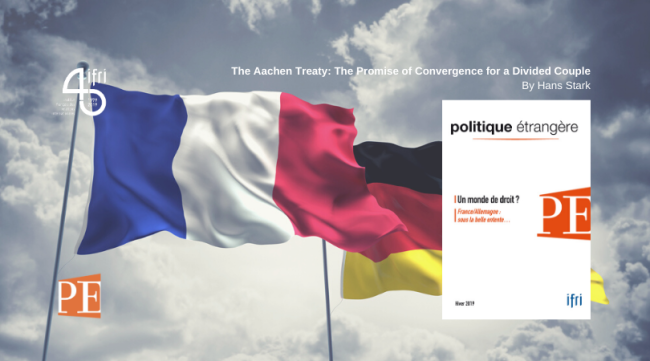
The Aachen Treaty: The Promise of Convergence for a Divided Couple
The numerous commitments made in the Aachen Treaty concealed a wide range of disagreements over defense, the future of the European Union, economic policies, relations with Russia, and so on.
U.S. Foreign Policy in the Age of Trump
Despite a very particular style, the Trump administration's foreign policy continues on many points the American withdrawal from World affairs which had started under Barack Obama. The main trends of thought of American foreign policy show this evolution, with the resurgence of non-interventionist and even nationalist ideas amongs DC think-tankers.

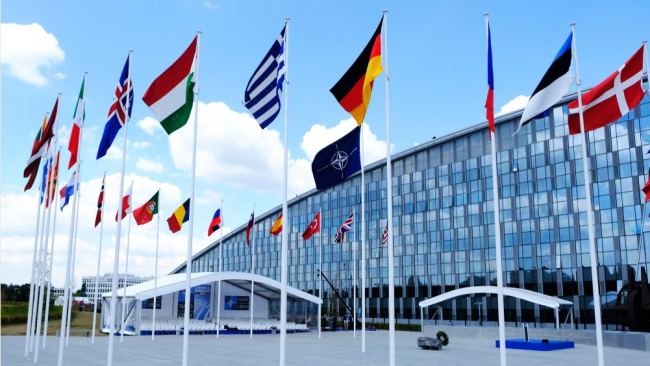
NATO Took Some Knocks But Survives Its 70th Anniversary Party
NATO’s 70th turned out to be less like a birthday party and more a Thanksgiving dinner for a large dysfunctional family: Not all of them got on, a few snide remarks were made, but in the end everyone seemed to accept they’re stuck with each other. “We had a very successful meeting,” said an evidently relieved Chancellor Angela Merkel of Germany, citing the unity she had seen among the alliance’s 29 leaders. “So I’m very pleased.”


Emmanuel Macron's openness toward Russia is testing the patience of NATO allies
Paris (CNN) - Nobody likes to hear that an old friend is "brain dead," so perhaps it's not surprising that France's allies seem to be going through the seven stages of grief over Emmanuel Macron's pronouncement in the Economist last month that NATO is languishing.
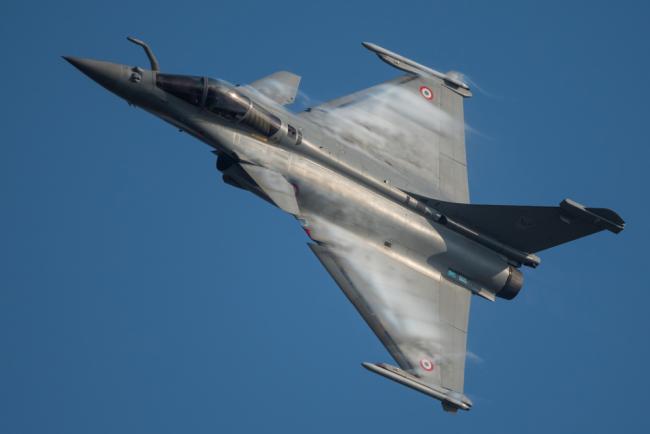
What Does It Mean to Be a European Defense Company Today?
In many ways, defense firms in Europe should be pleased with the recent uptick in defense spending.

Europe's position in the new world order
Thierry de Montbrial, Executive Chairman of Ifri, is interviewed by Yang RUI for China Global Television Network (CGTN), on the sidelines of the Paris Peace Forum, November 2019. He analyzes the position of Europe in a world dominated by the Chinese-American competition.
French Foreign Policy in the Age of Polycrisis
Under the presidency of Emmanuel Macron, France has set itself the goal of strengthening its international presence, being more proactive and defining the European reform agenda. However, the French room for manoeuver is limited.
Europe’s architecture of security in the current strategic environment: Taking the path toward "strategic autonomy"
As the world stage is marked by renewed great power competition, Europe lacks proper means to assert and defend its own independent political view. Despite this backdrop, the authors of this report contend that the current stalemate can be overcome with a collective and inclusive approach.
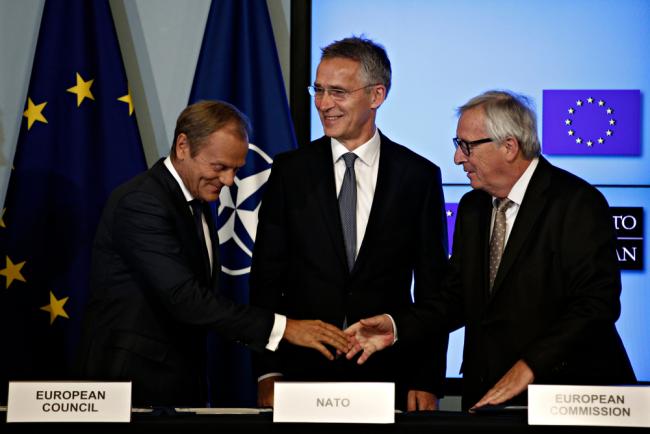
Mutual Reinforcement: CSDP and NATO in the Face of Rising Challenges
Over the past five years, several political and security developments have made it increasingly necessary to look at European Union (EU) / North Atlantic Treaty Organization (NATO) relations through a different lens.

France vows sanctions if US goes ahead with planned EU tariffs
France and the European Union are ready to respond "with sanctions" if the United States rejects talks over the Airbus trade dispute, French Finance Minister Bruno Le Maire said on Thursday. "If the American administration rejects the hand that has been held out by France and the European Union, we are preparing ourselves to react with sanctions," said Le Maire.
The Sanctions Policy of the European Union: Multilateral Ambitions Versus Power Politics
Restrictive measures are a major instrument of the European Union (EU)’s external action, which has emerged as one of the world’s leading sanctions emitters. The EU has thus leveraged the size of its market and its economic and financial clout (trade relations, aid policy and bilateral agreements).
Ifri, a foundation recognized as being of public utility, relies largely on private donors – companies and individuals – to guarantee its sustainability and intellectual independence. Through their funding, donors help maintain the Institute's position among the world's leading think tanks. By benefiting from an internationally recognized network and expertise, donors refine their understanding of geopolitical risk and its consequences on global politics and the economy. In 2026, Ifri partners with over 90 French and international companies and organizations.
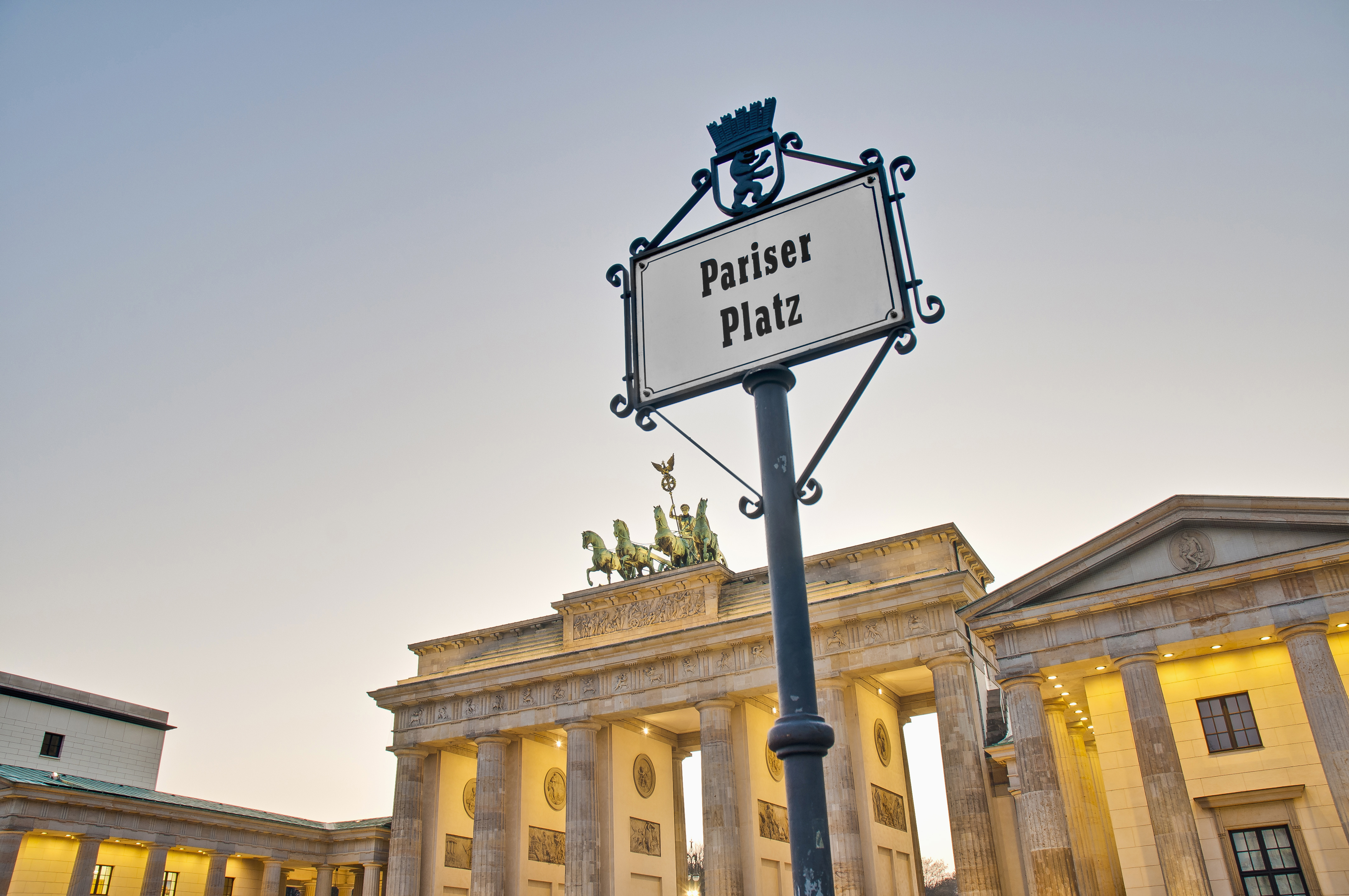
The Study Committee on Franco-German Relations (Cerfa) was created in 1954 by an inter-governmental agreement between the Federal Republic of Germany and France, in order to raise awareness of Germany in France and analyze Franco-German relations, including in their European and international dimensions. In its conferences and seminars, which bring together experts, political leaders, senior decision-makers and representatives of civil society from both countries, Cerfa develops the Franco-German debate and stimulates political proposals. It regularly publishes studies through two collections: Cerfa notes and studies as well as Franco-German visions.
Cerfa maintains close relations with the network of German foundations and think tanks. In addition to its research and debate activities, Cerfa promotes the emergence of a new Franco-German generation through original cooperation programs. This is how in 2021-2022, Cerfa led a program on multilateralism with the Konrad Adenauer Foundation in Paris. This program is aimed at young professionals from both countries interested in the issues of multilateralism in the context of their activities. It covered a wide range of themes relating to multilateralism, such as international trade, health, human rights and migration, non-proliferation and disarmament. Previously, Cerfa had participated in the Franco-German future dialogue, co-led with the DGAP from 2007 to 2020, and supported by the Robert Bosch Foundation and the Daniel Vernet group (formerly the Franco-German Reflection Group) which was founded in 2014 upon the initiative of the Genshagen Foundation.
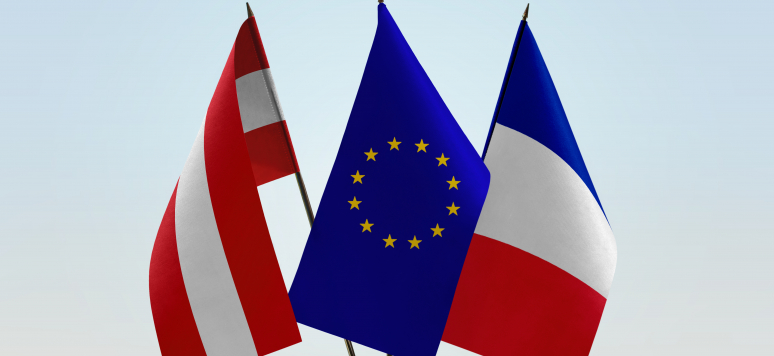
The Austro-French Centre for Rapprochement in Europe (ÖFZ/CFA) is a Franco-Austrian intergovernmental organization, initiated in 1976 by Prime Minister Jacques Chirac and Federal Chancellor Bruno Kreisky, in order to develop economic relations between Western and Eastern Europe, contributing to the creation of a Europe of peace.
After the fall of the Berlin Wall, the ÖFZ/CFA refocused its action on the problems following the enlargement of the European Union, and integrated the following countries in its field of activities : Hungary, Poland, Czech Republic, Slovak Republic, Slovenia, the Baltic countries, Romania and Bulgaria. ÖFZ/CFA's vocation, as a space for reflection and exchange, is in fact reinforced by the need to support the new member countries of the Union in their integration process. Since 2004, the ÖFZ/CFA has also turned towards the Union's new neighbors, in particular towards the countries of the Western Balkans, which perceive their future from a European perspective.
The ÖFZ/CFA strives to place all of its exchanges in a global perspective concerning the future of our continent. Today it centers its activities around three directions: the Franco-Austrian bilateral dialogue, the future of the European Union, the future recomposition of the continent.
Reports of all events organized by the ÖFZ/CFA are available on its website (http://oefz.at). The ÖFZ/CFA's budget is provided by the French and Austrian foreign ministries. Depending on the themes addressed, the ÖFZ/CFA calls on European public and private institutions to help finance its meetings. The CFA's orientations benefit from the recommendations of an Orientation Council, approved by a Board of Directors, which elects from among its members a president and a secretary general.