





United States of America
Despite polarized domestic politics and social tensions, the United States remains a major player in international relations, on the economic, military and diplomatic levels.
Related Subjects

Etats-Unis, des institutions enlisées
Many voices denounce the institutional gridlock that has gripped Washington. Indeed, filibustering in the U.S. Senate is not the only issue. Hopes of a reform are limited however.
This paper is published in French only — Etats-Unis, des institutions enlisées
L' "anti-environnementalisme", nouveau thème des conservateurs américains
Opposing environment protection policies has become a posture de rigueur for U.S. radical conservatives, especially in view of the 2012 campaign. This theme finds itself at the crossroads of several currents of American conservatism: a distrust of scientific elites, trust in the Manifest Destiny of the country, the defense of U.S. states and citizens against Washington and of the country as a whole against the rest of the World.
La Californie en 2011 : entre dynamisme et entraves
California enjoys a strong economy, backed by a strong immigration. Traditionally, this strength was reinforced by consistent investments from Sacramento, allowing for infrastructure development and education policies. In past decades, however, the idea that the state should do less has taken hold. Reforms have brought about a constant tightening of the state budget and public services. The less affluent citizens are left aside and the "social contract" of the Golden state is imperiled.
NATO Partnerships: Shaking Hands or Shaking the System?
The new Strategic Concept takes stock of the past ten years but outlines only modest objectives for the future of NATO. Partnership falls under the third core task, cooperative security. A subsequent partnership policy was unveiled, but has provided little new impetus.

Obama's Diplomacy as Showcased by Web 2.0
Obama's administration is intent on restoring the US image abroad.
Strategic Stability in the Cold War: Lessons for Continuing Challenges
During the Cold War, the phrase “strategic stability” gained currency both as a foreign policy objective and as an apt way of describing the fact that the United States and the Soviet Union never actually went to war.
What Now for Obama ?
Larry J. Sabato, Professor of Politics at the University of Virginia, provides us with solid historical references and tools of analysis to understand midterms in general and those of 2010 in particular.
He points to the damaging effect of Tea Party candidacies on the Republican victory in the Senate, and on the impact of Republican gains on the 2011 redistricting process. But the bad economy seems to have been the key issue for 2010 voters - it may be key as well in the 2012 presidential election.
Beyond the Midterms: The Outlook for the Obama Administration
One month after the midterm elections, it was time to step back and reflect upon the state of affairs at the time and future direction of President Obama’s Administration and deal with which campaign promises might be achieved in the remaining years and how the political parties would rally for the 2012 elections.
Où va l'École américaine ?
Many Europeans are unaware of Obama's commitment to secondary school reform. The US administration introduced administrative methods inspired by the private sector to combat poor test results in public middle and high schools with large minority populations. This approach is consistent with previous policies and should resonate with French observers.
‘‘I'm Not a Feminist, But…'', a Comparative Analysis of the Women's Movement in the United States and France
The emergence of a feminist thought in the 18th century gave rise to steady and regular exchanges between French philosophers and American activists. They illustrate in a very particular sector the wealth of the relation between both countries. This dialogue continues on renewed bases today: both in universities (with the exploration of the concept of gender) and in the militant world (with the defense of precise and limited causes).
Les Noirs américains : Amour, gloire et pauvreté
After hurricane Katrina in 2005, images of the miserable and abandoned black community of New Orleans surfaced. This portrait of a black underclass mired in poverty is not thoroughly representative of African Americans in the U.S., however.
Obama : Carter ou Cicéron ?
Between dignity and racial prejudice, empathy and weakness, intelligence and paralysis, will the talents of the presidential candidate become handicaps for the 44th president?
Internet et politique aux Etats-Unis
The growing use of the internet by citizens (blogs, social networks, on-line donations, etc...) certainly impacts the way politics are done in the United States. However, the internet may not be as democratizing a political tool as it seems. The author, François Vergniolle de Chantal, is a lecturer at the University of Burgundy and the co-editor-in-chief of the review Politique Américaine.
Au coeur de l'Amérique ? Le mouvement des Tea Parties
Since the beginning of 2009, conservatism in America has morphed into a spontaneous and decentralized form called the Tea Party Movement. Anne-Lorraine Bujon, a distinguished commentator on U.S. policy and society, analyses this new phase in American history.
U.S. Space Policy in 2009-2010: Towards New Choices?
Congress and the Administration have launched a series of space policy reviews in 2009, regarding in particular Nasa's exploration policy, the loosening of ITAR regulations and space security. On each of these issues, the U.S. government may adopt more international-leaning policies in 2010.
One Year Into the Obama Administration, What Has Really Changed?
NATO-Russia: Is the ‘Russian Question’ European?
The proliferation of theaters (in Europe, the Caucasus, Central Asia, the Far East, the Middle East and the Arctic) and cross-cutting issues (proliferation, disarmament, energy, arms sales) demonstrate the overall importance of the NATO/Russia relationship.
The Reform of NATO and the Free World’s Security Pact
Reforming the structure does not go to the heart of the problem. A new understanding has to be reached among the allies that takes into consideration the political, economic and technical changes of the last decade.
Ifri, a foundation recognized as being of public utility, relies largely on private donors – companies and individuals – to guarantee its sustainability and intellectual independence. Through their funding, donors help maintain the Institute's position among the world's leading think tanks. By benefiting from an internationally recognized network and expertise, donors refine their understanding of geopolitical risk and its consequences on global politics and the economy. In 2026, Ifri partners with over 90 French and international companies and organizations.
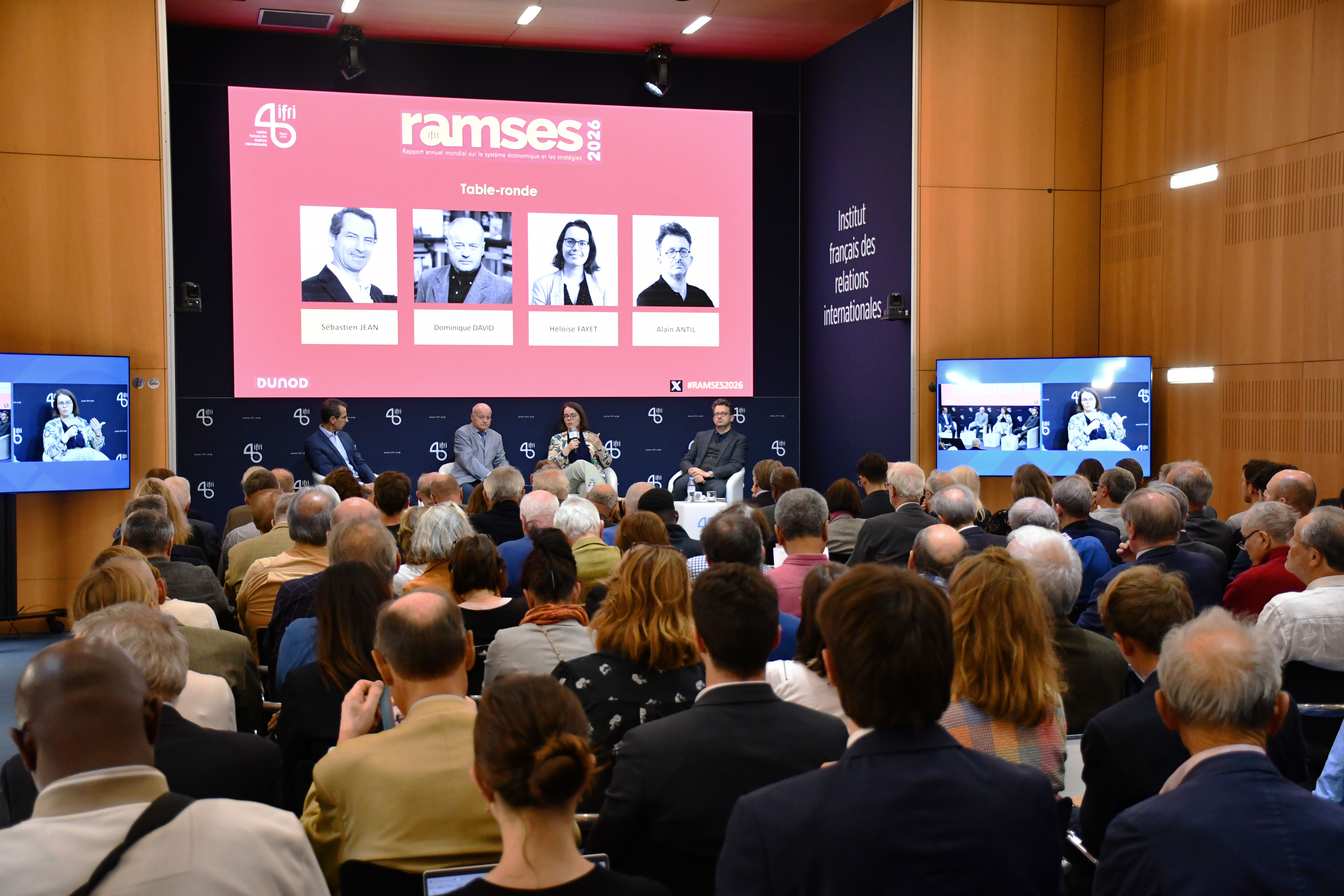
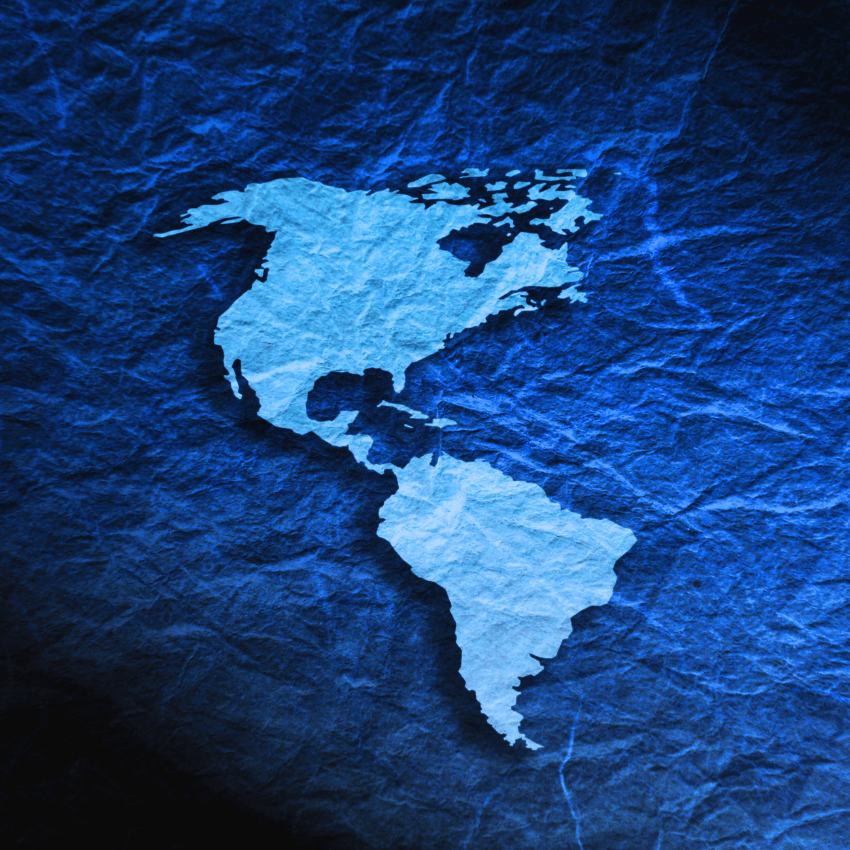
Ifri's work on the Americas region focuses mainly on the United States. Indeed, for more than 20 years, Ifri's Americas Program has provided keys to understanding American society and domestic policy while shedding light on developments in the country's foreign policy, including transatlantic relations and trade issues.
Since 2023, a specific axis on Latin America structures more actively Ifri's research on this region.
Ifri's Canada program was active in 2015 and 2016.