



3457 publications
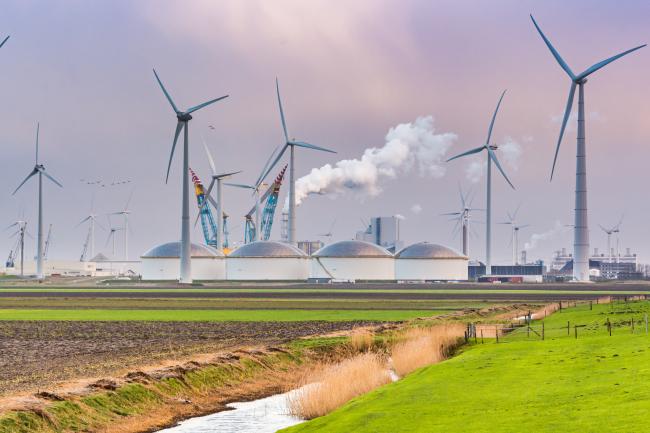
Redefining the Netherlands' Energy Future : Societal Implications of the Nearing End of Dutch Natural Gas
For decades, the large Groningen gas field has been a central pillar of the Dutch welfare state. The availability of gas was so self-evident that many generations still identify with the slogan “Nederland gasland” (“The Netherlands, a gas country”). The nearing end of Dutch gas now requires a mentality shift.
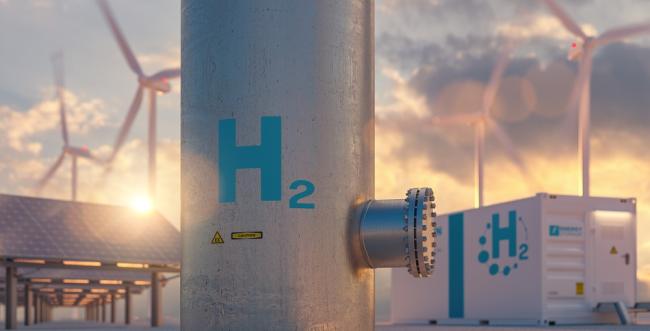
A Guide to Solve EU’s Hydrogen Dilemmas
Facing multiple crises, the European Commission (EC), backed by European Union (EU) Member States, has embarked on a pathway to accelerate the decarbonization of the EU energy system, while fostering its resilience and accelerating the roll out of hydrogen and derivative by-products.
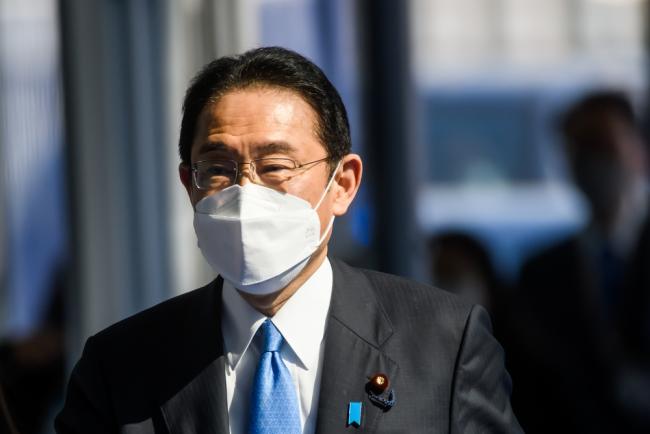
Japan’s Africa policy: Back to basics in times of crisis
Addressing remotely the 8th Japan-Africa TICAD Summit held in Tunis between August 27th and 28th, Japanese Prime Minister Fumio Kishida pledged $30 billion in public and private contributions to the African continent over the course of the next three years. This is a quite a remarkable move, as no specific amount was mentioned by the late Prime Minister, Shinzō Abe, at the previous TICAD 7 in 2019. By doing so, Japan aims at demonstrating that its commitment to Africa is solid and sustainable: its traditional approach towards a human-centered development is more relevant than ever in these times of crisis (between the pandemic, the war in Ukraine, and the adverse effects of climate change), and clearly marks a difference from China’s practices.
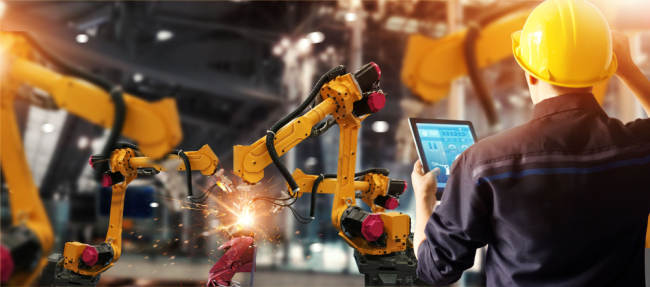
Reindustrializing France: Challenges of the Digital and Environmental Transformation
To succeed in the challenge of reindustrializing France, French and European companies must undertake a dual process of digital and environmental transformation, in a context of international competition.

War in Ukraine: A New World?
Beyond the tactical sphere, the conflict in Ukraine has already had numerous repercussions, and its conclusion will provoke many more in the global system. In this special issue, Politique étrangère explores some potential outcomes.

The War in Ukraine: Echoes of Korea?
The war in Ukraine has revived discussion about the Washington-Beijing-Moscow triangle as well as Europe’s place in the geopolitical power struggles.

War in Ukraine: An Embarrassment for Beijing
From the beginning of the war in Ukraine, Beijing has adopted an outward posture of neutrality while in fact supporting Moscow.
German Defense Policy: A Historic Turning Point?
The war in Ukraine has been a rude awakening for Berlin.