


A Brave New World for Trade
The global environment for trade is undergoing significant changes. New emerging players such as China are aiming to adapt the rules and institutions inherited from the postwar Bretton Woods system.
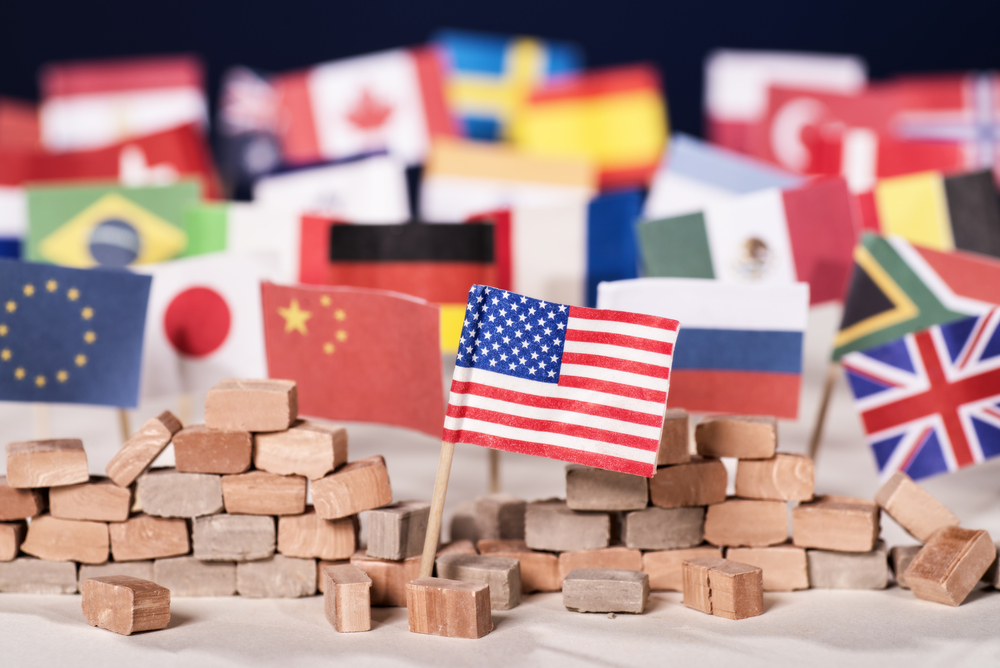
With the administration of Donald Trump, the US is revising its international posture to adopt a more inward-looking and unilateral attitude under the motto of “America First” that jeopardizes the dynamics for multilateral engagements and more liberal and ambitious norms for trade. Against this background, major economic powerhouses such as the EU and Japan are adjusting their strategy to fight back against protectionism and to uphold high-level principles for future practices for trade.
This note offers the main conclusions of the discussions held during a conference at Ifri, on November 15, 2017.
This page contains only a summary of our work. If you would like to have access to all the information from our research on the subject, you can download the full version in PDF format.
A Brave New World for Trade



Céline PAJON
Research Fellow, Head of Japan and Indo-Pacific Research, Center for Asian Studies, Ifri

Center for Asian Studies
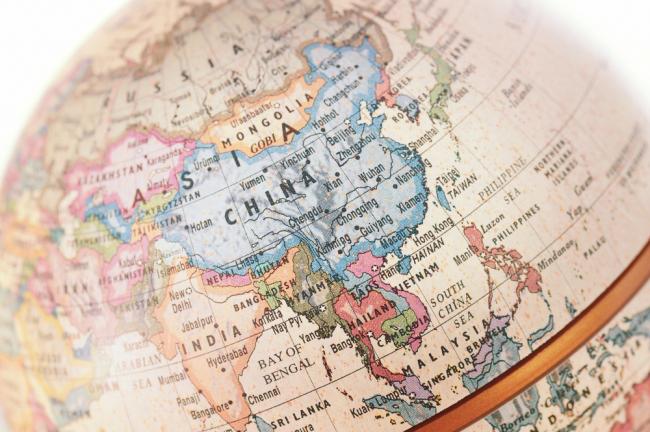
Asia is a nerve center for multiple global economic, political and security challenges. The Center for Asian Studies provides documented expertise and a platform for discussion on Asian issues to accompany decision makers and explain and contextualize developments in the region for the sake of a larger public dialogue.
The Center's research is organized along two major axes: relations between Asia's major powers and the rest of the world; and internal economic and social dynamics of Asian countries. The Center's research focuses primarily on China, Japan, India, Taiwan and the Indo-Pacific, but also covers Southeast Asia, the Korean peninsula and the Pacific Islands.
The Centre for Asian Studies maintains close institutional links with counterpart research institutes in Europe and Asia, and its researchers regularly carry out fieldwork in the region.
The Center organizes closed-door roundtables, expert-level seminars and a number of public events, including an Annual Conference, that welcome experts from Asia, Europe and the United States. The work of Center’s researchers, as well as that of their partners, is regularly published in the Center’s electronic journal Asie.Visions.

Japan’s Energy Policy after Hormuz. Security, Competitiveness, and Decarbonization
The 2026 Hormuz crisis has strengthened rather than weakened the rationale for Japan’s decarbonization strategy, contrary to what might have been expected. Rather than energy policy supplanting climate policy, the two should actually be viewed as inseparable.

Japan and Nuclear Weapons: Between Extended Deterrence and Normative Dilemmas
Since the late 1950s, Japan’s nuclear weapons policy has been based on the coexistence of two competing normative rationales: the rejection of nuclear weapons, rooted in the legacy of Hiroshima and Nagasaki, and the recognition of the central role of US extended nuclear deterrence for Japan’s security.

Japan’s Defense Industry Goes Global: Ambitions and Challenges

Fragmented Europe: Dealing with China as a technology and innovation power
How is Europe navigating China’s ascension as a technological power? The latest report by the European Think-tank Network on China (ETNC) provides a nuanced account of a converging, yet still fragmented approach across 22 countries.