
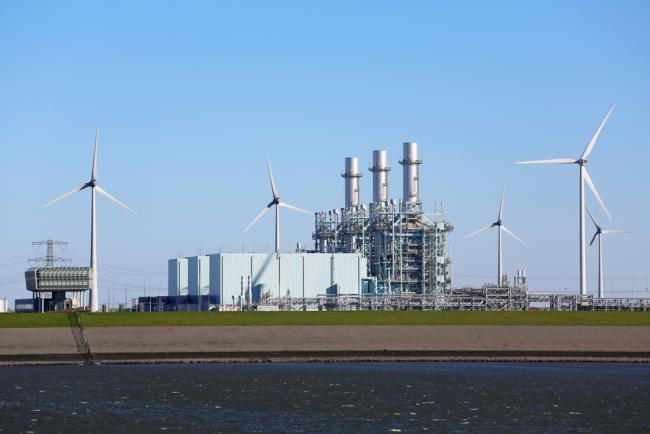
The Energy Price Crises: A Reality Check for Europe’s Green Deal
On its path to carbon neutrality, the European Union (EU) will be exposed to growing energy price volatility and vulnerable to Russian and Chinese pressure on supply and demand.
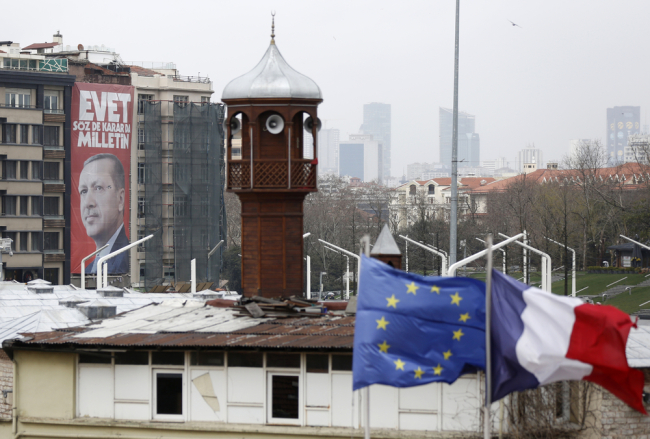
Building European Strategic Autonomy vs. Turkish Strategic Depth: Macron's Diplomatic Gamble
Since coming into office in 2017, Emmanuel Macron has been the loudest advocate for the development of European ‘strategic autonomy’, which aims at reinforcing the European Union’s geo-strategic independence. Asserting the EU’s role on the international stage, starting with its immediate neighborhood, directly clashes with Recep Tayyip Erdogan's long-term expansion strategy in several key areas.
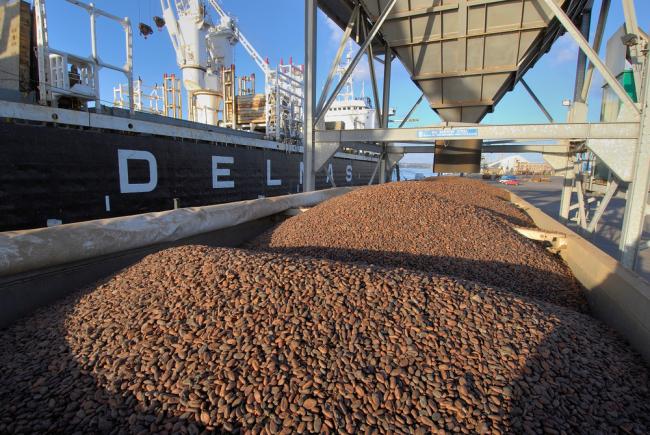
A Strategy for Solving Europe’s Imported Deforestation Problem
The European Union (EU) is the world’s main trader in agricultural products, with imports totaling €142 billion in 2020. These imported agricultural products include commodities – palm oil, beef, cocoa, coffee, soy, etc. – that are responsible for deforestation in producing countries and thus create an “imported deforestation” problem for Europe.

Strategic Calculation: High-Performance Computing and Quantum Computing in Europe’s Quest for Technological Power
Computing power plays a key role in enabling machine learning, for scientific research, and in the military domain. Therefore, the race for computing power has become a key element of the US-China technological competition, and it is also a strategic priority for Europe.


China Bristles as EU Turns Its Attention Toward Indo-Pacific
Recent months have seen the United States and its allies step up their assertiveness toward China, with support voiced for Taiwan, a new deal to provide Australia with nuclear submarines and a new European strategy for increased presence in the Indo-Pacific, according to the Associated Press.

Europe/United States: 50 Shades of Dependence
Is Joe Biden’s United States (US) returning to multilateral, traditional diplomacy? This more open stance does not eliminate either its domestic problems or the divergence in interests separating the US from the Europeans: how will open diplomacy fit in with the priority of defending US interests? Will Washington organize a broad anti-Chinese coalition that the Europeans are opposed to? Will sanctions with their resulting effects remain at the heart of US strategy? Will the Europeans be able to assert their sovereignty in the key area of new technologies against the US giants?
The European Union: Caught Between the United States and China
The United States and the European Union (EU) are now both in agreement regarding China – long viewed benevolently – as a systemic rival in the international order.

The Changing Landscape of European Cloud Computing: Gaia-X, the French National Strategy, and EU Plans
Non-European cloud service providers host the vast majority of European data, which is viewed as an economic as well as a political problem. Gaia-X, European governments and the European Union aim to bolster the European cloud market while responding to data privacy and cybersecurity concerns.
Europe, Power and Finance
Finance has become an essential attribute of power. Its importance has grown given the substantial investments needed for the energy and digital transitions as well as the need to support economies affected by the COVID-19 pandemic.

USA/Europe: Seven Digital Challenges
As a consequence of the positive momentum in Transatlantic relations brought about by the arrival of the Biden administration, significant progress is expected on a range of key digital issues.
Can the Biggest Emitters Set Up a Climate Club? A Review of International Carbon Pricing Debates
The world’s largest emitting countries are reconsidering the role of carbon pricing instruments and increasingly looking at carbon border adjustment mechanisms (CBAMs) to address leakage concerns. This renewed momentum should trigger a broader discussion on how to make trade policies compatible with the climate agenda.
Is the TEN-E Regulation Fit for a Decarbonized Future? A Battle to Shape the European Energy Transition
The European Union’s energy infrastructure policy has become obsolete with the adoption of both the Green Deal and the 2050 climate neutrality target. The ongoing review of the regulation on Trans-European Energy Networks (TEN-E) should lead to an-depth discussion on Europe’s energy transition strategy.
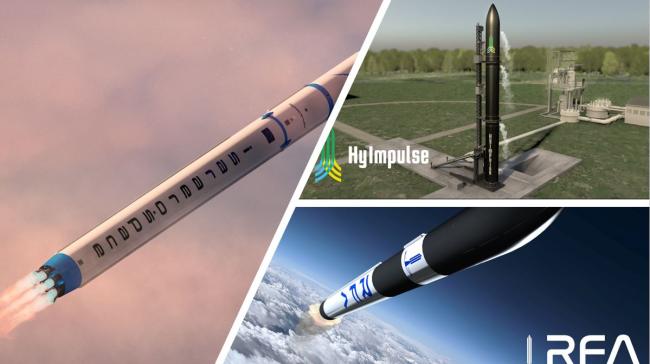
Commercial Space in Europe: A Balancing Act between Physics, Politics and Profession
Satellite constellations have become core elements of the digital transition. Over the next decade, several thousand satellites will have to be launched, to build these constellations. For positioning satellites, preferably in Low Earth Orbit (LEO), reliable and affordable launch services are essential.

China's Soft Power in Europe: Falling on Hard Times
Analysis from 17 countries and EU institutions reveals that Chinese soft power in Europe – defined as the ability to influence preferences through attraction or persuasion – has seen better days.
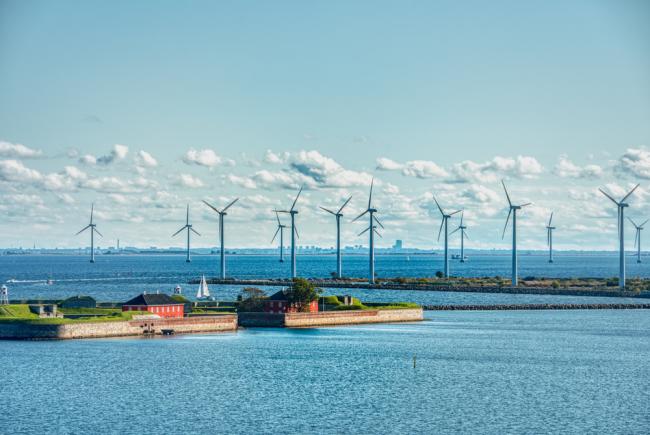
Denmark: A Case Study for a Climate-Neutral Europe
In recent years, Denmark has steadily emerged as a leader and role model in the global green energy transition. Its greenhouse gas (GHG) emissions since 2010 have been reduced at greater pace than those of the European Union (EU) average.
From the Digital Levy to the Taxation of Multinationals: Joe Biden's Tax Revolution
The Organisation for Economic Co-operation and Development (OECD) is conducting important negotiations this spring to reform international taxation.
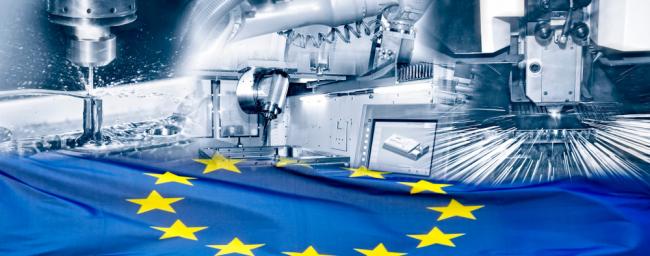
Green Batteries: a Competitive Advantage for Europe’s Electric Vehicle Value Chain?
Aligning its climate and industrial policies, the European Union (UE) is introducing sustainability requirements for the whole life-cycle of electric vehicle (EV) batteries. This initiative would not only ensure that EVs fit with Europe’s climate-neutrality and resource-efficiency pledges, but also give European new entrants a better chance to compete.
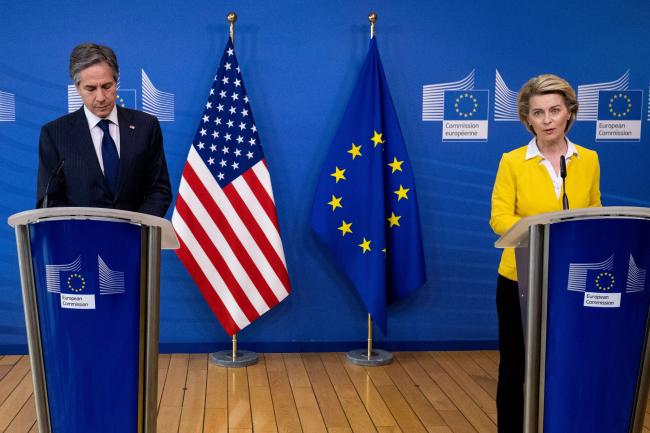
Europe in the Geopolitics of Technology: Connecting the Internal and External Dimensions
To respond to growing global competition, the EU has made notable progress on the internal dimension of technology policy over the past 3 years. It is now also seeking to adapt its foreign policy – from the transatlantic relationship to global partnerships – to technological challenges.
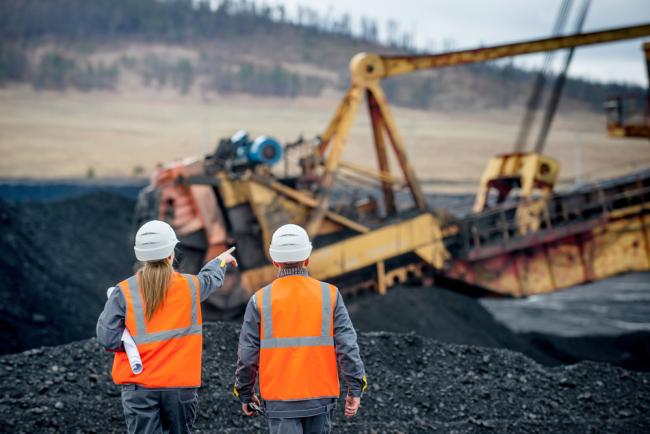
Consequences of the coal phase-out on the electricity production in Germany: a best practice model for Europe?
2020 marked the beginning of the total phasing out of electricity production based on coal, as well as coal extraction in Germany. Laws implemented in 2020 concluded a governmental process started in 2015, which itself resulted from a prior broader debate on the role of coal in a viable and sustainable energy and economic system.
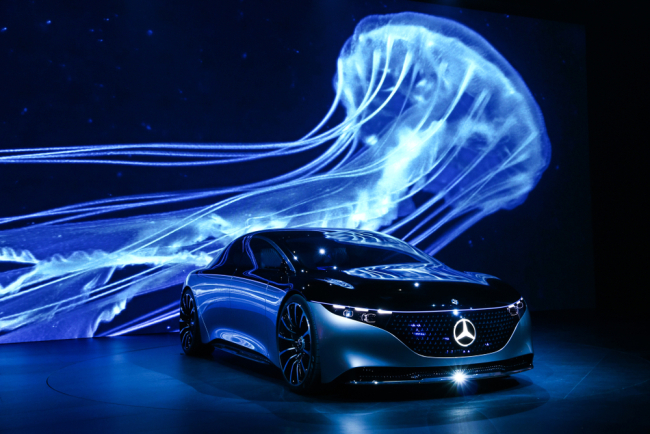
The Automotive Industry: The Achilles’ Heel of German Economy?
The global car market has been shrinking since 2018. This is a key economic sector for Germany whose producers belong to the Top 15 carmakers worldwide. Yet they are running the risk of being outclassed and eventually replaced, given emerging actors in the USA and China.
Ifri, a foundation recognized as being of public utility, relies largely on private donors – companies and individuals – to guarantee its sustainability and intellectual independence. Through their funding, donors help maintain the Institute's position among the world's leading think tanks. By benefiting from an internationally recognized network and expertise, donors refine their understanding of geopolitical risk and its consequences on global politics and the economy. In 2026, Ifri partners with over 90 French and international companies and organizations.