


Titre
Events
Filter results

Boosting Electrification in Europe and the Resilience of Critical Value Chains
Ifri is hosting a high-level closed-doors discussion aimed at creating a shared space for open and operational reflections on the future of EU’s technological and industrial resilience against the backdrop of ever-more fraught geopolitics, eroding energy intensive industries, mounting value chain vulnerabilities, and populism.

New geopolitical realities of the Arctic
Donald Trump’s announcement in January 2025 of his intention to seize Greenland has brought the Arctic back to the forefront of great power rivalries.

US-China-Taiwan Relations: What to expect in the Trump II era?
As tensions in the Taiwan Strait continue to rise, what will be the US strategy under the new Trump presidency?

France and Germany Face the Challenge of the Trump Administration II
Conference with Anne-Marie Descôtes, Secretary-General of the French Ministry for Europe and Foreign Affairs, and Thomas Bagger, State Secretary of the German Federal Foreign Office.

A New Security Landscape in Northern Europe: building up France-Finland partnership for the future
As security tensions mount in Europe's far north, particularly as a result of Russian destabilization and intimidation, France and Finland are developing their defense cooperation and strategic partnership. On this occasion, Ifri welcomes French and Finnish decision-makers and experts to discuss opportunities for strengthening Franco-Finnish cooperation, taking into account current strategic challenges and future prospects.

Paris Naval Conference 2025: Naval Power in support of Maritime Economy
This third edition of the Paris Naval Conference (CNP), bringing together high-level speakers from the military, industry and academia, aims to address the issues of securing the maritime economy for the world's navies.

European Competitiveness: Challenges for Germany and France
The competitiveness of the European Union (EU) has become one of the main challenges for the new European Commission. To ensure Europe's competitiveness, prosperity, and global role as a long-term geopolitical player, efforts must be made to bridge the gaps in growth, productivity, investment, and innovation between the EU and its main competitors.
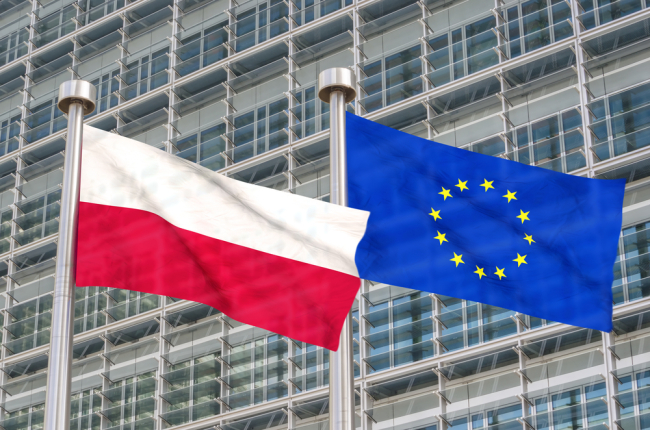
Affirming European security in times of uncertainty. Poland’s priorities of its presidency of the Council
Poland will assume the presidency of the Council of the EU throughout the first semester of 2025, when geopolitical tensions are likely to peak.
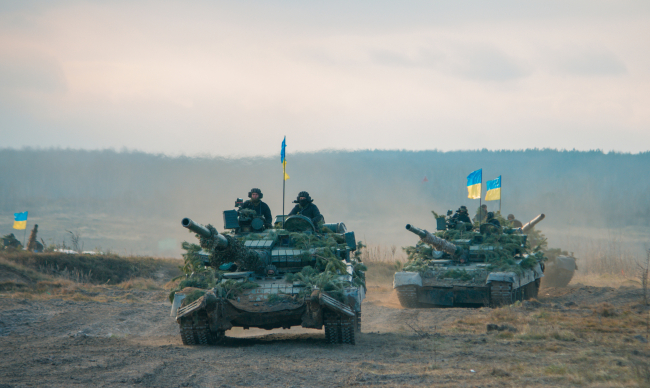
Reading the Russian-Ukraine War: A Look at Western Analytic Failures
After three years of war, the situation in Ukraine is still dire, with a lot of uncertaineties on the battlefield. But this fog of war has begun from the very outset of the conflict. Strategic research and analyses have been marred with biases and misjudgments that tell a different story about Western perception and preferences in warfare. This is the claim of a CSIS report authored last September by Prof. Eliot A. Cohen, Prof. Phillips O'Brien and foreword by Prof. Hew Stracham.
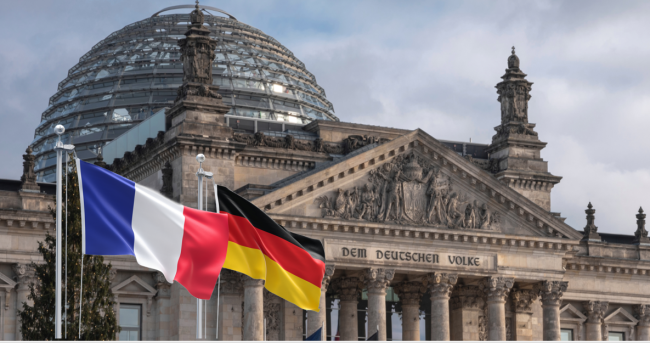
70 Years of Franco-German Relations: Between Heritage and Future Challenges
The Study Committee on Franco-German Relations (Cerfa) is celebrating its 70th anniversary this year.
The Cerfa was created in 1954 by an intergovernmental agreement between the Federal Republic of Germany and France, against a backdrop of Franco-German reconciliation. Belonging to the French Institute of International Relations (Ifri) since its creation in 1979 by Thierry de Montbrial, it is one of its pillars.
Event Series
Brown Bag Seminar Series
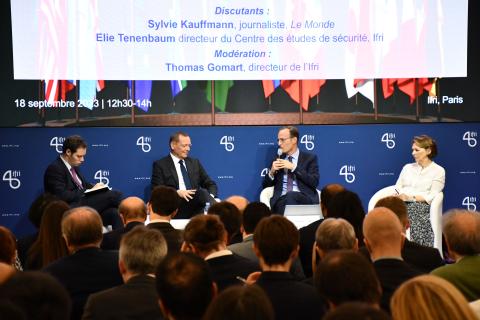
The Ambassadors’ Table
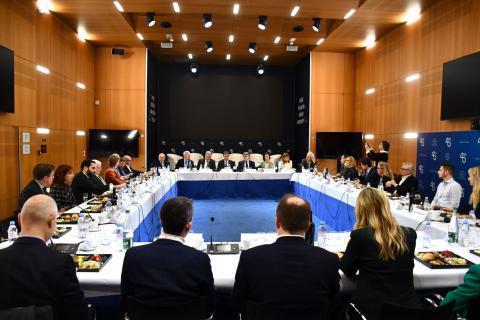
Expert Briefings

Executive Chairman’s Events
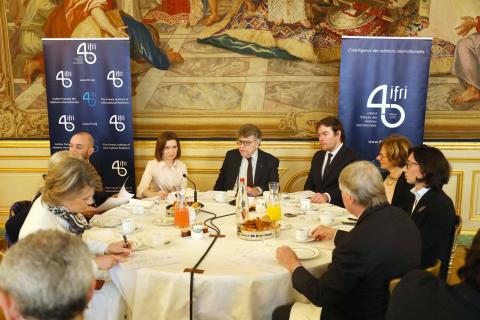
Ifri's Corporate Table
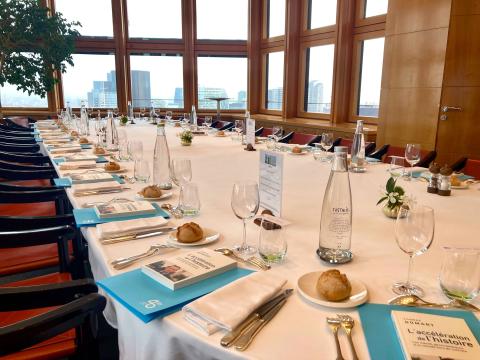
Latest retrospectives

China’s Nuclear Buildup: Developments, Drivers, and Implications for Major-Power Relations and Arms Control
China has been steadily expanding its nuclear arsenal for several years amid levels of geopolitical tension unseen since the end of the Cold War, marked by a resurgence in nuclear proliferation and a broader, global arms race.

A New Moment for Central Europe? Regional Cooperation in a Time of European Strategic Choices
Recent political developments in Central Europe have revived the debate about the future of regional cooperation and the Visegrád Group. Changes in Hungary, Poland, the Czech Republic and Slovakia, together with Austria’s growing interest in closer cooperation with its neighbours, could create new opportunities for dialogue and coordination around shared priorities.

COP31 in Antalya: State of the Global Climate Governance, Issues, Perspectives
COPs have become a year-end marathon to revigorate a world now entering the era of climate overshoot. While Türkiye exhibits the largest coal-fired power generation in OECD Europe, it has embraced the electrification agenda and aims at joining forces with Australia on fostering action and implementation. This is an unusual de facto co-presidency arrangement, but one that could yield promising results. This webinar will take stock of what climate governance has achieved and of the issues still to be negotiated, and explore what impetus this Turkish–Australian partnership could provide.
Titre événement en image
Ifri in Pictures


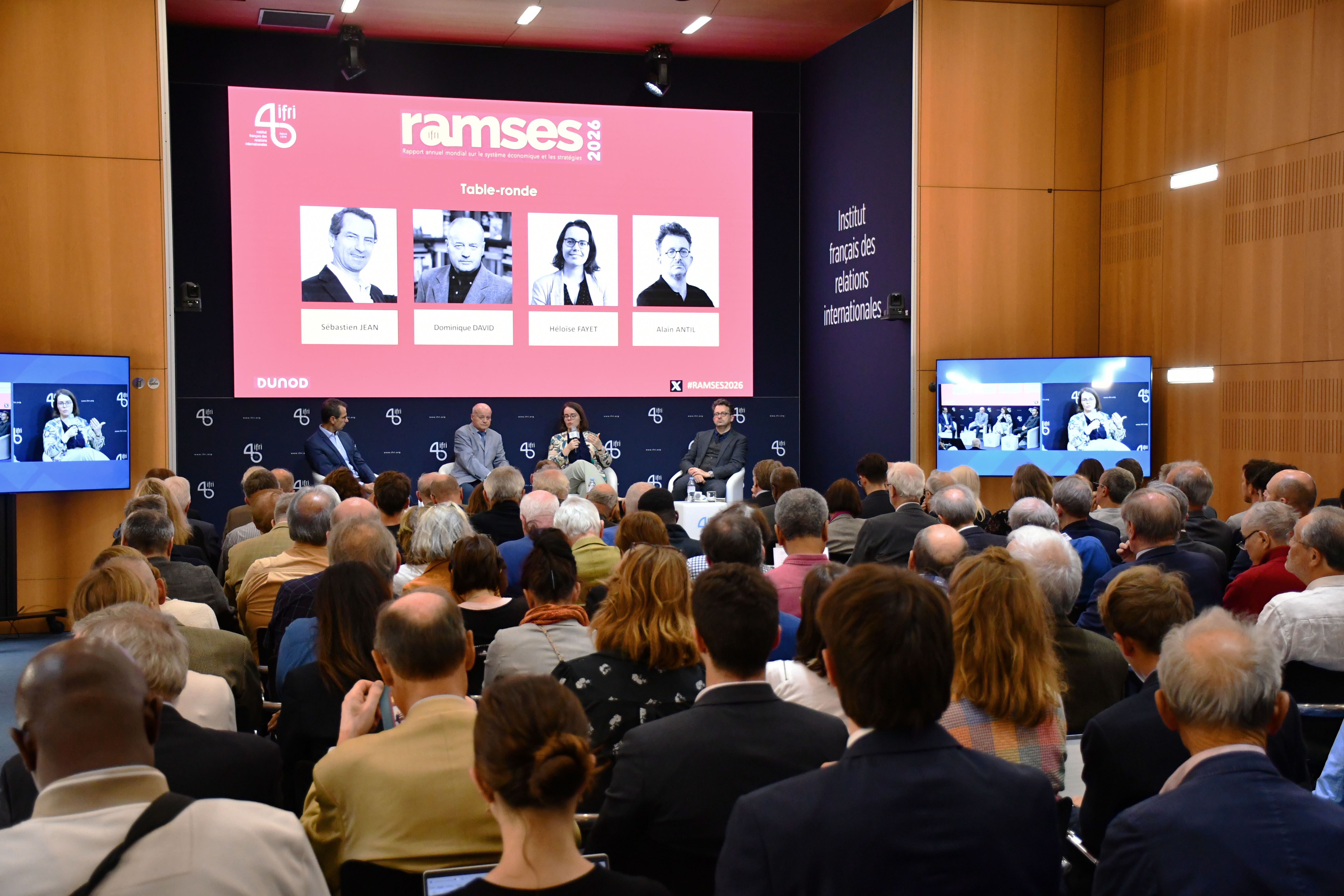
Ifri, a foundation recognized as being of public utility, relies largely on private donors – companies and individuals – to guarantee its sustainability and intellectual independence. Through their funding, donors help maintain the Institute's position among the world's leading think tanks. By benefiting from an internationally recognized network and expertise, donors refine their understanding of geopolitical risk and its consequences on global politics and the economy. In 2026, Ifri partners with over 90 French and international companies and organizations.