


Elections
The electoral process sets the pace for democratic life and international news. In some countries, elections are no more than a façade for democracy.
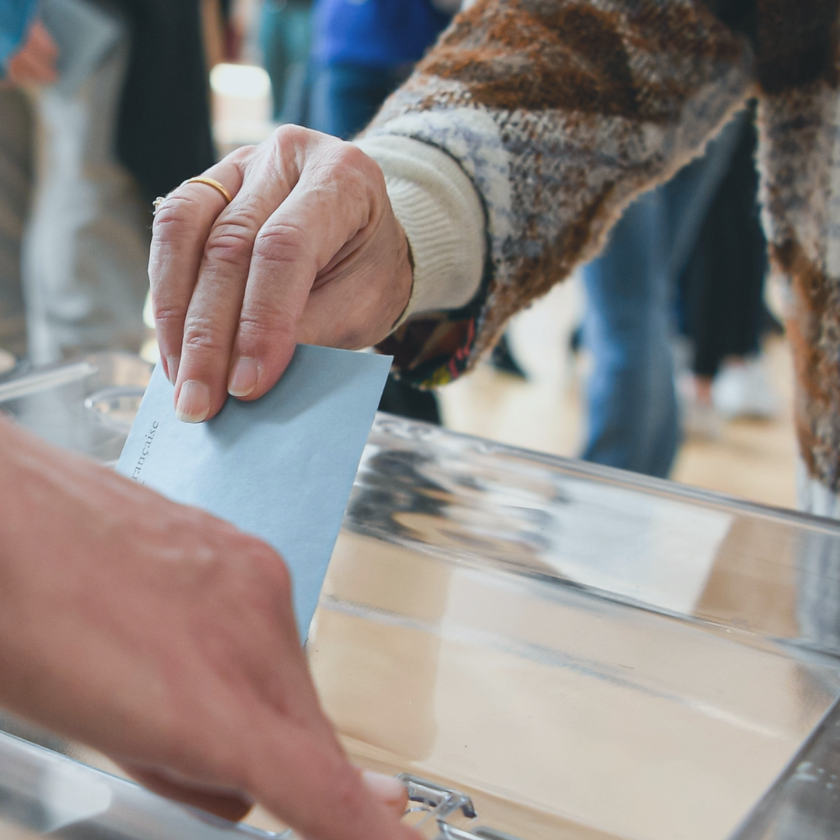
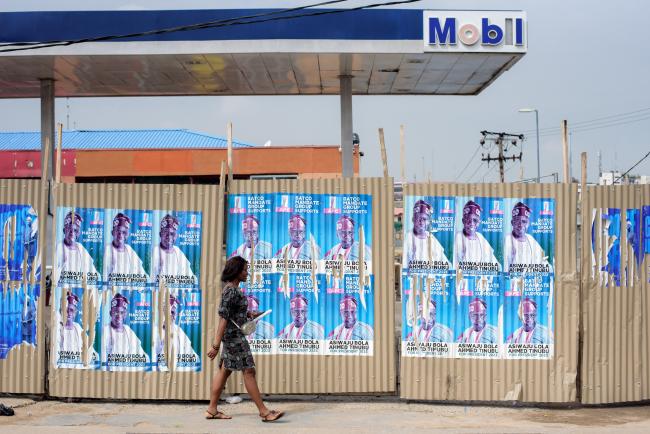
Nigeria’s 2023 Election: Democratic Development and Political Fragmentation
Nigerians will go to the polls on February 25 to elect a new president and members of the National Assembly. This marks the 7th in an unbroken sequence of presidential elections held since the country’s return to democracy in 1999.
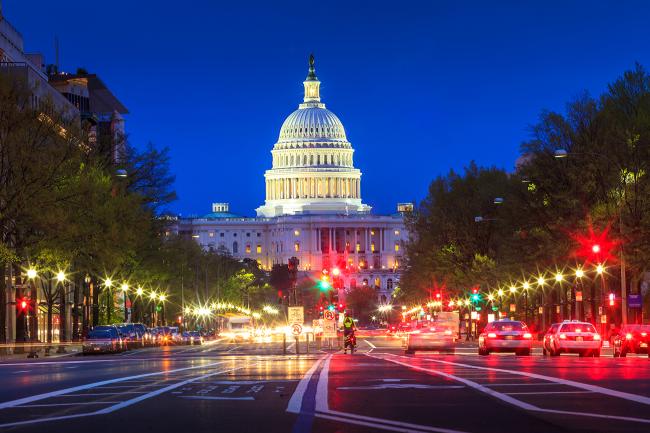
The U.S. Political Landscape Two Months Before Midterms. Can the Democrats Avoid Defeat?
The Biden Administration has succeeded this summer in passing several important pieces of legislation. In addition to progressive societal measures that break with the Supreme Court's rulings, the Administration has focused on the economy and the environment: the CHIPS Act and the Inflation Reduction Act promote the relocation of semiconductor and electric vehicle battery plants.

Governing in coalitions: Commonplace throughout Europe, an oddity for France
French President Emmanuel Macron will have to rule with only a relative majority in Parliament – an anomaly in recent French history, but a common practice in Europe.

Emmanuel Macron: The Preferred Choice for Taipei and Beijing
The second round of the French presidential election on April 24 will decide whether Emmanuel Macron, the incumbent president, or Marine Le Pen, the leader of the far right nationalist party Rassemblement national (national gathering), will become president of the French Republic for the next five years.
What foreign policy for Germany after the end of the Merkel era?
One cannot help but wonder about Germany’s future foreign policy when one considers both the weight of the Federal Republic and the many crises we face internationally.
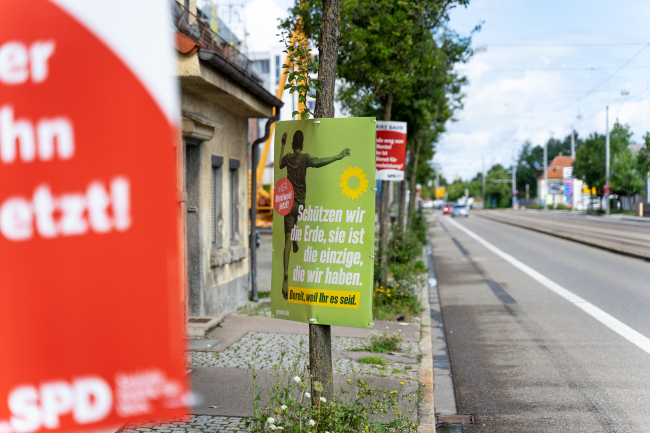
A Changing Germany: The Party System Tested in the 2021 German Federal Elections
The German federal elections of September 26, 2021 were marked by the departure of the outgoing chancellor, Angela Merkel, who was not seeking re-election. The scattering of the vote and the high volatility of voters have led to a redefinition of the landscape and geography of parties in Germany.

Germany's FDP holds Strong Cards in Post-Election Haggling
Buoyant from its best election result in 10 years, Germany's liberal FDP party looks set to play a outsized role in coalition negotiations to form the next government.
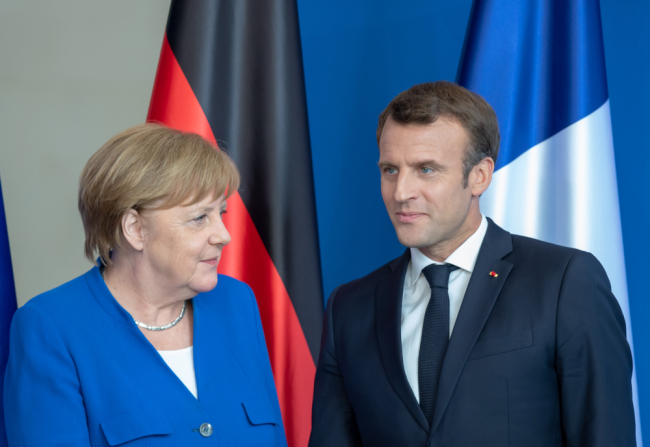
The Future of the Franco-German Tandem
At the heart of the European project, the Franco-German tandem provides impetus for further integration within the EU. However, Brussels is yet to decide which direction it wants to take, and the French and Germans still have to agree on their position with regards to economics, foreign affairs, and enlargement.
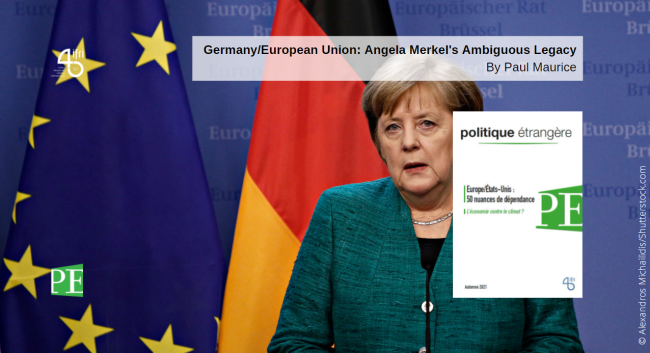
Germany/European Union: Angela Merkel’s Ambiguous Legacy
Angela Merkel is ending her fourth term as German Chancellor. Although she has made a number of statements demonstrating her commitment to the European project, her record in this area nevertheless appears to be mixed.
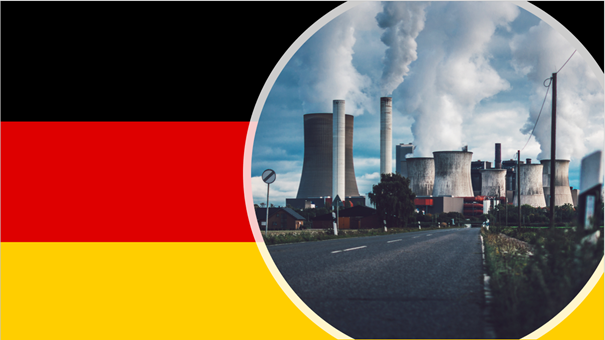
Facing a Wall: Climate in the German Elections and Perspectives for France
All key candidates have climate neutrality by 2045 in sight, yet Germany is preparing to embark on a high-speed decarbonization train that has neither enough power nor rails to lead to its final destination. Beyond slogans and principles, effective strategies have often been missing.

Armin Laschet: Merkel’s heir apparent?
Angela Merkel has governed Germany for 16 years and proven a reliable ally both in Europe and for the world. Will her party colleague hoping to succeed her follow in her footsteps or diverge from her path in order to forge his own legacy?
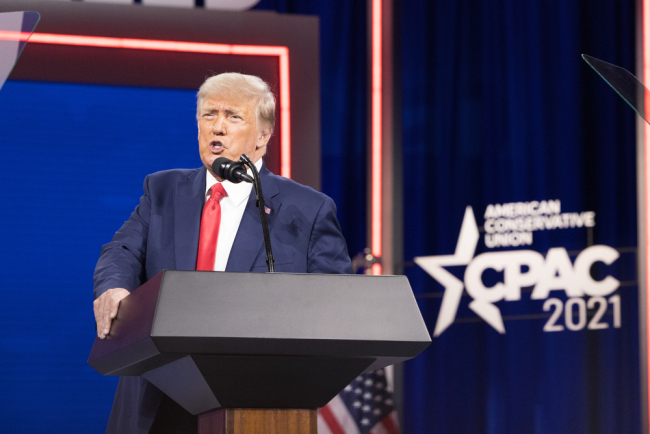
Trump and the Republican Party: electoral defeat, ideological victory?
During Donald Trump’s four-year term, many new Republican candidates have been elected to Congress. Often backed by the former president from the GOP’s primaries, they were chosen for their devotion towards him and their support for his policies : moral conservatism and laissez-faire attitudes towards fiscal and environmental issues are old Republican tenets taken over by Trump, while nativist and economic nationalism (based on anti-immigration and protectionist policies respectively), as well as the portrayal of White people without college degree as an oppressed minority are fresh precepts brought forward by the former populist President.
The China dilemma from Trump to Biden: one consensus and three worldviews
The United States underwent a fundamental transformation in its stance on China during the Trump presidency.

France prepares for Departure of Sometimes Reluctant Partner and Rival Merkel
Macron set to become the uncontested leader of Europe with German chancellor’s exit. Chancellor Angela Merkel was not naturally inclined to focus on Franco-German relations. “She comes from the former East Germany, and her experience was of east bloc countries, especially Russia, ” says Sabine Rau, Paris bureau chief for the German public television network WRD.
Advancing Europe: Green for Danger?
In France, the prospect of the Greens entering the German government this fall raises both hopes and fears.
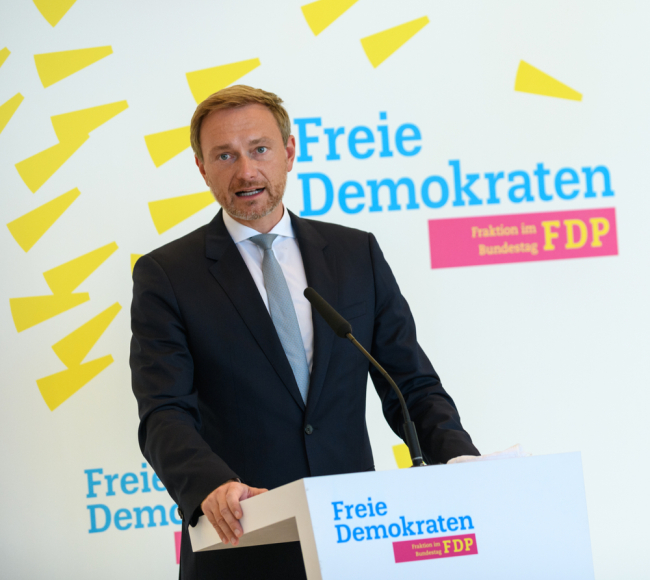
The Free Democratic Party (FDP): Liberal Corrective Again After the 2021 Bundestag Election?
After the regional elections in Rhineland-Palatinate and Baden-Württemberg in March 2021, the FDP is attracting more attention again, mainly because of its traditional role as a coalition party.
How Can American Democracy Be Fixed?
The end of the Trump presidency has demonstrated both the strength of institutions and their weakness.
What Is Left and to Whom? Germany’s Left-wing Party Die Linke and the Search for Its Identity
In late February 2021, Germany’s left-wing party Die Linke gave themselves a new party executive. The new team is supposed to lead the party into the federal elections in September and, if possible, into a national center-left government.
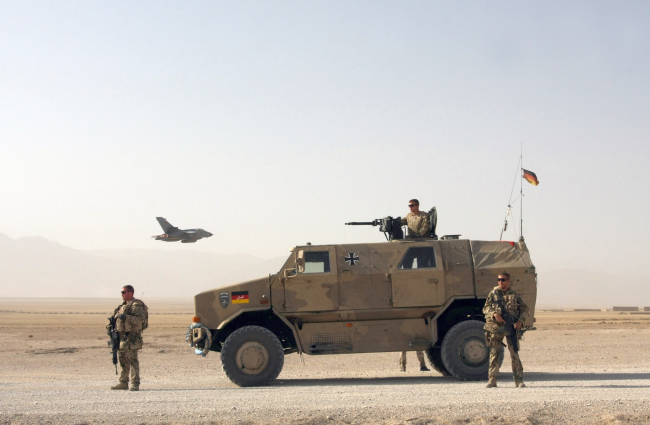
Circumstantial Pacifism: Political Parties and the Participation of the Bundeswehr in Foreign Operations
In Germany's parliamentary democracy, political parties play an important role in mandating Bundeswehr missions abroad and in overseeing their deployment. The political debate on these deployments is polarized between opponents, who are called “pacifists”, and supporters, who are called “militarists”.
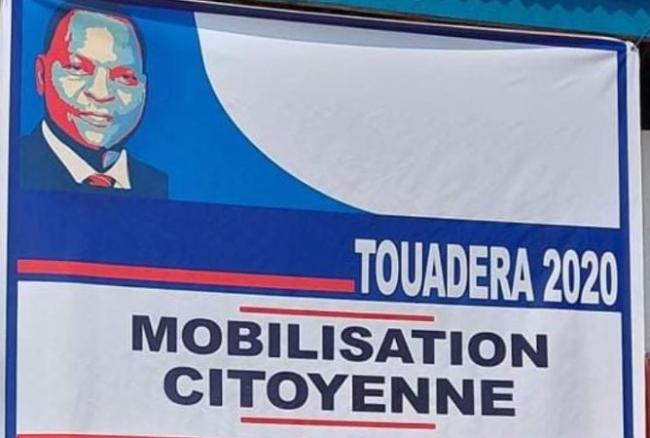
Central African Social Media at the Dawn of the Elections : An Advanced Symptom of a Coming Political Crisis
Although the Central African Republic remains a very weakly connected country with an Internet penetration rate of 14% in 2020, citizens begin to appropriate the use of social networks.
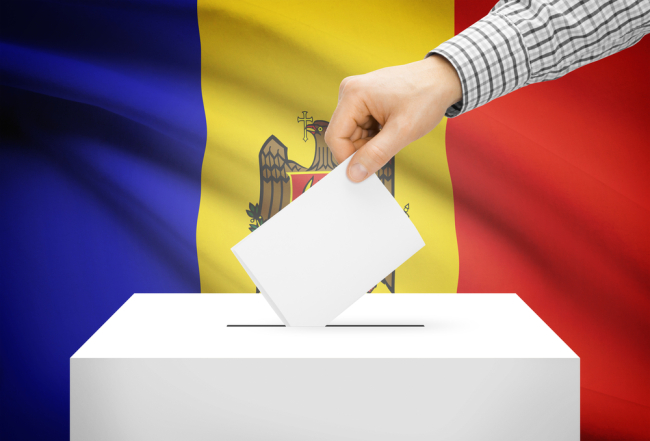
Moldova’s Foreign Policy after 2024 Presidential Elections: Staying on the EU Path, Moving Eastwards or Becoming Multi-vector?
The future of Moldova’s foreign agenda will undergo a stress test during the upcoming presidential elections on October 20, 2024.
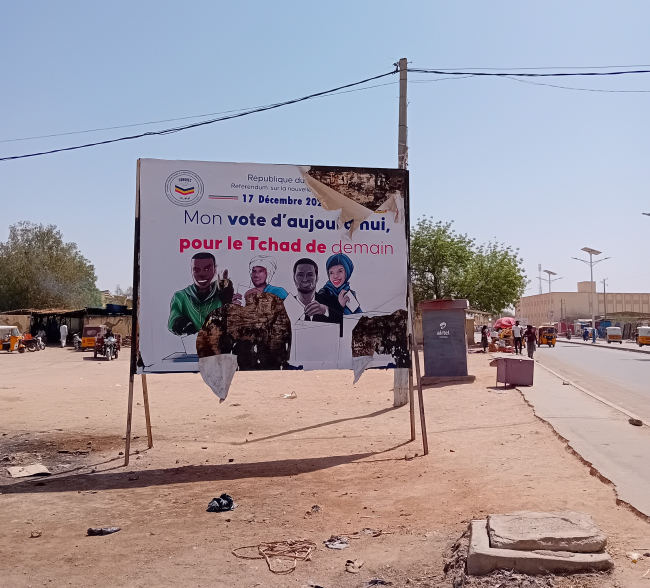
Chad: from Deby to Deby. Recipes for a successful succession (2021-2024)
As in Togo and Gabon, the transition that took place in Chad from 2021 to
2024 resulted in a dynastic succession. Mahamat Idriss Deby succeeded his
father, Idriss Deby Itno, who was President of Chad from 1996 to 2021. While
the majority of Chadians were hoping for a change of government, the “Deby
system” has managed to hold on.

State Elections in Thuringia, Saxony and Brandenburg - Extreme Parties on the Rise?
The Alternative for Germany (AfD) became Germany's strongest political force in the regional elections in Thuringia and Saxony.
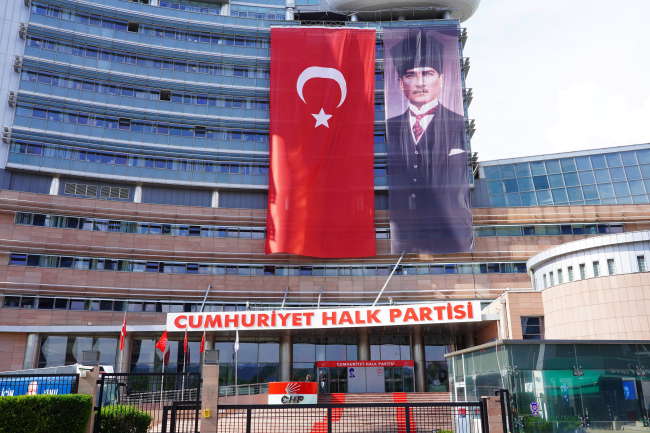
Is the Republican People’s Party (CHP) Rising from the Ashes?
The victory of the CHP [Cumhuriyet Halk Partisi, Republican People’s Party] in the Turkish municipal elections of March 2024 firmly established it as the leading party of opposition to the Islamic-conservative AKP [Adalet ve Kalkınma Partisi, Justice and Development Party], which has been in power since 2002.

Balancing Security and Innovation: Opposition's View on Turkey's Digital Policies
The upcoming presidential and parliamentary elections in Turkey on May 14, 2023, are expected to be closely contested. Polls suggest that the ruling AK Party-led People’s Alliance will lose its majority in parliament, resulting in a hung lower house.
Emmanuel Macron: The Preferred Choice for Taipei and Beijing
The second round of the French presidential election on April 24 will decide whether Emmanuel Macron, the incumbent president, or Marine Le Pen, the leader of the far right nationalist party Rassemblement national (national gathering), will become president of the French Republic for the next five years.
Ramaphosa’s Presidency: What Has Changed?
On the eve of the 25th anniversary of democracy in South Africa, the African National Congress (ANC) still holds power in a nearly hegemonic way. Nevertheless, the popularity of the party is decreasing while economic and social inequalities are deeply entrenched in the country.
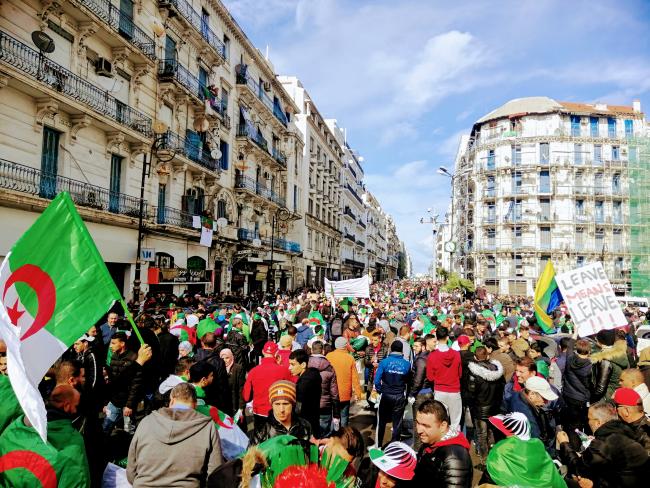
A Protest Made in Algeria
Since February 22, thousands and then millions of Algerians have taken to the streets every Friday to protest against the fifth term of their ailing eighty-two-year-old president, Abdelaziz Bouteflika.
The Waning of Universalism
During the 19th century, Westerners provided ideological justifications for their colonization, namely spreading the Enlightenment across the globe. This project was received favorably until the second half of the 20th century. Over the last 20 years, it has met new hostility. The “universal values” promoted by the West are viewed today as a form of imperialism to be opposed – especially by China, Russia and Turkey.
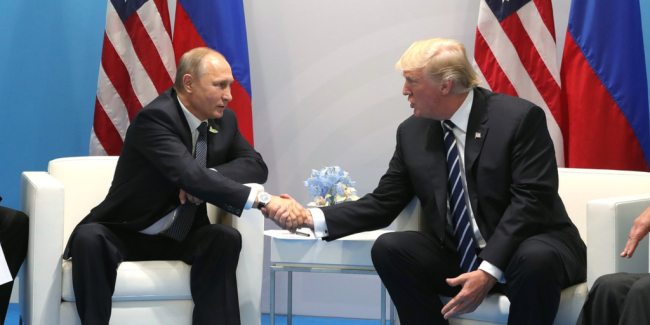
In Helsinki, Putin Can Grant Trump Great Success, of Sorts
The July 16, 2018, face-to-face between President Trump and Russian President Vladimir Putin is both entirely natural and extremely unconventional, very encouraging and deeply disturbing.
Ifri, a foundation recognized as being of public utility, relies largely on private donors – companies and individuals – to guarantee its sustainability and intellectual independence. Through their funding, donors help maintain the Institute's position among the world's leading think tanks. By benefiting from an internationally recognized network and expertise, donors refine their understanding of geopolitical risk and its consequences on global politics and the economy. In 2026, Ifri partners with over 90 French and international companies and organizations.