





3463 publications
"Post-Conflict" Democratization in Central Africa: An Anatomy of Failure
To create a political shift that draws a line under conflict once and for all, it is not always enough to draft a democratic constitution and call elections.
The Paradoxical Progression of Democracy in Mauritania
Mauritania's political system displays certain democratic qualities that go some way to meeting international standards.
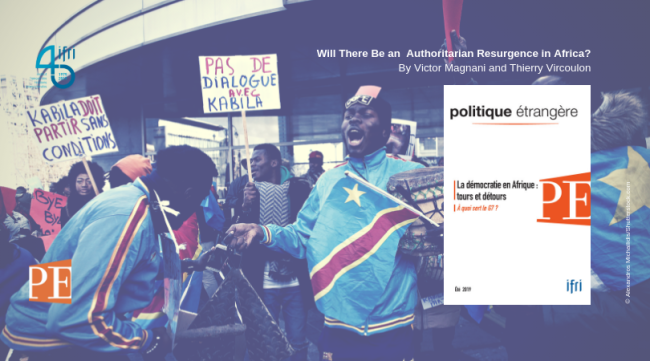
Will There Be an Authoritarian Resurgence in Africa?
Elections are held on a regular basis in various African countries, but democracy is far from flourishing.
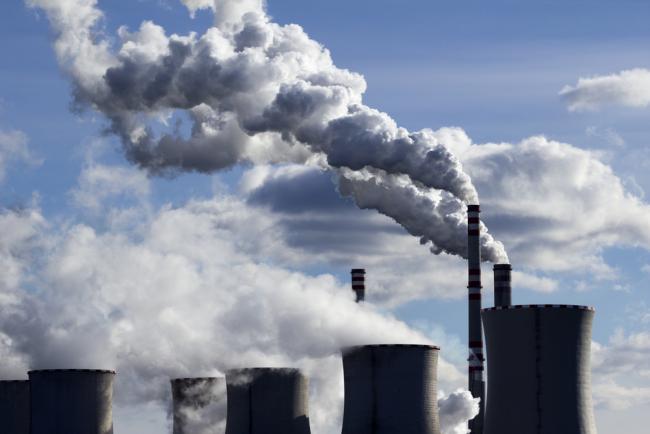
Carbon Capture, Storage and Utilization to the Rescue of Coal? Global Perspectives and Focus on China and the United States
In most of the pathways that limit global warming to 1.5°C, capture of CO2 from fossil-fuel or biomass-based installations and its long-term geological storage (carbon capture and storage - CCS and bio-energy with carbon capture and storage - BECCS) plays a crucial role.
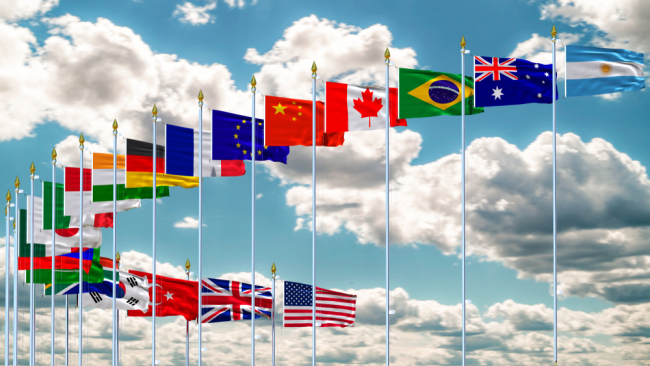
Sustaining Multilateralism in a Multipolar World. What France and Germany Can Do to Preserve the Multilateral Order
While international multilateralism is under strain, it is vital for France and Germany to defend it, since it is the most appropriate system for preserving their interests – particularly in terms of welfare, security, prosperity and environmental protection. Against this backdrop, three political fields offer opportunities for joint initiatives: trade, conventional arms control and climate change.
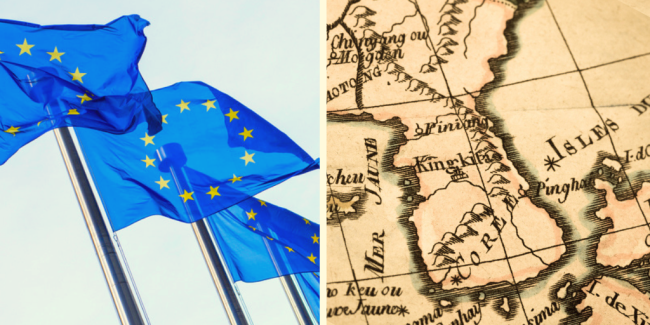
The European Union in Crisis: What Challenges Lie ahead and Why It Matters for Korea
The EU is currently undergoing serious challenges from inside such as Brexit and strengthening Euroscepticism, rising populism and changing political geography, anti-immigration moods as well as retarded economic recovery.
Where Is the SPD Going? The German Social Democrats and the Way out of Crisis
Whether we think of France, Greece, the Netherlands, Poland, Austria or Germany, the social democratic or socialist parties in Europe are losing ground or even facing dissolution. Ironically, the crisis of the Social Democratic Party of Germany (SPD) began with the resounding victory of Gerhard Schröder in 1998.
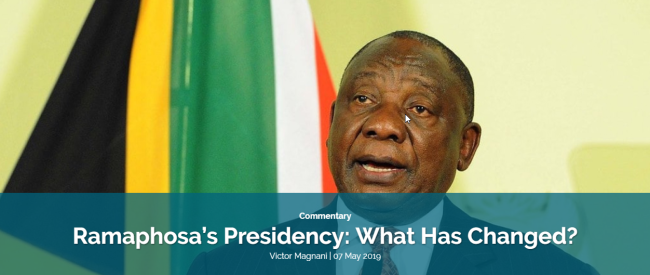
Ramaphosa’s Presidency: What Has Changed?
On the eve of the 25th anniversary of democracy in South Africa, the African National Congress (ANC) still holds power in a nearly hegemonic way. Nevertheless, the popularity of the party is decreasing while economic and social inequalities are deeply entrenched in the country.