


European Solar PV Manufacturing: Terminal Decline or Hope for a Rebirth?

While solar photovoltaic (PV) installations are booming in Europe (and in other parts of the world), the local industry is closing down. Over the past two years, the European installed solar PV capacity has been multiplied by two. On the other hand, the remaining European manufacturers of solar PV panels are dying.
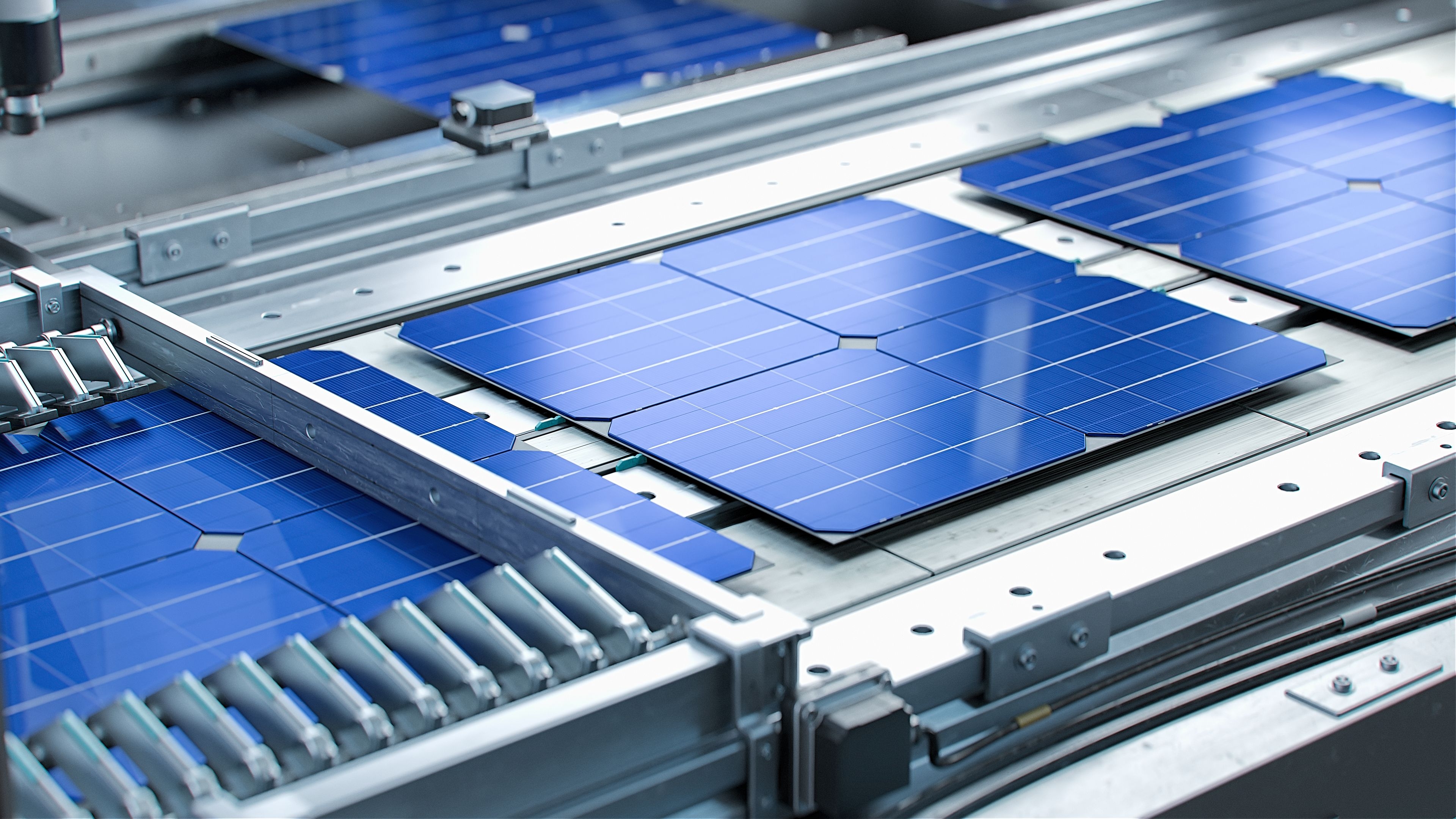
Installed solar PV capacities are experiencing an unprecedented increase in Europe: in two years, they have been multiplied by two with 60 gigawatts (GW) added in 2023. However, local solar PV manufacturers are not benefiting from it as the Chinese competition is knocking them down.
Structurally much more competitive, prices of Chinese solar panels have further decreased by 42% in 2023 – making it difficult even for some Chinese companies to survive and forcing many of the remaining European manufacturers out of the market.
This situation fragilizes Europe’s strategic autonomy and decarbonization. Covid-19-like disruption or an aggression against Taiwan would leave the continent without any supply. American manufacturers are also flexing their muscles with the aggressive Inflation Reduction Act.
Europe’s answer, the Net Zero Industry Act (NZIA), a tougher approach to China’s imports and national support measures, could create a new generation of solar PV manufacturers in Europe.

Available in:
Regions and themes
ISBN / ISSN
Share
This page contains only a summary of our work. If you would like to have access to all the information from our research on the subject, you can download the full version in PDF format.
European Solar PV Manufacturing: Terminal Decline or Hope for a Rebirth?


Thibaud VOÏTA
Associate Research Fellow, Energy and Climate Center, Ifri

Center for Energy & Climate
Ifri's Energy and Climate Center carries out activities and research on the geopolitical and geoeconomic issues of energy transitions such as energy security, competitiveness, control of value chains, and acceptability. Specialized in the study of European energy/climate policies as well as energy markets in Europe and around the world, its work also focuses on the energy and climate strategies of major powers such as the United States, China or India. It offers recognized expertise, enriched by international collaborations and events, particularly in Paris and Brussels.

Strategic Redundancy beyond Hormuz: Alternative Oil and Gas Corridors and Türkiye’s Emerging Role
The central question raised by the present crisis in the Gulf and the disruption of navigation through the Strait of Hormuz is not simply how quickly and lastingly normal flows can be restored, but whether the regional energy architecture can continue to rely so heavily upon a single maritime corridor.

Mining Nationalism and Export Restrictions: The Challenges of Economic Development
Since the end of the 2000s and especially the 2010s, resource nationalism has been on the rise.

Solar Radiation Management: A Climate Tool with Geopolitical Implications
The Paris Agreement (2015) aims to keep global warming below 2 °C, preferably 1.5 °C, above pre-industrial levels. Mitigation (reducing greenhouse gas emissions) remains the core tool for reaching net carbon neutrality by mid-century. However, a temperature overshoot is anticipated. The United Nations Environment Programme (UNEP) forecasts that the 1.5 °C threshold will be exceeded in the coming years, with warming potentially peaking between 2.2 °C and 3.6 °C this century. Against this backdrop, three trends characterize the climate policy debate.

China’s Hydrogen Economy Five Years On
China’s hydrogen sector is not new. It is the world’s largest industrial hydrogen system, rooted in ammonia, methanol, refining, coal chemicals and by-product gas streams.