




Germany
An in-depth analysis of Germany's trajectory through its foreign and European policies, its relations with France, its economy and its domestic politics, offering a perspective on the country and its role in the world.
Related Subjects
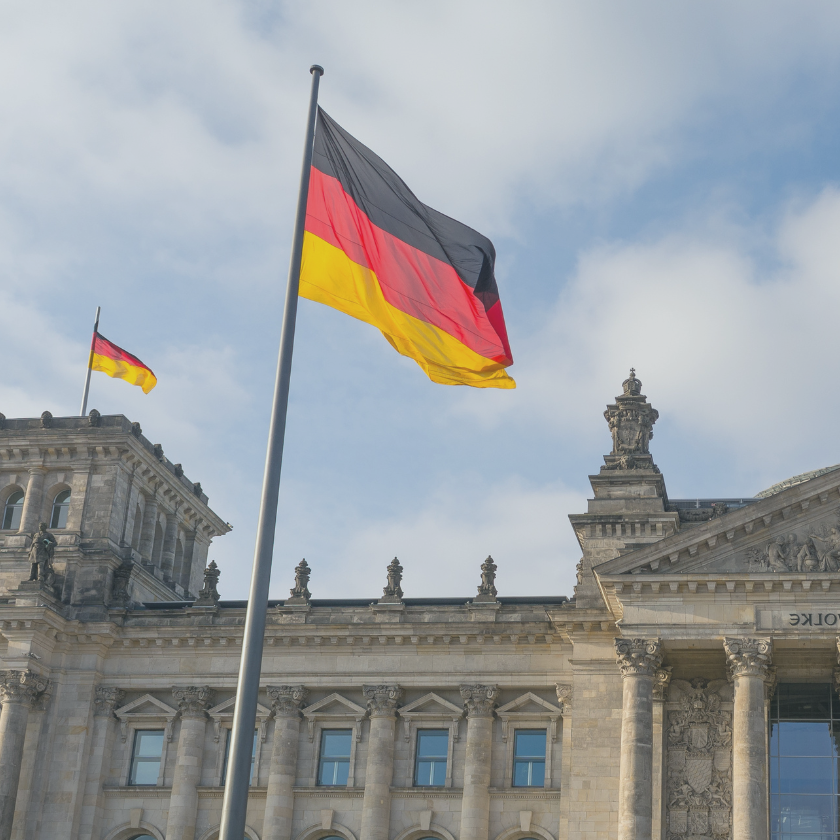
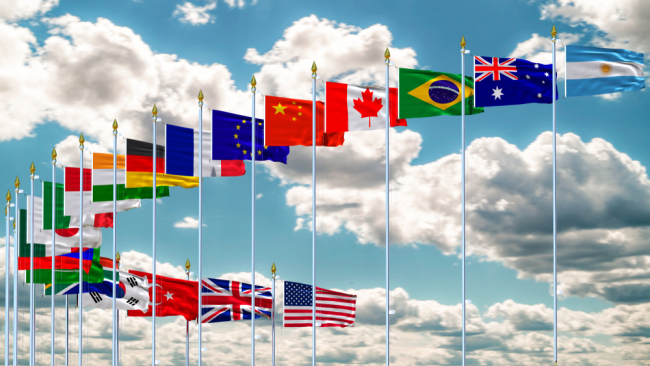
Sustaining Multilateralism in a Multipolar World. What France and Germany Can Do to Preserve the Multilateral Order
While international multilateralism is under strain, it is vital for France and Germany to defend it, since it is the most appropriate system for preserving their interests – particularly in terms of welfare, security, prosperity and environmental protection. Against this backdrop, three political fields offer opportunities for joint initiatives: trade, conventional arms control and climate change.
Where Is the SPD Going? The German Social Democrats and the Way out of Crisis
Whether we think of France, Greece, the Netherlands, Poland, Austria or Germany, the social democratic or socialist parties in Europe are losing ground or even facing dissolution. Ironically, the crisis of the Social Democratic Party of Germany (SPD) began with the resounding victory of Gerhard Schröder in 1998.
Migration and Cohesion in Europe: a Challenge, not a Contradiction
The eighth position paper of the Daniel Vernet Group addresses immigration, integration and cohesion in Europe where migration is often perceived as a threat to cohesion within societies and also among states. In the paper, the Daniel Vernet Group argues that migration and cohesion are not contradictory. However, Germany and France need to develop common approaches in order to encourage the finding of European answers to these challenges.
Désinfox: no, Europe is not under Germany's rule
Since the financial crisis of 2008, has the balance of power between France and Germany shifted in favor of Berlin? Does Angela Merkel alone decide on the conduct of the European Union? The answer obviously deserves to be nuanced.

European Elections: in Germany, traditional parties in the hot seat?
On May 26, the Germans will go to the polls to elect their MEPs. An important election for Germany, where political parties have been in the process of restructuring since the last federal election.
Brexit pressures expose cracks in Franco-German relationship
Angela Merkel insists that the EU should avoid “putting pressure” on Britain when it comes to Brexit. After a wearying, six-hour EU summit in Brussels, the German chancellor said it was important to give the British “more space” to “make their own choices”. [...]

Germany's Arms Export Ban Frustates European Partners
Germany's unilateral decision to halt all shipments of military equipment to Saudi Arabia has stopped 10's of billions of dollars worth of orders of joint European arms exports, bringing the question of deep arms export cooperation among European partners into high relief.
The Franco-German Tandem: Bridging the Gap on Nuclear Issues
The Franco-German couple has long been characterized by divergent trajectories on nuclear matters, and antagonist historical decisions still frame the current relationship.
The Treaty of Aachen. New Impetus for Franco-German Defense Cooperation?
On 22 January 2019, French President Emmanuel Macron and German Chancellor Angela Merkel sign the Treaty of Aachen on “Franco-German Cooperation and Integration.” The document is set to complement the original Elysée Treaty from 1963, signed by President Charles de Gaulle and Chancellor Konrad Adenauer.
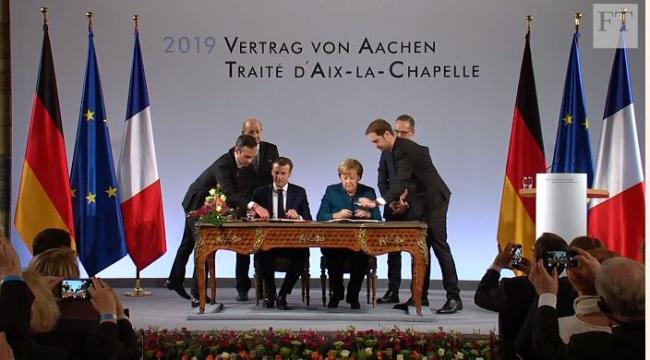
Merkel and Macron betray weakness with cautious Aachen treaty
When Angela Merkel and Emmanuel Macron sign a new Franco-German treaty in the historic city of Aachen on Tuesday, there will be much soaring rhetoric about the deepening ties between the two countries. To critics, though, the Treaty of Aachen is thin gruel. Anyone hoping for a new, tighter alliance between France and Germany, and for signs that the two countries might once again drive European integration, will be disappointed.

Macron Seeks a Dose of Charlemagne to Renew Merkel Partnership
When France and Germany sign a treaty on Tuesday in the historic border town of Aachen, it will be the culmination of 16 months of work by French President Emmanuel Macron to bring the anchors of Europe closer.

Digital Transformation of the Industry: The Franco-German Challenge
The issue of the digital transformation of the industry provoked in France as in Germany the return of the state and the introduction of a subsidiary industrial policy. Feeling threatened in its industrial leadership, Germany mobilized its resources through industry 4.0 by building a vision around the concept of “cyber-physical system” before developing in each Land an accompanying offer. France has forged the concept of the industry of the future by following a logic of modernization of the production tool, reinforcing particularly the automation and building on the integration of new technological bricks.

From Meseberg to Nowhere? A Franco-German Impetus for the Eurozone
This study analyses the joint efforts by France and Germany to bring about a comprehensive reform of the European currency union. These efforts culminated in the joint Meseberg Declaration adopted in June 2018. The article contextualises these efforts with respect to the reforms realised so far and the different reform options at hand. Besides questions of economic viability and institutional deficits, the article tackles issues of political feasibility.
The Wider Context: Germany's Baltic Engagement, the ‘Munich Consensus’ and the Future of European Security
A French View: Oil and Water
When the German president, foreign minister, and defense minister gave speeches at the 2014 Munich Security conference—speeches now recognized as watershed moments in Germany security policy—hope began to blossom in France. Would German defense and security policy finally become “normal?” Many viewed the now widely cited speeches as the beginning of a process in which the Germans would have overcome their “culture of restraint” and establish themselves as a full-fledged defense and security ally.
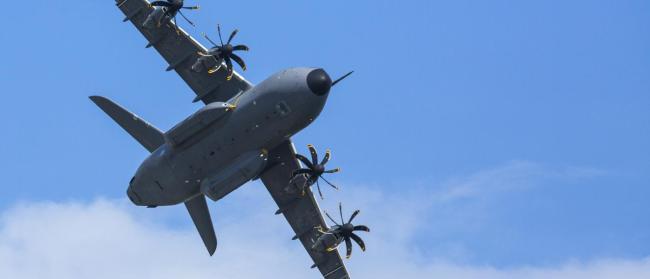
The Three Dimensions of Europe's Defense Debate
In light of transatlantic tensions and a deteriorated security environment, European security affairs are at the crossroads.

Preserving defence partnerships with US and UK is a key interest for France.
Nicolas Sarkozy used to promote himself as a transatlanticist or anglophile French president. Emmanuel Macron seems to have taken this approach a step further. Macron appears to have taken upon France and himself the responsibility of not allowing Britain and more importantly, the United States to drift too far away from Europe. Is he succeeding in this?

Washington Should Help Europe Achieve 'Strategic Autonomy', Not Fight It
In 2016, the European Union issued its Global Strategy, the Union’s latest foreign and security policy strategy document. The strategy “nurtures the ambition of strategic autonomy for the European Union”. American policymakers’ feelings about these aspirations are, to say the least, mixed. Several U.S. officials have expressed fear that a strategically autonomous Europe would be detrimental to the transatlantic alliance.
European Foreign Policy in 2027: Preparing for the Unexpected
What risks might the European Union be facing in 2027? Shaken by growing internal agitation as well as wider geopolitical developments, the European Union (EU) needs to redefine its role on the world scene while strengthening its core project. Integration has taken place on all levels and risks are therefore increasingly a concern to the Union as a whole.
Europe de la défense : les différences persistent entre Berlin et Paris
Ifri, a foundation recognized as being of public utility, relies largely on private donors – companies and individuals – to guarantee its sustainability and intellectual independence. Through their funding, donors help maintain the Institute's position among the world's leading think tanks. By benefiting from an internationally recognized network and expertise, donors refine their understanding of geopolitical risk and its consequences on global politics and the economy. In 2026, Ifri partners with over 90 French and international companies and organizations.
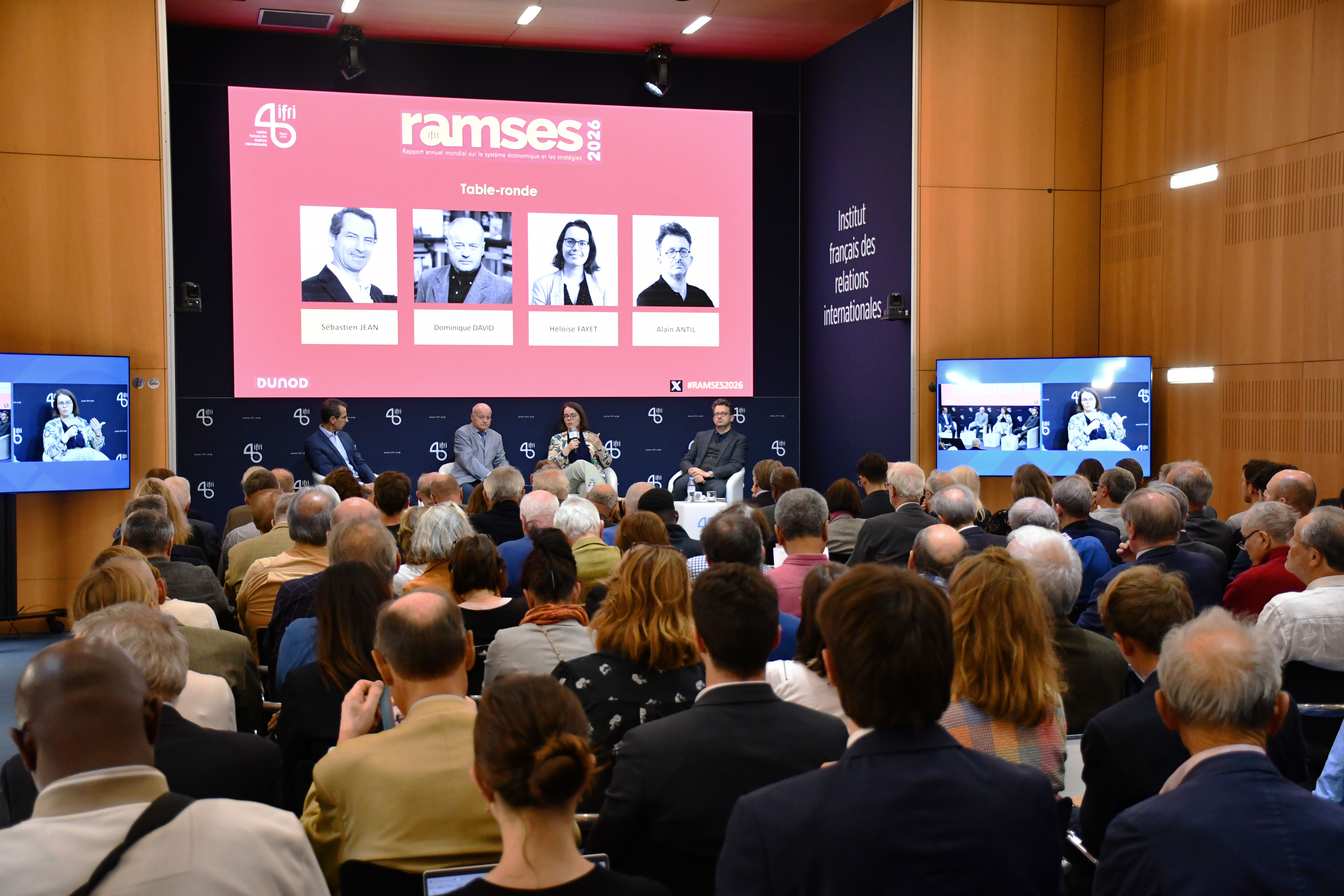
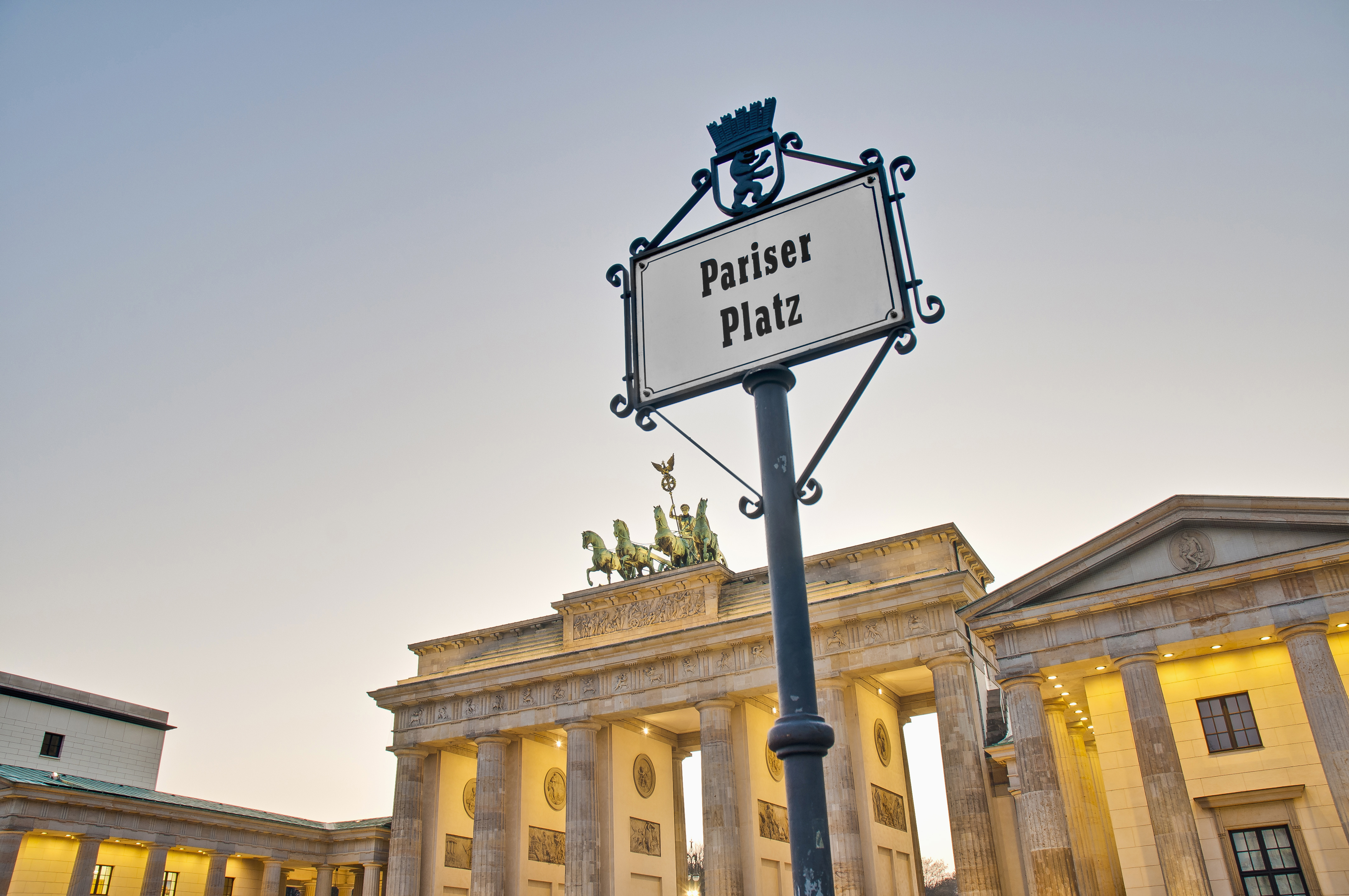
The Study Committee on Franco-German Relations (Cerfa) was created in 1954 by an inter-governmental agreement between the Federal Republic of Germany and France, in order to raise awareness of Germany in France and analyze Franco-German relations, including in their European and international dimensions. In its conferences and seminars, which bring together experts, political leaders, senior decision-makers and representatives of civil society from both countries, Cerfa develops the Franco-German debate and stimulates political proposals. It regularly publishes studies through two collections: Cerfa notes and studies as well as Franco-German visions.
Cerfa maintains close relations with the network of German foundations and think tanks. In addition to its research and debate activities, Cerfa promotes the emergence of a new Franco-German generation through original cooperation programs. This is how in 2021-2022, Cerfa led a program on multilateralism with the Konrad Adenauer Foundation in Paris. This program is aimed at young professionals from both countries interested in the issues of multilateralism in the context of their activities. It covered a wide range of themes relating to multilateralism, such as international trade, health, human rights and migration, non-proliferation and disarmament. Previously, Cerfa had participated in the Franco-German future dialogue, co-led with the DGAP from 2007 to 2020, and supported by the Robert Bosch Foundation and the Daniel Vernet group (formerly the Franco-German Reflection Group) which was founded in 2014 upon the initiative of the Genshagen Foundation.