





3461 publications
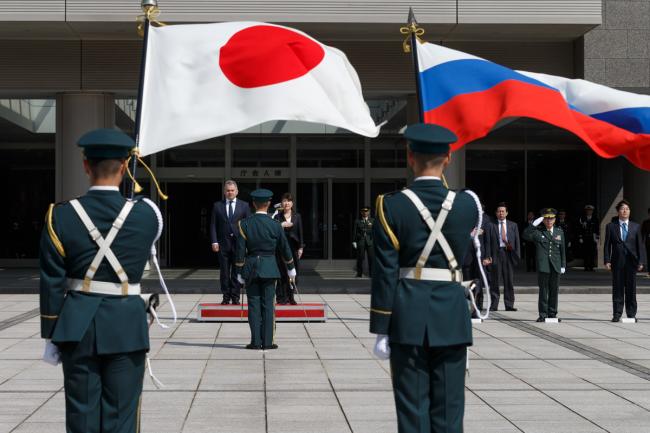
Japan-Russia: The end of delusions
The war in Ukraine has led to a major rift between Japan and Russia.
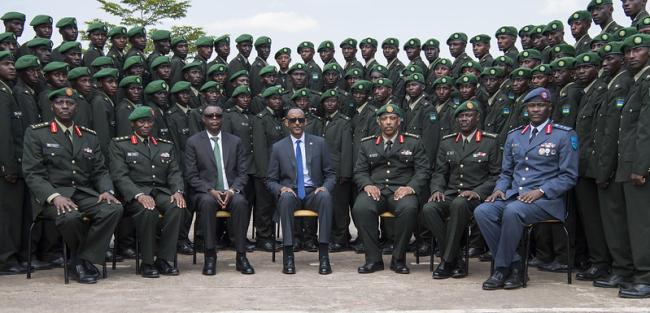
Rwanda’s Military Diplomacy. Kigali’s Political Use of the Military Means to Increase Prestige and Influence in Africa and Beyond
Although it is one of the smallest states on the African continent, Rwanda has adopted a proactive foreign policy. Kigali has deployed troops within the framework of multilateral peacekeeping missions to increase its prestige and influence. Since last year, changes have arisen: Rwanda has extended its activities outside of multilateral operations, intervening unilaterally in the Central African Republic (CAR) and then in Mozambique. Rwanda desires to foster its reputation as a regional and continental “security provider”.

Towards a War of Norms ? From Lawfare to Legal Operations
Defined as the use of law to establish, perpetuate, or change power relations in order to counter an adversary, lawfare practices reflect a reality that is inherent in international law.
The French Strategy of the Saarland. A German Federal State on the Way to a Living European Multilingualism
With the France Strategy, Saarland set out in 2014 to become an efficient multilingual German-French region within a generation.
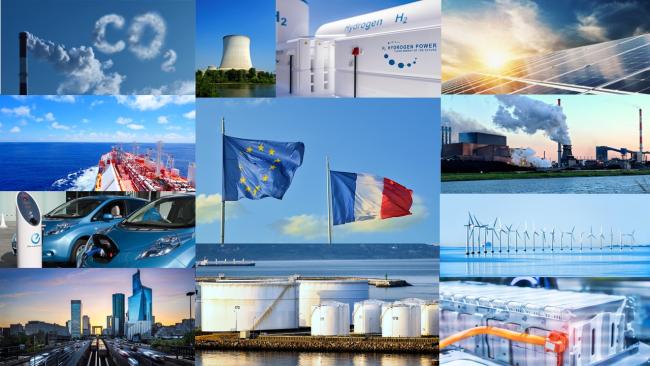
Accelerating the energy transition in France: drawing inspiration from best practice in our European neighbours
The success of energy transition is first and foremost a question of good governance, which must be based on expertise and collective deliberation.
Europe’s Quest for Technological Power
Computing power plays a key role in enabling data analytics and machine learning, in cybersecurity, for scientific research, and in military domains like nuclear warhead design and detonation simulation.

Climate: Which Way Forward?
Thirty years after Rio, the case file “Climate: Which way forward?” assesses current climate commitments, which are undoubtedly less impressive and less certain than the political pronouncements and media fanfare make them seem. A number of fundamental problems remain.
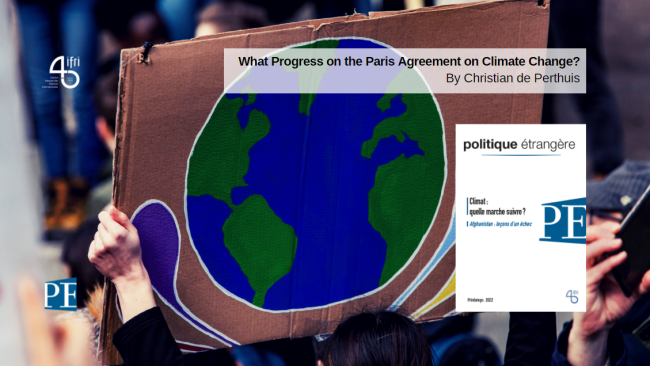
What Progress on the Paris Agreement on Climate Change?
At COP26, a long-term target to keep global warming below 1.5°C was set. This goal is inconsistent with the commitments that the signatory countries have made in terms of reducing their greenhouse gas emissions by 2030.