





3463 publications

Building Bridges over the Blue Pacific. Beyond Marine Protected Areas – A Europe-Oceania Cooperation
The “new scramble for the Pacific” is characterized by a race for the control of maritime space and resources, oscillating between ocean grabbing and ocean commoning.
New government in Canberra: A reset for Australia’s Indo-Pacific approach?
Following the May Federal election, Australia has its first centre-left government in close to a decade, led by Prime Minister Anthony Albanese.
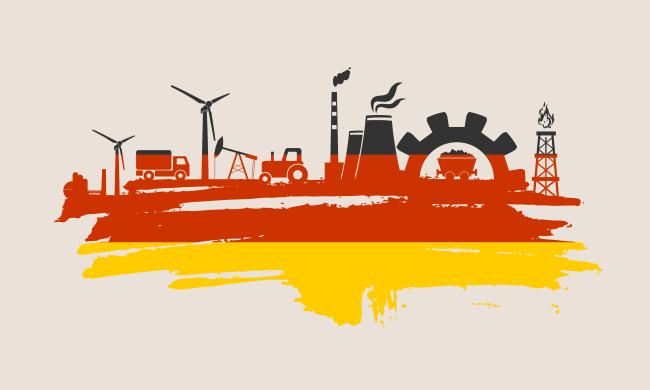
The German Industrial Power in Danger: The Double Shock of Energy Transition and Geopolitical Risk
The German manufacturing industry at the heart of the German economic activity has been confronted in the past years with conjunctural shocks, which question its existence on the German territory: the energy transition which hinders it in the short term to resort to fossile energy from Germany and nuclear energy; a questioning of fossile energy imports from Russia which keeps production sites of fossile energy and nuclear energy in Germany; the currently small capacity of renewable energy to satisfy the important energy needs of the manufacturing industry and the putting into place of alternatives to the importation of energy resources.
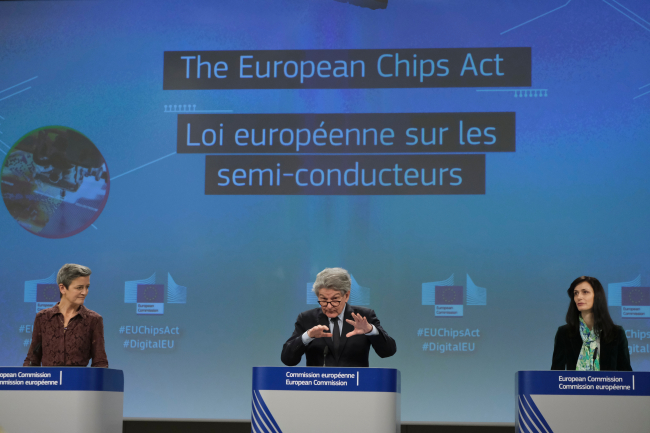
Fishing for Chips: Assessing the EU Chips Act
China, the United States, and the European Union (EU) are currently developing strategies for semiconductors aimed at financing R&D and the installation of new factories on their territories, in particular through subsidies. The EU Chips Act, announced in February 2022, represents a real break in Europe's industrial policy.
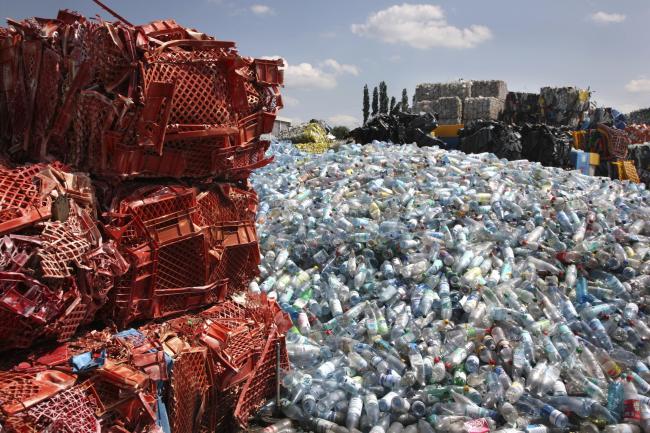
Five Years after China’s Plastic Import Ban: Have Europeans Taken Responsibility?
After the 2017 Chinese waste import ban, the international and European Union (EU) legislative framework on waste exports has been revised.

Support and conflict: transatlantic agricultural trade since 1945
Agriculture is an area of strategic importance, where relations between the United States and the European Union (EU) vary from solidarity to competition.
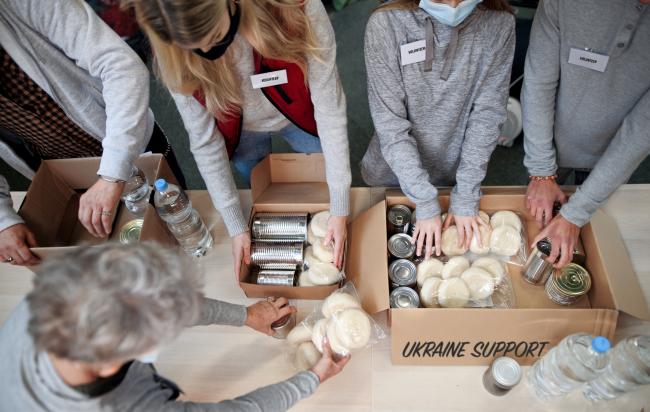
Quelle stratégie pour l’aide civile en Ukraine ?
Ukrainian institutions have overall withstood the shock of the war: the central government and local authorities benefit from a real legitimacy and a solid ability to govern.
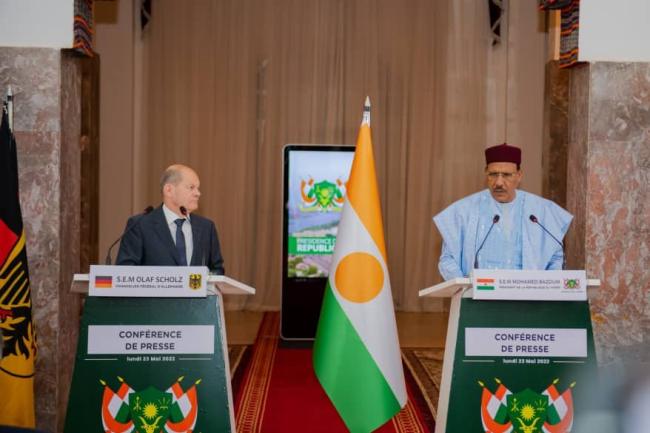
After Mali, what Commitment from Germany in the Sahel?
Germany, despite the reluctance of its public opinion, is committed to supporting security in the Sahel, notably through its participation in the European Union Training Mission in Mali (EUTM) and recently in Niger, and in the United Nations Multidimensional Integrated Stabilization Mission in Mali (MINUSMA).