



3459 publications
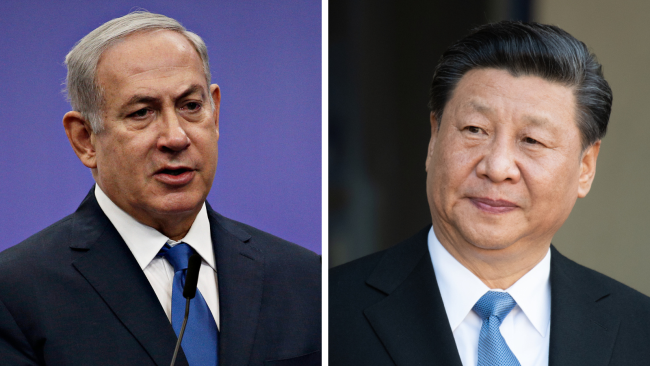
Israel and China, a Test of Loyalty for the United States?
Like the Gulf monarchies, Israel has strengthened its economic cooperation with China since Xi Jinping came to power in 2013, leading to an influx of Chinese capital, whether in Tel Aviv's high-tech sector or in Israel's port infrastructure.
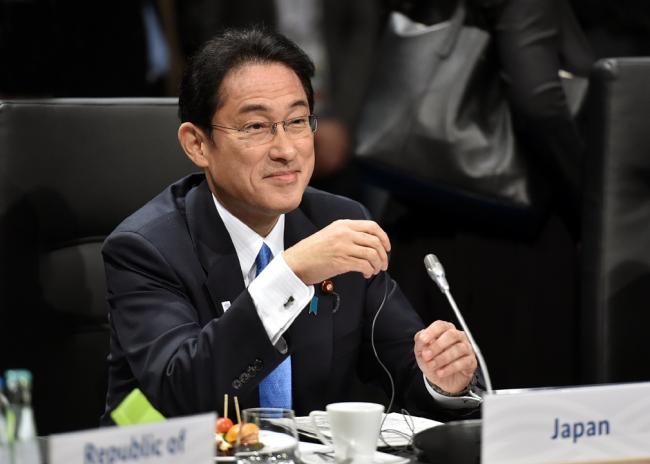
Mitigating Geopolitical Risk – Japan as a Stabilizer in Asia
In the current tumultuous geopolitical setting, Tokyo may have a very specific, stabilizing role to play.
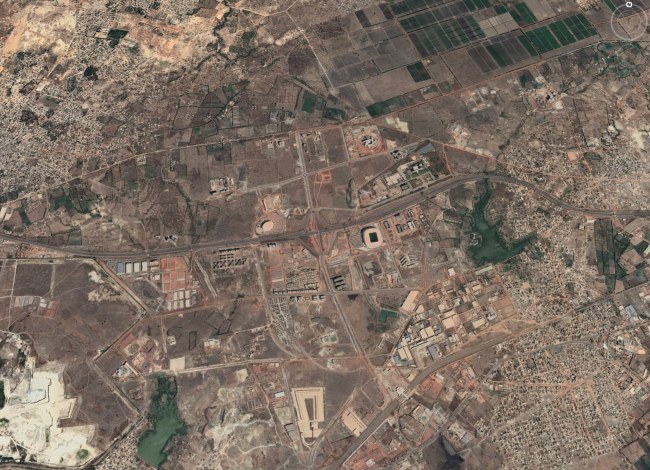
The Politics of New Cities: Diversification of Actors and Recentralization of State Power in the Case of Diamniadio
The construction of new cities on the African continent is in vogue. From multifunctional urban hubs to eco-districts, the images that accompany the announcement of these projects promote an African urban future based on modernity and technology.

Higher Renewable Energy Targets in Germany: How Will the Industry Benefit?
“Deutschland – Einstieg in die Deindustrialisierung?” – “Germany, the beginning of deindustrialisation?” asked the German economic newspaper Handelsblatt in the context of the spike in energy prices that has put at risk thousands of companies across Germany in 2022. Whereas some sectors such as steel, glass and chemicals have been seriously hit, the manufacturing industries operating in the areas linked to the energy transition (such as renewable energies and hydrogen production) should benefit from decisions taken to reach climate neutrality.

Naval Combat Redux: A Renewed Challenge for Western Navies
Our world is becoming increasingly contested and unpredictable and we are trending towards a return of great power strategic competition, characterized by more frequent challenges to the established rules-based international order. As a consequence, the risk of interstate conflict continues to rise. This regressive evolution is most readily apparent in the maritime domain, where the concomitant impacts on the free flow of international trade and the control of illegal and unregulated fishing are interlaced with the prescient, yet growing challenge of environmental security.
Attention to the Periphery? Germany and the Pacific Island States
In September 2020, Germany adopted policy guidelines for the Indo-Pacific that comprehensively set out its approach towards this increasingly important region, seeking to diversify partnerships beyond China.
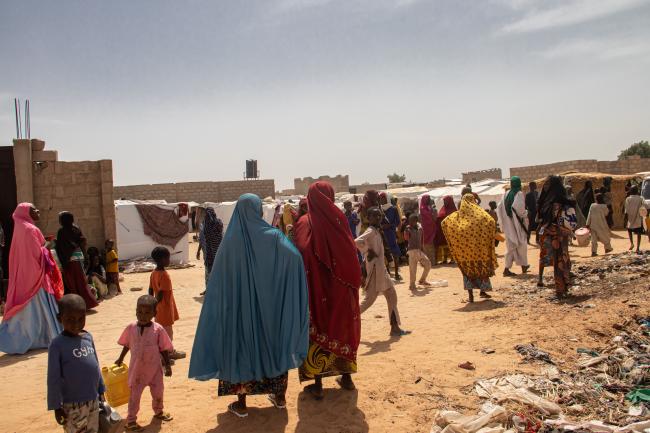
Self-defense Groups, the Pyromaniac Firefighters of Sahel
Since 2012, the proliferation of jihadist groups across the Sahel has monopolized the attention of the authorities.forced by the threats they represent and the weakening of their regal power, states are gradually withdrawing from their peripheral rural territories. As a result, populations have organized themselves to become local security providers.
Software Power: The Economic and Geopolitical Implications of Open Source Software
Open source is at the heart of the Internet infrastructure, of the software used by individuals or governments, and of the innovation processes of tech companies. Faced with threats to the security and sustainability of the open source model, governments are getting a hold of the topic, which is becoming increasingly geopolitical.