


La compétition stratégique en Afrique : approches militaires américaine, chinoise et russe
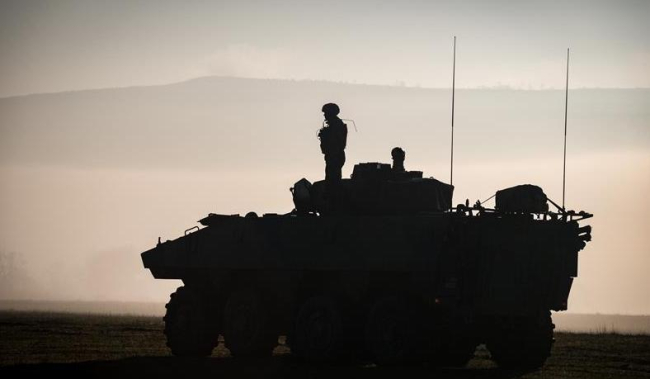
While it was left behind from power politics for the last decades, Africa is at the core of a renewed attention from global powers.
Africa was a crucial geopolitical stake during the Cold War, and is once again emerging as a significant area of strategic competition. Thereby, it attracts major non-European powers such as the United States, China, and Russia. Each of them seek to secure their access to the African theater of operations, through the means of funding and diplomatic agreements, construction of logistical bases, and the sustained exercise of their soft powers. They also conduct military operations on African soil. As the United States are still primarily engaged in Africa for counter-terrorism purposes, their actions on the ground are significant and coercive. As for China, its main efforts seem to be directed towards peacekeeping operations and plans for the evacuation of its nationals in the event of a crisis. For its part, Russia still restricts its operations to advisory activities. Finally, the three states are actively engaged in military cooperation, not only through arms sales, but also through joint training and exercises with their African partners. While the United States is still the dominant player in the African game, China and Russia are now catching up and increasing their involvement.
This content is available in French : « La compétition stratégique en Afrique. Approches militaires américaine, chinoise et russe ».



Security Studies Center
Heir to a tradition dating back to the founding of Ifri, the Security Studies Center provides public and private decision-makers as well as the general public with the keys to understanding power relations and contemporary modes of conflict as well as those to come. Through its positioning at the juncture of politics and operations, the credibility of its civil-military team and the wide distribution of its publications in French and English, the Center for Security Studies constitutes in the French landscape of think tanks a unique center of research and influence on the national and international defense debate.

Framework Nation: A European Challenge and French Ambition
First appearing in the early 2000s, the framework nation concept follows several distinct rationales, whether it refers to a country assuming the leadership of a military operation, directing a multinational capability project, or commanding a permanent force structure. In every case, the country that takes on this role fully intends to derive from it additional politico-military influence.

The Nuanced Relationship Between Public Opinion and Foreign Policy
Public sentiment is something decision-makers must contend with, especially in democratic states. However, the extent to which public opinion shapes foreign policy varies. Three Council of Councils experts in France, India, and Nigeria reflect on how public opinion does—and sometimes does not—affect foreign policy decisions.

Taking the Pulse: Enough with the Annual NATO Summits, Already?
Over the past ten years, NATO has held almost as many summits as it did during the entirety of the Cold War. Are they still useful, or is it time to stop holding annual meetings?

How does France’s nuclear deterrent contribute to the defense of Europe?
France’s nuclear deterrent, serving first and foremost to defend France’s vital interests, also contributes to the defense of Europe. This contribution has been recognized within the North Atlantic Alliance since 1974, but remains little known. In a speech closely followed by France’s European partners and its adversaries alike, President Emmanuel Macron announced a new concept for French nuclear deterrence: “forward deterrence” (dissuasion avancée). This article aims to explain the origins of this concept, outline its main pillars, and describe the partnerships that are sought. It then discusses the relationship with the U.S. doctrine of “extended deterrence”, and finally offers some ethical considerations.