



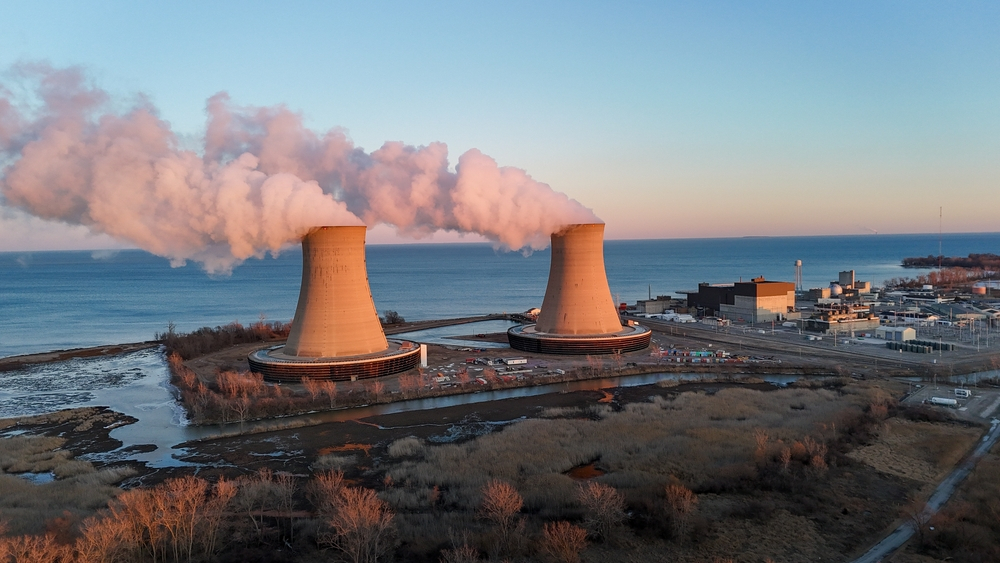
La relance du nucléaire occidental aura-t-elle lieu ?
Dans le double contexte de la transition énergétique et de la transformation rapide de l’ordre international, la question du renouveau nucléaire dans le monde occidental se pose avec une acuité renouvelée.
Titre bloc à la une
À la une
Voir toutes nos analyses

Les think tanks américains sous Trump 2. Le "blob" en péril ?
Principalement voués aux questions de politique étrangère, les think tanks de Washington jouent un rôle clé de réflexion et d’expertise au service du gouvernement fédéral, auquel ils fournissent par ailleurs des cadres d’élite à l’occasion des alternances politiques. Le trumpisme vient aujourd’hui en bousculer les codes et le fonctionnement.
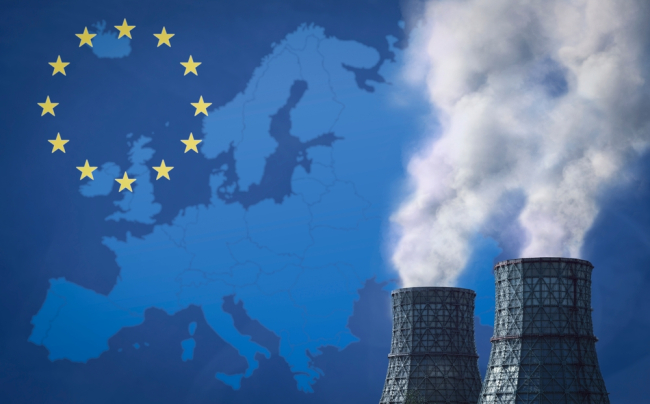
Renouer avec l’ADN nucléaire de l’Europe : une question politique
L’énergie nucléaire, principale source d’électricité bas carbone en Europe, constitue un atout stratégique pour répondre aux enjeux climatiques et géopolitiques.
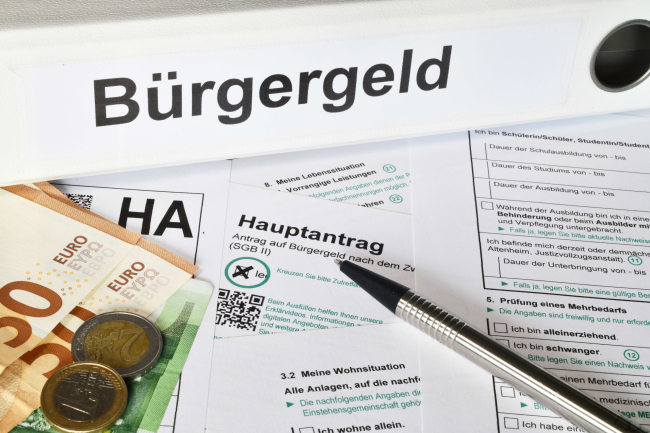
Les politiques sociales en Allemagne. Bilan de la coalition “feu tricolore” et perspectives du nouveau gouvernement
Notes du Cerfa, n° 188, Ifri, juillet 2025 — La défaite de la coalition gouvernementale « feu tricolore » aux élections législatives anticipées de février 2025 invite à dresser un premier bilan, nécessairement sélectif, des politiques sociales menées durant son mandat.

Repenser la fonction « Protection – Résilience ». Un nécessaire changement de paradigme face à un environnement qui se durcit
La France comme les autres pays européens est confrontée de manière directe, tout particulièrement depuis le début de la guerre en Ukraine, à une stratégie hybride de déstabilisation mise en œuvre par la Russie. Cette stratégie se matérialise dans l’ensemble des champs et des milieux possibles d’affrontement et a pour objectif, outre de saper le soutien occidental à l’Ukraine, d’affaiblir les pays européens avec lesquels la Russie se perçoit dans une confrontation systémique de long terme.

La relation turco-hongroise : opportunisme de circonstance ou amitié qui prend tout son sens ?
Si la Turquie et la Hongrie occupent des positions contrastées au sein de l’architecture européenne - candidate de longue date pour l’une, membre récalcitrant pour l’autre -, leurs politiques étrangères révèlent des convergences frappantes, tant dans leur posture souverainiste que dans leurs orientations de politique étrangère.

Réformer les commandements de l’OTAN. Entre européanisation, émergence de nouveaux leaders et rôle des États-Unis
Au moment où le Sommet de l'OTAN se tient à La Haye du 24 juin au 25 juin 2025, la réélection de Donald Trump à la présidence américaine interroge profondément la nature du lien transatlantique. Si les garanties de sécurité de l’Organisation du traité de l’Atlantique nord (OTAN), article 5 et dissuasion nucléaire notamment, ne sont pour l’instant pas officiellement remises en cause ou amoindries, des projets de la nouvelle administration portent sur le désengagement de fonctions au sein de l’Alliance, en particulier le poste de SACEUR (Supreme Allied Commander Europe).
Dans les médias

La France et le Royaume-Uni prêts à « coordonner » leurs dissuasions nucléaires pour protéger l’Europe
A l’occasion de la visite d’Etat à Londres d’Emmanuel Macron, le président français et le premier ministre britannique, Keir Starmer, entérineront, jeudi, cette évolution majeure de leur doctrine. Un « groupe de supervision nucléaire », coprésidé par les deux dirigeants, va être créé.

Nétanyahou et Trump : deux visions du Moyen-Orient
Alors qu'Israël étend son offensive à Gaza, Donald Trump, doit recevoir Benyamin Nétanyahou à la Maison Blanche, lundi 7 juillet. Objectif : finaliser les termes d'un cessez-le-feu de deux mois dans la bande de Gaza et exhorter le Hamas à l'accepter.

Titre mis en avant
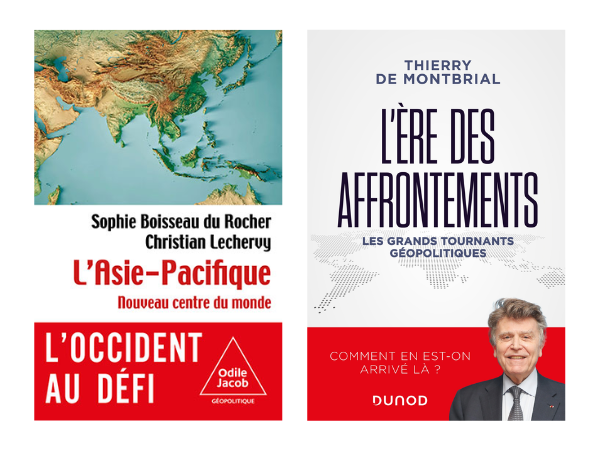
Thierry de Montbrial, Sophie Boisseau du Rocher et Christian Lechervy, lauréats 2025 du Prix du livre de géopolitique
Le prix du livre de géopolitique 2025 a été décerné le 2 juillet à Sophie Boisseau du Rocher et Christian Lechervy (conseiller au Centre Asie de l'Ifri) pour leur ouvrage L’Asie-Pacifique, nouveau centre du monde, paru chez Odile Jacob.
Un prix spécial a été attribué à Thierry de Montbrial, président-fondateur de l’Ifri (Institut français des relations internationales) pour son dernier opus, L’Ère des affrontements (Dunod), et l’ensemble de son œuvre.
Titre
En ce moment
Titre
À regarder et écouter
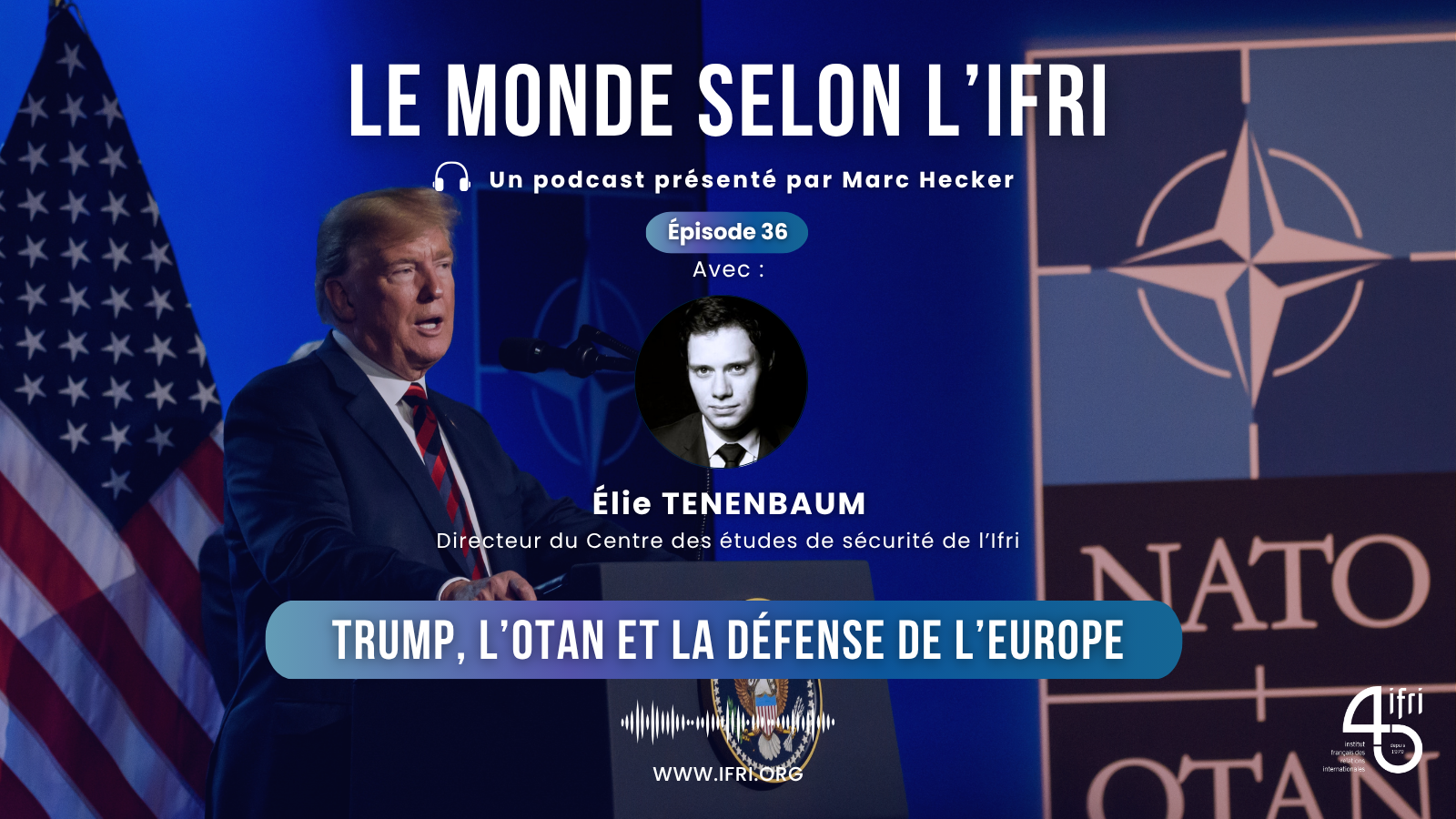
Trump, l'OTAN et la défense de l'Europe
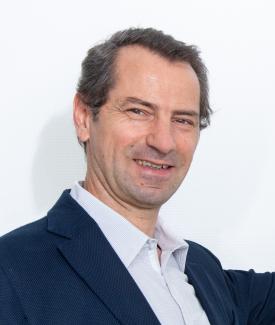
Dans ce nouvel épisode du podcast "Le Monde selon l'Ifri", Marc Hecker, directeur exécutif de l'Ifri, s'entretient avec Élie Tenenbaum, directeur du Centre des études de sécurité de l'Ifri.

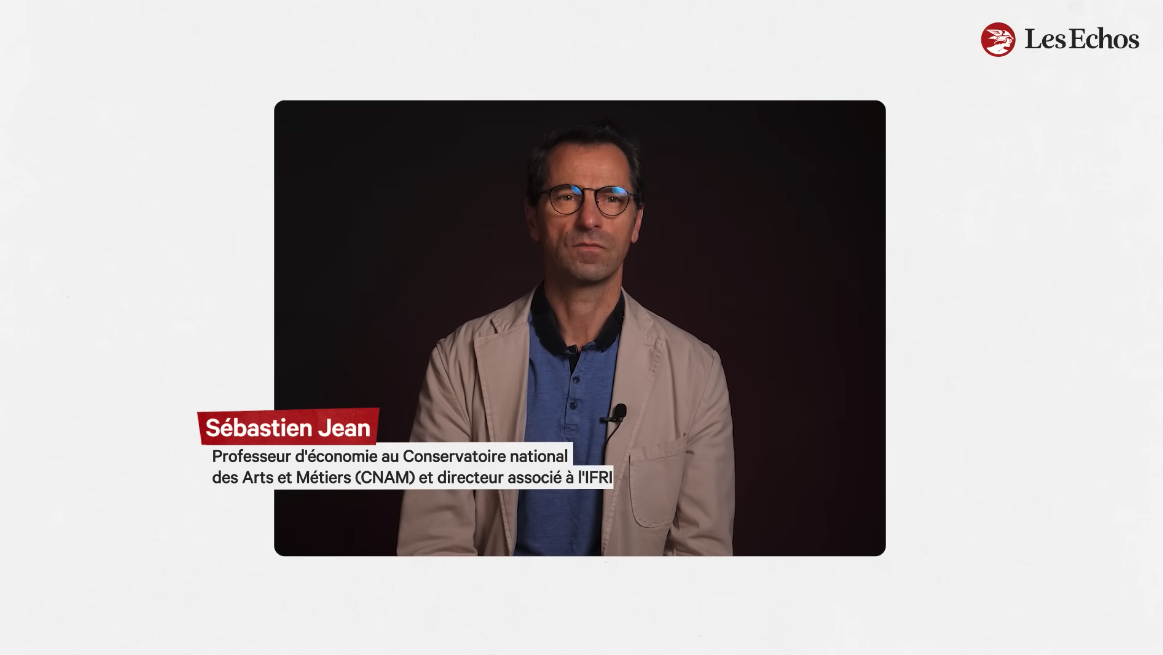
Comment les fonds souverains redessinent l'économie mondiale
On estime que les fonds souverains gèrent environ 13.000 milliards de dollars d'actifs dans le monde. En vingt-cinq ans, ce nombre a explosé. Ils contrôlaient moins de 1.000 milliards de dollars d'actifs en 2000. Alors, quels impacts ont ces fonds sur l'économie mondiale ? Réponse en vidéo.

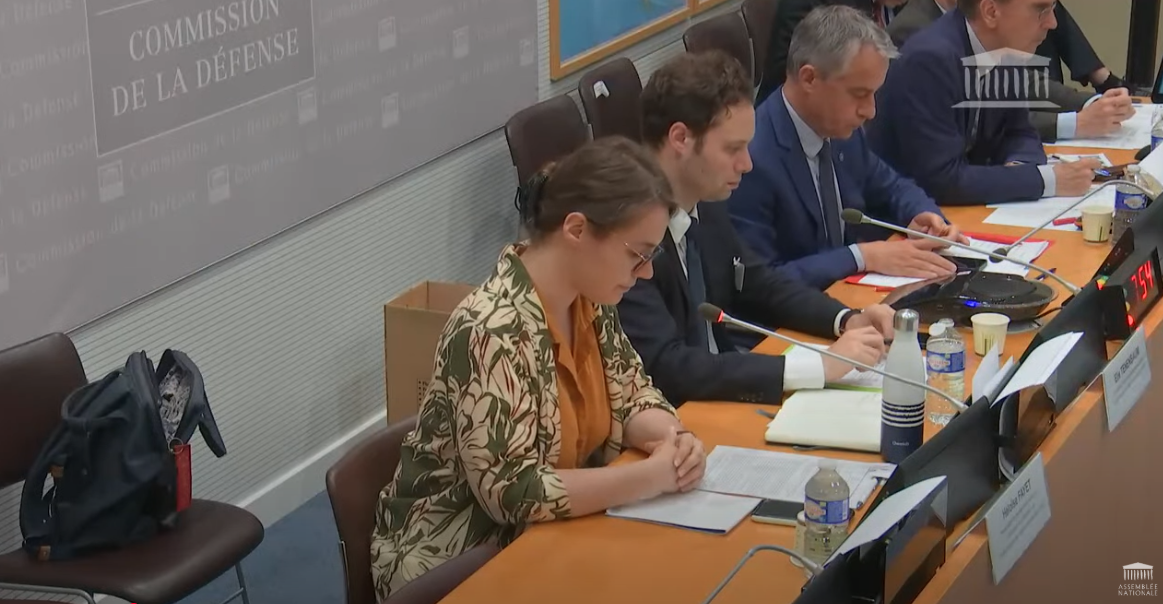
Guerre des douze jours Israël-Iran : les premiers enseignements stratégiques
Audition d'Élie Tenenbaum, directeur du Centre des études de sécurité de l’Ifri, et d'Héloïse Fayet, responsable du programm

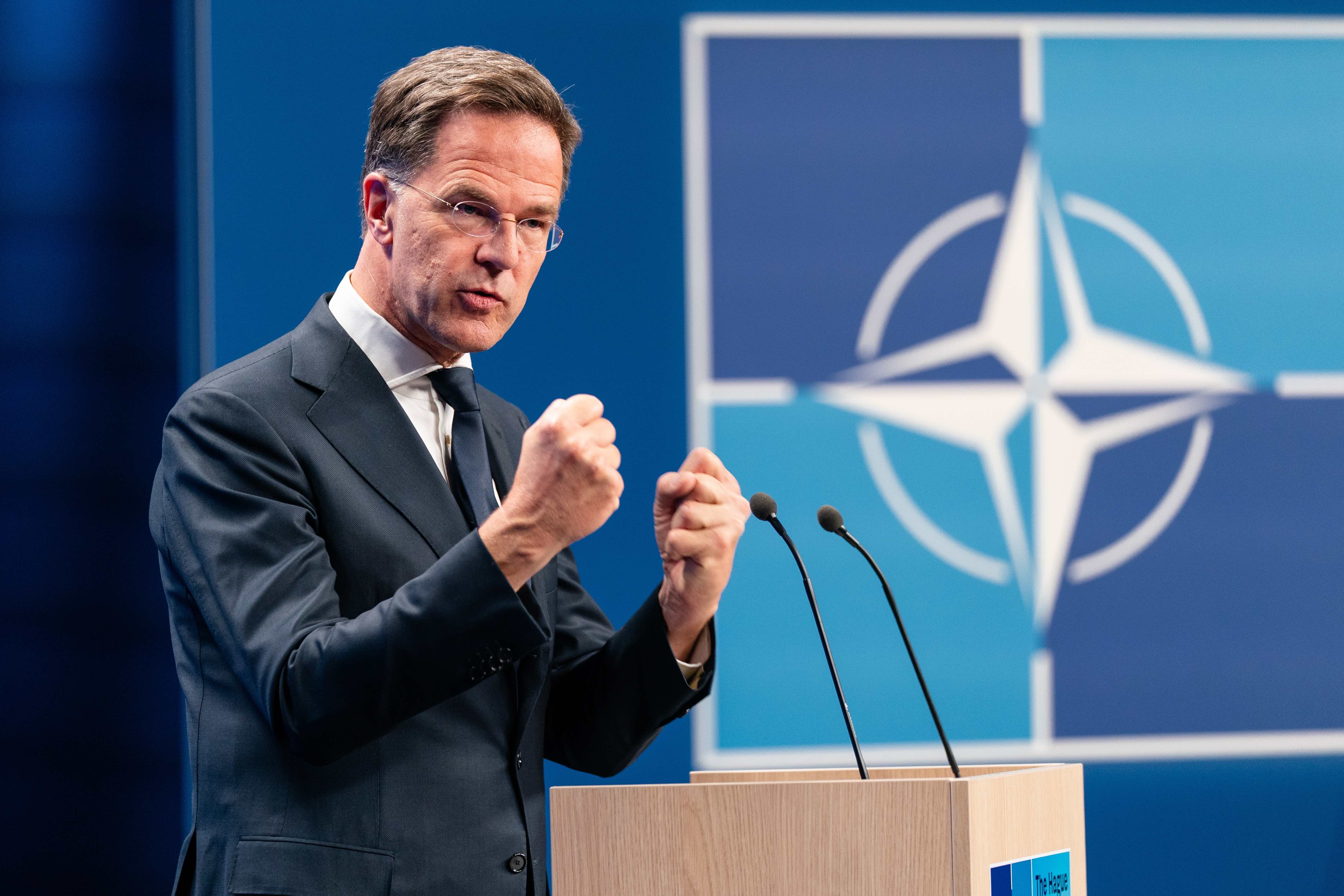
Qui a le plus à gagner ou à perdre avec l'OTAN ?
Les années passent et ne se ressemblent pas forcément, pour l’OTAN.

Titre mis en avant
Écoutez le podcast « Le monde selon l'Ifri » !
Présenté par Marc Hecker, directeur exécutif de l'Ifri, ce podcast livre des clés de compréhension des enjeux géopolitiques d'aujourd'hui. 2 épisodes sortent chaque mois.
Comprendre le monde d'aujourd'hui pour mieux préparer demain

Depuis plus de 45 ans, l’Ifri place les relations internationales au centre des discussions au profit de l’intérêt général.
Soutenez une recherche française indépendante
L'Ifri, fondation reconnue d'utilité publique, s'appuie en grande partie sur des donateurs privés – entreprises et particuliers – pour garantir sa pérennité et son indépendance intellectuelle. Par leur financement, les donateurs contribuent à maintenir la position de l’Institut parmi les principaux think tanks mondiaux. En bénéficiant d’un réseau et d’un savoir-faire reconnus à l’international, les donateurs affinent leur compréhension du risque géopolitique et ses conséquences sur la politique et l’économie mondiales. En 2024, l’Ifri accompagne plus de 70 entreprises et organisations françaises et étrangères.
Titre container
Deux publications phares
Titre en savoir plus
Ramses 2025
"Entre puissances et impuissance"
Ramses 2025
"Entre puissances et impuissance"
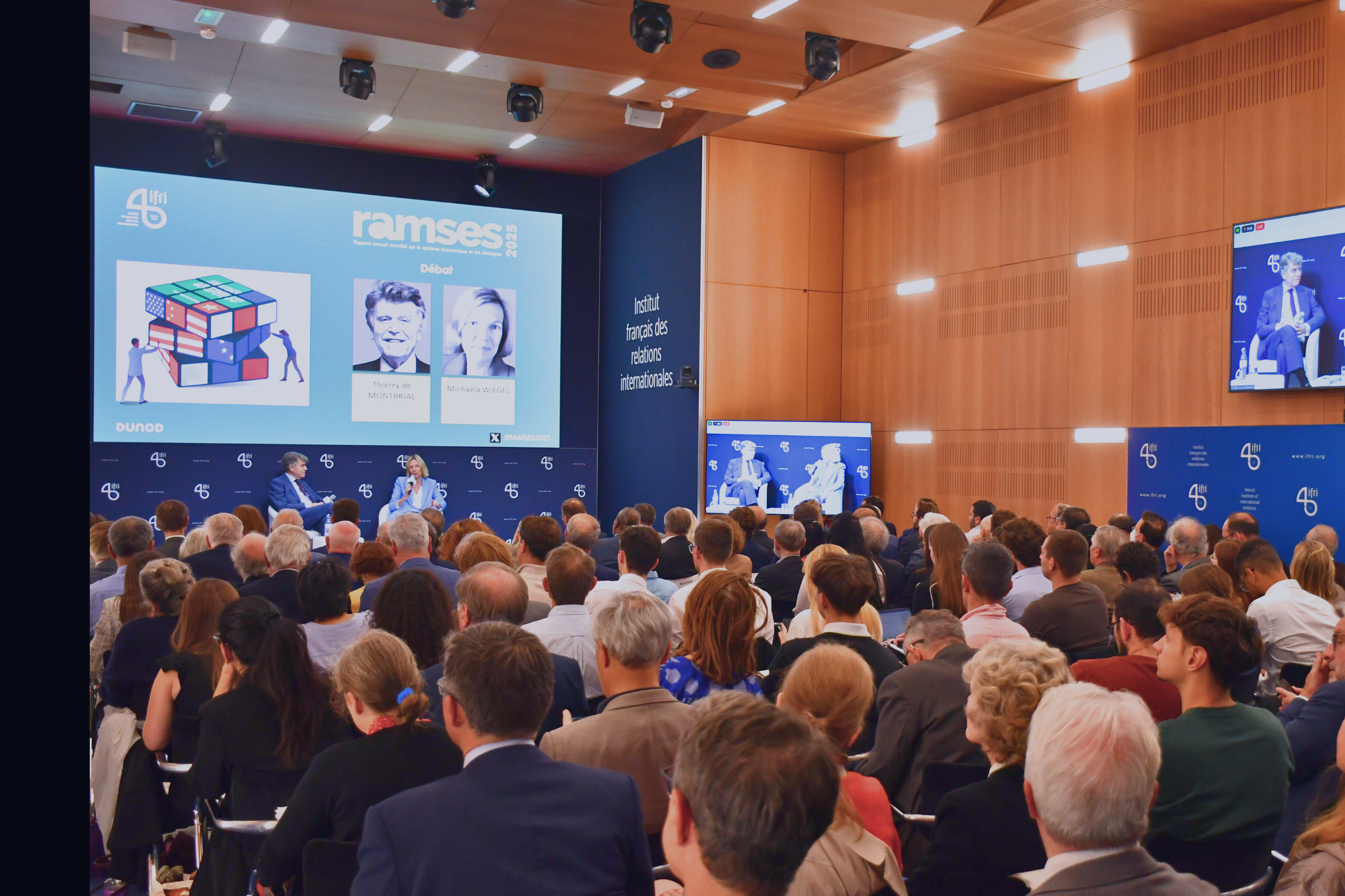
Chaque année, le Ramses donne les clés et repères indispensables pour décrypter les évolutions du monde. Ramses 2025, Paris, Ifri/Dunod, 384 pages, septembre 2024

Titre en savoir plus
Politique étrangère
Politique étrangère
La revue de débats et d’analyses sur les grandes questions internationales.
